
About This Book
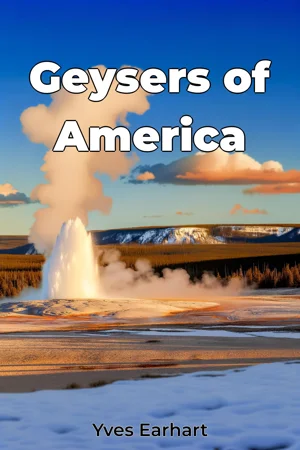
Have you ever wondered what lies beneath the surface of the Earth, powering the spectacular eruptions of geysers? "Geysers of America" delves into the fascinating world of these geothermal wonders, primarily focusing on those within the United States. This book explores not only the iconic geysers, such as Old Faithful in Yellowstone National Park, but also the underlying geological processes that create them. Understanding geysers provides a window into Earth’s internal heat engine and the complex interplay of water, rock, and pressure. The relevance of this topic extends beyond pure scientific curiosity; geothermal energy, closely linked to geyser systems, is an increasingly important renewable resource. The book offers a comprehensive examination of geothermal activity, encompassing its scientific background, ecological significance, and potential for sustainable energy production. We will journey through the geological history of geyser formation, the chemical composition of their waters, and the unique ecosystems that thrive in these extreme environments. No prior, advanced knowledge is required to comprehend the text; all necessary scientific concepts are explained in a clear and accessible manner. Our central argument is that geysers, beyond their scenic beauty, are vital indicators of Earth's dynamic processes and offer valuable insights into harnessing geothermal energy. This argument is crucial because understanding these systems is essential for responsible resource management and mitigating the environmental impact of geothermal development. The book begins by introducing the basic principles of geothermal activity and geyser formation. It then progresses through several key sections: a detailed exploration of the geology and hydrology of major American geyser fields, including Yellowstone, California's Geysers region, and other significant sites. We will then delve into the chemical composition of geyser waters, analyzing the various minerals and gases they contain and their implications for understanding subsurface processes. The central portion of the book will explain the ecosystems that have adapted to geyser environments, discussing extremophile organisms and the delicate balance of these unique habitats. Finally, the book culminates with a discussion of the potential for sustainable geothermal energy production in the United States, examining the challenges and opportunities associated with harnessing this renewable resource. Throughout the book, claims and arguments will be supported by evidence gathered from geological surveys, geochemical analyses, and ecological studies. We will draw on data from government agencies like the U.S. Geological Survey, academic research institutions, and field observations. The study of geysers inherently connects to several other fields. Geology, hydrology, and chemistry are vital in understanding their formation and behavior. Biology plays a role in examining the microbial life that thrives in these extreme environments. Engineering also becomes relevant when discussing harnessing geothermal energy. This interdisciplinary approach allows for a more comprehensive and nuanced understanding. "Geysers of America" offers a distinct perspective by integrating a scientific approach with a focus on the ecological and energy implications of geothermal systems. It provides a balanced exploration of these natural wonders. The book adopts a tone that is both informative and engaging, making complex scientific concepts accessible to a broad audience. The writing style is designed to be clear, concise, and free of jargon, while maintaining scientific accuracy. The target audience includes students of earth sciences, environmental scientists, nature enthusiasts, and anyone interested in learning more about the geological wonders of the United States. It serves as a valuable resource for anyone seeking a deeper understanding of geothermal activity and its implications. As a work of non-fiction Earth Sciences Geography and Nature, this book aims to provide accurate, well-researched information presented in a clear, organized manner. The book’s scope is limited to geysers within the United States, focusing on the most significant and well-studied examples. While mentioning global examples for comparison, the primary focus remains on American geysers. Understanding geysers has numerous real-world applications. It can aid in predicting volcanic eruptions, guiding geothermal energy exploration, and informing land management decisions in geyser regions. While the fundamental science of geyser formation is well-established, ongoing debates exist regarding the precise mechanisms that trigger eruptions and the long-term sustainability of geothermal energy extraction, and these will be touched upon. "Geysers of America" aims to provide a thorough and accessible exploration of these fascinating natural phenomena.
Have you ever wondered what lies beneath the surface of the Earth, powering the spectacular eruptions of geysers? "Geysers of America" delves into the fascinating world of these geothermal wonders, primarily focusing on those within the United States. This book explores not only the iconic geysers, such as Old Faithful in Yellowstone National Park, but also the underlying geological processes that create them. Understanding geysers provides a window into Earth’s internal heat engine and the complex interplay of water, rock, and pressure. The relevance of this topic extends beyond pure scientific curiosity; geothermal energy, closely linked to geyser systems, is an increasingly important renewable resource. The book offers a comprehensive examination of geothermal activity, encompassing its scientific background, ecological significance, and potential for sustainable energy production. We will journey through the geological history of geyser formation, the chemical composition of their waters, and the unique ecosystems that thrive in these extreme environments. No prior, advanced knowledge is required to comprehend the text; all necessary scientific concepts are explained in a clear and accessible manner. Our central argument is that geysers, beyond their scenic beauty, are vital indicators of Earth's dynamic processes and offer valuable insights into harnessing geothermal energy. This argument is crucial because understanding these systems is essential for responsible resource management and mitigating the environmental impact of geothermal development. The book begins by introducing the basic principles of geothermal activity and geyser formation. It then progresses through several key sections: a detailed exploration of the geology and hydrology of major American geyser fields, including Yellowstone, California's Geysers region, and other significant sites. We will then delve into the chemical composition of geyser waters, analyzing the various minerals and gases they contain and their implications for understanding subsurface processes. The central portion of the book will explain the ecosystems that have adapted to geyser environments, discussing extremophile organisms and the delicate balance of these unique habitats. Finally, the book culminates with a discussion of the potential for sustainable geothermal energy production in the United States, examining the challenges and opportunities associated with harnessing this renewable resource. Throughout the book, claims and arguments will be supported by evidence gathered from geological surveys, geochemical analyses, and ecological studies. We will draw on data from government agencies like the U.S. Geological Survey, academic research institutions, and field observations. The study of geysers inherently connects to several other fields. Geology, hydrology, and chemistry are vital in understanding their formation and behavior. Biology plays a role in examining the microbial life that thrives in these extreme environments. Engineering also becomes relevant when discussing harnessing geothermal energy. This interdisciplinary approach allows for a more comprehensive and nuanced understanding. "Geysers of America" offers a distinct perspective by integrating a scientific approach with a focus on the ecological and energy implications of geothermal systems. It provides a balanced exploration of these natural wonders. The book adopts a tone that is both informative and engaging, making complex scientific concepts accessible to a broad audience. The writing style is designed to be clear, concise, and free of jargon, while maintaining scientific accuracy. The target audience includes students of earth sciences, environmental scientists, nature enthusiasts, and anyone interested in learning more about the geological wonders of the United States. It serves as a valuable resource for anyone seeking a deeper understanding of geothermal activity and its implications. As a work of non-fiction Earth Sciences Geography and Nature, this book aims to provide accurate, well-researched information presented in a clear, organized manner. The book’s scope is limited to geysers within the United States, focusing on the most significant and well-studied examples. While mentioning global examples for comparison, the primary focus remains on American geysers. Understanding geysers has numerous real-world applications. It can aid in predicting volcanic eruptions, guiding geothermal energy exploration, and informing land management decisions in geyser regions. While the fundamental science of geyser formation is well-established, ongoing debates exist regarding the precise mechanisms that trigger eruptions and the long-term sustainability of geothermal energy extraction, and these will be touched upon. "Geysers of America" aims to provide a thorough and accessible exploration of these fascinating natural phenomena.
"Geysers of America" explores the captivating realm of geothermal activity, focusing on geysers within the United States. It delves into their formation, the geological processes driving these eruptions, and their environmental significance. The book highlights how these natural wonders offer insights into Earth's internal heat engine and the potential of geothermal energy as a renewable resource. One intriguing aspect covered is the unique ecosystems that thrive in geyser environments, showcasing extremophile organisms adapted to these extreme conditions. The book progresses logically, starting with the basic principles of geyser formation and geothermal activity. It then moves into detailed explorations of major American geyser fields, such as Yellowstone National Park, and the chemical composition of geyser waters. It explains the unique ecosystems that have adapted to geyser environments. Ultimately, the book culminates with a discussion on sustainable geothermal energy production. The book adopts a tone that is both informative and engaging, making complex scientific concepts accessible to a broad audience.
Book Details
ISBN
9788233983901
Publisher
Publifye AS
Your Licenses
You don't own any licenses for this book
Purchase a license below to unlock this book and download the EPUB.
Purchase License
Select a tier to unlock this book
Need bulk licensing?
Contact us for enterprise agreements.