
About This Book
Have you ever wondered how some creatures wield electricity as both a weapon and a shield? "Electric Killers" delves into the fascinating world of electric animals, revealing the complex biological mechanisms and evolutionary pathways that have led to the development of electrogenesis and electroreception in diverse species. This book explores two primary topics. First, it examines the biological processes behind electric organ discharge (EOD), detailing the cellular and molecular adaptations that enable certain fish to generate powerful electric fields. Second, it investigates the ecological roles of these electric capabilities, focusing on how electric animals use their unique abilities to navigate, communicate, hunt, and defend themselves in their respective environments. These topics are significant because they shed light on the remarkable adaptability of life and provide insights into the biophysics of energy production within living organisms. Understanding the story of electricity in animals requires some context. The phenomenon of bioelectricity has been recognized for centuries, with early experiments by pioneers like Luigi Galvani laying the groundwork for our modern understanding. We will build upon basic concepts of biology and physics. A basic foundation in animal physiology and ecological interactions will enhance the reader's understanding. The central argument of "Electric Killers" is that the evolution of electric capabilities in animals represents a remarkable case of convergent evolution, driven by similar ecological pressures in different aquatic environments. We will demonstrate that despite their diverse evolutionary lineages, electric fish and other electric animals have independently evolved similar mechanisms for generating and sensing electric fields, highlighting the power of natural selection to shape similar adaptations in response to specific environmental challenges. The book is structured to guide the reader through a logical progression of knowledge. It begins with an introduction to the fundamental principles of bioelectricity and the history of its discovery. The central chapters delve into the specific examples of electric fish, such as electric eels, electric catfish, and electric rays, detailing their anatomy, physiology, and behavior. We will also explore the ecological roles these animals play in their ecosystems, focusing on their predator-prey interactions and their communication strategies. The book culminates with a discussion of the evolutionary origins of electrogenesis and electroreception, exploring the genetic and developmental pathways that have shaped these remarkable adaptations. This is followed by a brief look at potential applications in related fields of science. "Electric Killers" will present a variety of evidence to support its arguments, including anatomical studies, physiological data, behavioral observations, and molecular genetic analyses. We will draw upon a wide range of scientific literature, including peer-reviewed journal articles, field reports, and museum collections, to present a comprehensive and up-to-date account of electric animals. This book connects to several other fields of study, including evolutionary biology, neurobiology, ecology, and bioengineering. By examining electric animals from multiple perspectives, we hope to provide a more complete and nuanced understanding of this complex phenomenon. A unique element of "Electric Killers" is its multidisciplinary approach, which integrates information from diverse fields to offer a holistic perspective on electric animals. We also explore many species of electric animals in diverse geographic locations. Written in an accessible manner, the book is intended to be informative and engaging for a broad audience, including students, researchers, and anyone with an interest in natural history and the wonders of the biological world. The target audience includes anyone interested in natural history, biology, zoology, and animal behavior. The book explains complex subjects in a non-technical style. As a work of non-fiction in the nature and biology genres, "Electric Killers" aims to provide accurate, well-researched information while engaging the reader with compelling stories and vivid descriptions of the natural world. The scope of "Electric Killers" is limited to animals that actively generate or detect electric fields. We do not delve into other forms of bioelectricity such as nerve conduction or muscle contraction. We focus primarily on aquatic species. The knowledge gained from studying electric animals has potential applications in several areas, including bio-inspired engineering, medical diagnostics, and environmental monitoring. For example, the principles of electrogenesis could be used to develop new types of energy storage devices, while the mechanisms of electroreception could inspire the design of more sensitive sensors for detecting underwater objects. The evolution and ecological impact of electric animals may be subject to ongoing debates among scientists. The specific genetic mechanisms underlying electrogenesis and electroreception are still under investigation, and the relative importance of different selective pressures in shaping the evolution of electric capabilities remains a topic of discussion. Where applicable, the book will discuss various viewpoints.
Have you ever wondered how some creatures wield electricity as both a weapon and a shield? "Electric Killers" delves into the fascinating world of electric animals, revealing the complex biological mechanisms and evolutionary pathways that have led to the development of electrogenesis and electroreception in diverse species. This book explores two primary topics. First, it examines the biological processes behind electric organ discharge (EOD), detailing the cellular and molecular adaptations that enable certain fish to generate powerful electric fields. Second, it investigates the ecological roles of these electric capabilities, focusing on how electric animals use their unique abilities to navigate, communicate, hunt, and defend themselves in their respective environments. These topics are significant because they shed light on the remarkable adaptability of life and provide insights into the biophysics of energy production within living organisms. Understanding the story of electricity in animals requires some context. The phenomenon of bioelectricity has been recognized for centuries, with early experiments by pioneers like Luigi Galvani laying the groundwork for our modern understanding. We will build upon basic concepts of biology and physics. A basic foundation in animal physiology and ecological interactions will enhance the reader's understanding. The central argument of "Electric Killers" is that the evolution of electric capabilities in animals represents a remarkable case of convergent evolution, driven by similar ecological pressures in different aquatic environments. We will demonstrate that despite their diverse evolutionary lineages, electric fish and other electric animals have independently evolved similar mechanisms for generating and sensing electric fields, highlighting the power of natural selection to shape similar adaptations in response to specific environmental challenges. The book is structured to guide the reader through a logical progression of knowledge. It begins with an introduction to the fundamental principles of bioelectricity and the history of its discovery. The central chapters delve into the specific examples of electric fish, such as electric eels, electric catfish, and electric rays, detailing their anatomy, physiology, and behavior. We will also explore the ecological roles these animals play in their ecosystems, focusing on their predator-prey interactions and their communication strategies. The book culminates with a discussion of the evolutionary origins of electrogenesis and electroreception, exploring the genetic and developmental pathways that have shaped these remarkable adaptations. This is followed by a brief look at potential applications in related fields of science. "Electric Killers" will present a variety of evidence to support its arguments, including anatomical studies, physiological data, behavioral observations, and molecular genetic analyses. We will draw upon a wide range of scientific literature, including peer-reviewed journal articles, field reports, and museum collections, to present a comprehensive and up-to-date account of electric animals. This book connects to several other fields of study, including evolutionary biology, neurobiology, ecology, and bioengineering. By examining electric animals from multiple perspectives, we hope to provide a more complete and nuanced understanding of this complex phenomenon. A unique element of "Electric Killers" is its multidisciplinary approach, which integrates information from diverse fields to offer a holistic perspective on electric animals. We also explore many species of electric animals in diverse geographic locations. Written in an accessible manner, the book is intended to be informative and engaging for a broad audience, including students, researchers, and anyone with an interest in natural history and the wonders of the biological world. The target audience includes anyone interested in natural history, biology, zoology, and animal behavior. The book explains complex subjects in a non-technical style. As a work of non-fiction in the nature and biology genres, "Electric Killers" aims to provide accurate, well-researched information while engaging the reader with compelling stories and vivid descriptions of the natural world. The scope of "Electric Killers" is limited to animals that actively generate or detect electric fields. We do not delve into other forms of bioelectricity such as nerve conduction or muscle contraction. We focus primarily on aquatic species. The knowledge gained from studying electric animals has potential applications in several areas, including bio-inspired engineering, medical diagnostics, and environmental monitoring. For example, the principles of electrogenesis could be used to develop new types of energy storage devices, while the mechanisms of electroreception could inspire the design of more sensitive sensors for detecting underwater objects. The evolution and ecological impact of electric animals may be subject to ongoing debates among scientists. The specific genetic mechanisms underlying electrogenesis and electroreception are still under investigation, and the relative importance of different selective pressures in shaping the evolution of electric capabilities remains a topic of discussion. Where applicable, the book will discuss various viewpoints.
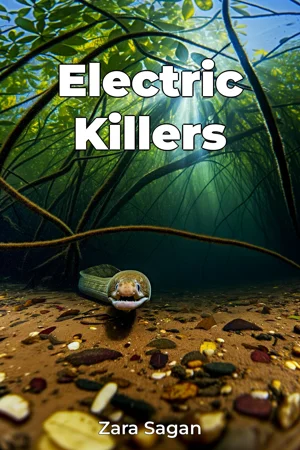
"Electric Killers" unveils the captivating world of electric animals, exploring how diverse species generate and sense electric fields. This book highlights the remarkable adaptations of aquatic species, focusing on electrogenesis—the ability to produce electricity—and electroreception, the capacity to perceive electric fields. Discover how these unique abilities aid in navigation, communication, hunting, and defense, providing a fascinating look into animal physiology and behavior. The book dives into the biological processes behind electric organ discharge, detailing the cellular and molecular adaptations that enable these animals to generate powerful electric fields. It also examines the ecological roles of these electric capabilities, focusing on predator-prey interactions and communication strategies. One intriguing insight is that electric capabilities represent a remarkable case of convergent evolution, where unrelated species independently develop similar mechanisms due to similar environmental pressures. Structured for accessibility, "Electric Killers" begins with fundamental principles of bioelectricity. It progresses through specific examples of electric fish like eels and rays, detailing their anatomy and behavior, and culminates with a discussion of the evolutionary origins of electrogenesis and electroreception. This approach integrates diverse scientific fields, offering a holistic view valuable to students, researchers, and anyone fascinated by the wonders of biology and natural history.
Book Details
ISBN
9788233983796
Publisher
Publifye AS
Your Licenses
You don't own any licenses for this book
Purchase a license below to unlock this book and download the EPUB.
Purchase License
Select a tier to unlock this book
Need bulk licensing?
Contact us for enterprise agreements.