
About This Book
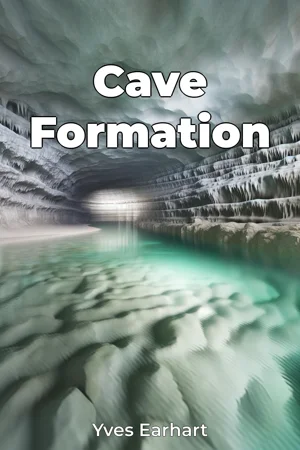
Have you ever wondered how the Earth carves out its hidden chambers, those subterranean cathedrals known as caves? "Cave Formation" delves into the fascinating and complex processes that sculpt these underground landscapes, revealing the geological forces at play beneath our feet. This book explores the primary mechanisms behind cave creation: erosion, dissolution, and volcanic activity, illustrating how these natural phenomena combine to produce the diverse and often stunning cave systems found across the globe. Understanding cave formation is crucial for several reasons. First, it provides insights into the Earth's geological history and the dynamic interplay of water, rock, and time. Second, caves often host unique ecosystems and provide important habitats for specialized species. Finally, a thorough understanding of cave formation is vital for responsible land management and conservation efforts, particularly in karst regions susceptible to sinkholes and groundwater contamination. This book provides the scientific context necessary to comprehend these processes. Prior knowledge of basic geological principles, such as rock types, hydrological cycles, and volcanic activity, will be helpful but not essential, as the concepts are explained in a clear and accessible manner. The central argument of "Cave Formation" is that caves are not merely static voids, but rather dynamic environments shaped by ongoing geological and chemical processes. Recognizing this dynamism is key to understanding cave ecosystems, managing water resources, and predicting potential hazards associated with cave systems. The book is structured to guide the reader through a comprehensive exploration of cave formation. It begins with an introduction to the fundamental concepts of erosion, dissolution, and volcanism, explaining how each process contributes to the creation of subterranean spaces. The subsequent chapters then delve into the specifics of each mechanism. Erosion, specifically in the context of caves, includes mechanical weathering and the abrasive action of water carrying sediments. We explore how this process carves out passages in softer rock formations. Dissolution, arguably the most important factor in cave formation, examines the chemical breakdown of soluble rocks, such as limestone and dolomite, by slightly acidic water. We investigate the chemical reactions involved and the factors that influence dissolution rates. Volcanic caves, formed by flowing lava, are explored last, with a detailed explanation of the different types of lava tubes and the geological conditions that favor their formation. The book then culminates by illustrating how these three primary processes often interact to create complex cave systems. This argument is supported by examples from diverse cave regions around the world, illustrated with diagrams, maps, and photographs. The book draws upon a range of evidence, including geological surveys, hydrological studies, and cave exploration reports. Data from scientific research papers, alongside photographs and maps from cave explorers, are used to support the arguments. "Cave Formation" connects with several other scientific disciplines. Hydrology is crucial in understanding the role of water in erosion and dissolution. Ecology is important in understanding the unique ecosystems that caves harbor. Geography provides the spatial context for understanding the distribution of different cave types. A unique aspect of this book is its integrated approach, combining geological processes with real-world examples and ecological considerations. The tone is informative yet accessible, aiming to engage both students and general readers with an interest in earth sciences. The target audience includes students of geology, geography, and environmental science, as well as cavers, nature enthusiasts, and anyone curious about the hidden world beneath their feet. This book offers a comprehensive and engaging overview of cave formation, providing readers with a deeper understanding of the forces that shape our planet. While the book focuses on the most common types of caves and their formation processes, it acknowledges that some rarer forms of caves exist that may not be covered in detail. The information presented in "Cave Formation" has practical applications in areas such as groundwater management, karst hazard assessment, and cave conservation. It is essential for anyone working in these fields to have a solid understanding of how caves form and evolve. The book also touches upon some ongoing debates in the field, such as the relative importance of different factors in cave formation and the impact of human activities on cave environments.
Have you ever wondered how the Earth carves out its hidden chambers, those subterranean cathedrals known as caves? "Cave Formation" delves into the fascinating and complex processes that sculpt these underground landscapes, revealing the geological forces at play beneath our feet. This book explores the primary mechanisms behind cave creation: erosion, dissolution, and volcanic activity, illustrating how these natural phenomena combine to produce the diverse and often stunning cave systems found across the globe. Understanding cave formation is crucial for several reasons. First, it provides insights into the Earth's geological history and the dynamic interplay of water, rock, and time. Second, caves often host unique ecosystems and provide important habitats for specialized species. Finally, a thorough understanding of cave formation is vital for responsible land management and conservation efforts, particularly in karst regions susceptible to sinkholes and groundwater contamination. This book provides the scientific context necessary to comprehend these processes. Prior knowledge of basic geological principles, such as rock types, hydrological cycles, and volcanic activity, will be helpful but not essential, as the concepts are explained in a clear and accessible manner. The central argument of "Cave Formation" is that caves are not merely static voids, but rather dynamic environments shaped by ongoing geological and chemical processes. Recognizing this dynamism is key to understanding cave ecosystems, managing water resources, and predicting potential hazards associated with cave systems. The book is structured to guide the reader through a comprehensive exploration of cave formation. It begins with an introduction to the fundamental concepts of erosion, dissolution, and volcanism, explaining how each process contributes to the creation of subterranean spaces. The subsequent chapters then delve into the specifics of each mechanism. Erosion, specifically in the context of caves, includes mechanical weathering and the abrasive action of water carrying sediments. We explore how this process carves out passages in softer rock formations. Dissolution, arguably the most important factor in cave formation, examines the chemical breakdown of soluble rocks, such as limestone and dolomite, by slightly acidic water. We investigate the chemical reactions involved and the factors that influence dissolution rates. Volcanic caves, formed by flowing lava, are explored last, with a detailed explanation of the different types of lava tubes and the geological conditions that favor their formation. The book then culminates by illustrating how these three primary processes often interact to create complex cave systems. This argument is supported by examples from diverse cave regions around the world, illustrated with diagrams, maps, and photographs. The book draws upon a range of evidence, including geological surveys, hydrological studies, and cave exploration reports. Data from scientific research papers, alongside photographs and maps from cave explorers, are used to support the arguments. "Cave Formation" connects with several other scientific disciplines. Hydrology is crucial in understanding the role of water in erosion and dissolution. Ecology is important in understanding the unique ecosystems that caves harbor. Geography provides the spatial context for understanding the distribution of different cave types. A unique aspect of this book is its integrated approach, combining geological processes with real-world examples and ecological considerations. The tone is informative yet accessible, aiming to engage both students and general readers with an interest in earth sciences. The target audience includes students of geology, geography, and environmental science, as well as cavers, nature enthusiasts, and anyone curious about the hidden world beneath their feet. This book offers a comprehensive and engaging overview of cave formation, providing readers with a deeper understanding of the forces that shape our planet. While the book focuses on the most common types of caves and their formation processes, it acknowledges that some rarer forms of caves exist that may not be covered in detail. The information presented in "Cave Formation" has practical applications in areas such as groundwater management, karst hazard assessment, and cave conservation. It is essential for anyone working in these fields to have a solid understanding of how caves form and evolve. The book also touches upon some ongoing debates in the field, such as the relative importance of different factors in cave formation and the impact of human activities on cave environments.
"Cave Formation" explores the fascinating processes that create subterranean caves, highlighting the geological forces at play. The book focuses on erosion, dissolution, and volcanic activity as the primary mechanisms, revealing how these natural phenomena combine to form diverse cave systems. Understanding cave formation provides insights into Earth's geological history and the dynamic interaction of water and rock. Caves also host unique ecosystems, making their study vital for responsible land management, especially in karst regions prone to sinkholes. The book begins with fundamental concepts and progresses into specifics, explaining the role of erosion, dissolution of soluble rocks like limestone, and volcanic activity in creating caves. For example, slightly acidic water chemically breaks down limestone, a key process. It uses diagrams, maps, and photographs to illustrate examples from various cave regions globally, drawing from geological surveys and cave exploration reports. This integrated approach combines geological processes with ecological considerations, offering an engaging overview for students, nature enthusiasts, and anyone curious about Earth Sciences Geography or Ecosystems & Habitats Mountains. The book emphasizes the importance of understanding cave formation for groundwater management, karst hazard assessment, and cave conservation, making it a valuable resource for understanding the hidden world beneath our feet.
Book Details
ISBN
9788233983703
Publisher
Publifye AS
Your Licenses
You don't own any licenses for this book
Purchase a license below to unlock this book and download the EPUB.
Purchase License
Select a tier to unlock this book
Need bulk licensing?
Contact us for enterprise agreements.