
About This Book
What if some of America's most majestic landscapes are destined to vanish within our lifetimes? "Glaciers of America" delves into the frozen realms of these natural wonders, exploring their profound influence on the continent's geography and the accelerating crisis they face due to climate change. This book addresses three key areas: the formative power of glaciers in sculpting the American landscape, the intricate science of glaciology, and the urgent threat posed by global warming to these icy ecosystems. Understanding these topics is critical, as the fate of glaciers directly impacts water resources, sea levels, and the stability of coastal communities. Human understanding of glaciers has evolved significantly, from early superstitions to modern scientific investigation using satellite imagery and ice core analysis. The book provides historical context, tracing the development of glaciology as a field and its growing importance in the face of climate change. A basic understanding of geological processes and climate science will enhance the reader's experience, but no prior expertise is required. The central argument of "Glaciers of America" is that the rapid decline of these natural features is not only an environmental tragedy but also a stark indicator of the broader, systemic effects of human activity on the planet. This argument is vital because it underscores the urgency of addressing climate change and inspires informed action. The book begins by introducing the fundamental principles of glaciology, including the formation, movement, and erosion patterns of glaciers. It then explores specific regions of North America, dedicating chapters to the glaciers of Alaska, the Pacific Northwest, and the Rocky Mountains. Each region is analyzed in terms of its unique glacial formations, underlying geology, and the specific environmental challenges it faces. The book culminates in a discussion of the future of America's glaciers, including potential mitigation strategies and the broader implications for climate policy. The arguments presented are supported by a wealth of scientific data, including peer-reviewed research, glacial retreat measurements, and climate model projections. The book will incorporate data from institutions like the National Snow and Ice Data Center (NSIDC) and the United States Geological Survey (USGS), supplemented by original photography and maps. "Glaciers of America" also draws connections to other fields such as hydrology (the study of water), ecology (the study of ecosystems), and environmental policy. By examining the impact of glacial meltwater on river systems, the disruption of alpine ecosystems, and the challenges of implementing effective climate policies, the book provides a holistic understanding of the intertwined issues. A unique feature of this book is its integration of scientific analysis with visual storytelling. By combining rigorous data with vivid descriptions and compelling visuals, "Glaciers of America" offers a deeply engaging and persuasive account of the challenges facing these icy landscapes. The book maintains a professional yet accessible tone, striving for clarity and accuracy while avoiding jargon. It is designed for a broad audience, including students, environmental enthusiasts, policymakers, and anyone curious about the natural world. The non-fiction genre conventions are adhered to by presenting researched facts, providing citations, and maintaining objectivity in the analysis. The scope of "Glaciers of America" is limited to the glaciers of North America, with a primary focus on the United States. While referencing global trends in glaciology and climate change, the analysis concentrates on the specific impacts and implications for the American continent. The information presented has real-world application in areas such as water resource management, climate change adaptation planning, and environmental advocacy. Readers will gain a deeper understanding of the importance of conservation and the need for sustainable environmental policies. The book acknowledges controversies surrounding climate change denial and mitigation strategies. While presenting the overwhelming scientific consensus on the human causes of global warming, it also addresses alternative viewpoints and debates surrounding policy solutions.
What if some of America's most majestic landscapes are destined to vanish within our lifetimes? "Glaciers of America" delves into the frozen realms of these natural wonders, exploring their profound influence on the continent's geography and the accelerating crisis they face due to climate change. This book addresses three key areas: the formative power of glaciers in sculpting the American landscape, the intricate science of glaciology, and the urgent threat posed by global warming to these icy ecosystems. Understanding these topics is critical, as the fate of glaciers directly impacts water resources, sea levels, and the stability of coastal communities. Human understanding of glaciers has evolved significantly, from early superstitions to modern scientific investigation using satellite imagery and ice core analysis. The book provides historical context, tracing the development of glaciology as a field and its growing importance in the face of climate change. A basic understanding of geological processes and climate science will enhance the reader's experience, but no prior expertise is required. The central argument of "Glaciers of America" is that the rapid decline of these natural features is not only an environmental tragedy but also a stark indicator of the broader, systemic effects of human activity on the planet. This argument is vital because it underscores the urgency of addressing climate change and inspires informed action. The book begins by introducing the fundamental principles of glaciology, including the formation, movement, and erosion patterns of glaciers. It then explores specific regions of North America, dedicating chapters to the glaciers of Alaska, the Pacific Northwest, and the Rocky Mountains. Each region is analyzed in terms of its unique glacial formations, underlying geology, and the specific environmental challenges it faces. The book culminates in a discussion of the future of America's glaciers, including potential mitigation strategies and the broader implications for climate policy. The arguments presented are supported by a wealth of scientific data, including peer-reviewed research, glacial retreat measurements, and climate model projections. The book will incorporate data from institutions like the National Snow and Ice Data Center (NSIDC) and the United States Geological Survey (USGS), supplemented by original photography and maps. "Glaciers of America" also draws connections to other fields such as hydrology (the study of water), ecology (the study of ecosystems), and environmental policy. By examining the impact of glacial meltwater on river systems, the disruption of alpine ecosystems, and the challenges of implementing effective climate policies, the book provides a holistic understanding of the intertwined issues. A unique feature of this book is its integration of scientific analysis with visual storytelling. By combining rigorous data with vivid descriptions and compelling visuals, "Glaciers of America" offers a deeply engaging and persuasive account of the challenges facing these icy landscapes. The book maintains a professional yet accessible tone, striving for clarity and accuracy while avoiding jargon. It is designed for a broad audience, including students, environmental enthusiasts, policymakers, and anyone curious about the natural world. The non-fiction genre conventions are adhered to by presenting researched facts, providing citations, and maintaining objectivity in the analysis. The scope of "Glaciers of America" is limited to the glaciers of North America, with a primary focus on the United States. While referencing global trends in glaciology and climate change, the analysis concentrates on the specific impacts and implications for the American continent. The information presented has real-world application in areas such as water resource management, climate change adaptation planning, and environmental advocacy. Readers will gain a deeper understanding of the importance of conservation and the need for sustainable environmental policies. The book acknowledges controversies surrounding climate change denial and mitigation strategies. While presenting the overwhelming scientific consensus on the human causes of global warming, it also addresses alternative viewpoints and debates surrounding policy solutions.
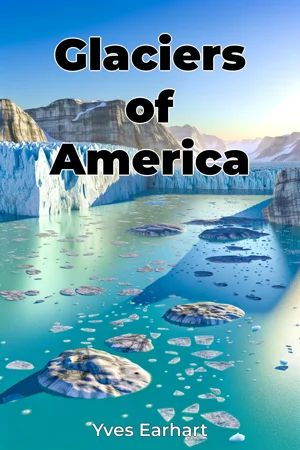
"Glaciers of America" explores the crucial role glaciers play in shaping North American geography and the accelerating crisis they face due to climate change. The book investigates how these icy giants have sculpted landscapes over millennia and delves into the science of glaciology to reveal their inner workings. As global warming intensifies, these frozen ecosystems are rapidly disappearing, threatening water resources and coastal communities. Did you know that glaciers are not static but constantly move and reshape the land beneath them? Or that ice core analysis provides invaluable data about Earth's past climate? The book presents a regional analysis, journeying through Alaska, the Pacific Northwest, and the Rocky Mountains, highlighting each area's unique glacial formations and environmental challenges. By integrating scientific data, visual storytelling, and connections to hydrology and environmental policy, "Glaciers of America" provides a comprehensive understanding of the issues. It begins by introducing the fundamentals of glaciology then progresses across chapters dedicated to specific regions, ultimately discussing the future of America's glaciers and climate policy.
Book Details
ISBN
9788233983628
Publisher
Publifye AS
Your Licenses
You don't own any licenses for this book
Purchase a license below to unlock this book and download the EPUB.
Purchase License
Select a tier to unlock this book
Need bulk licensing?
Contact us for enterprise agreements.