
About This Book
What if the harshest landscapes on Earth held secrets to understanding our planet's future? "Tundra Birth" delves into the remarkable origins and ecological significance of tundra biomes, exploring how these seemingly barren environments form in polar regions and high altitudes, giving rise to specialized ecosystems teeming with life adapted to extreme conditions. This book addresses two primary questions: First, what are the key geological and climatic processes that initiate and sustain tundra formation? And second, why are tundras vital components of the global ecosystem, deserving of urgent conservation efforts? These questions are critical because tundras, despite their low biodiversity compared to other biomes, play a disproportionately large role in carbon cycling, permafrost stability, and the support of migratory species. To understand tundra ecosystems, essential background knowledge includes basic concepts in climatology, geology, and ecology. The book will briefly review these concepts, focusing on principles such as heat transfer, soil composition, and species adaptation. The central argument of "Tundra Birth" asserts that tundra ecosystems are not merely marginal environments but are active agents in global climate regulation and biodiversity support. Understanding the complex interplay of geological processes, temperature, and biological adaptations in tundras is crucial for predicting the impact of climate change and developing effective conservation strategies. The book is structured in three parts. Part one introduces the birth of the tundra, detailing the geological and climatic conditions favoring its formation, including periglacial processes and the development of permafrost. Part two explores the adaptations of plant and animal life to the tundra environment, highlighting the unique survival strategies of species like the arctic fox, caribou, and various cold-hardy plant species. It will cover microclimates, adaptations to short growing seasons, and specialized feeding relationships. Part three examines the present and future challenges facing tundra ecosystems, focusing on the impacts of climate change, resource extraction, and pollution. The argument culminates with a call to action, urging readers to recognize the importance of tundra conservation in a rapidly changing world. Supporting the arguments are diverse forms of evidence, including data from climate monitoring stations, geological surveys, ecological field studies, and Indigenous knowledge. The book also incorporates satellite imagery and remote sensing data to visualize the extent and changes in tundra vegetation and permafrost. "Tundra Birth" connects to several other disciplines, including climatology, geology, ecology, and environmental science. It highlights the interdependencies between these fields, showcasing how a holistic approach is necessary for understanding the complex dynamics of tundra ecosystems. The book also connects to geography by exploring the spatial distribution of tundra regions and the factors controlling their location. A unique aspect of this book is its emphasis on combining field research with climate modeling to predict future changes in tundra ecosystems. The writing style is fact-based and accessible, appealing to a broad audience of readers interested in science, nature, and environmental conservation. It avoids jargon where possible, making the material understandable for those without specialized knowledge while maintaining scientific rigor. The target audience includes students, environmental enthusiasts, conservationists, and policymakers. Anyone interested in understanding the effects of climate change on the Earth's ecosystems will find this book valuable. As a work within the genre of Ecosystems & Habitats, Earth Sciences, and Geography, "Tundra Birth" provides detailed descriptions of specific locations, species, and environmental processes while maintaining scientific accuracy and rigor. The scope of this book is intentionally limited to the formation, ecology, and conservation of tundra ecosystems, focusing primarily on Arctic and alpine tundra environments. It does not cover all aspects of polar science or environmental conservation but concentrates specifically on tundras. The information presented can be applied in various ways, including informing conservation policy, guiding land management practices, and educating the public about the importance of protecting tundra regions. The book addresses ongoing debates about the rate of permafrost thaw and its impact on global carbon emissions, acknowledging different perspectives and presenting evidence-based conclusions.
What if the harshest landscapes on Earth held secrets to understanding our planet's future? "Tundra Birth" delves into the remarkable origins and ecological significance of tundra biomes, exploring how these seemingly barren environments form in polar regions and high altitudes, giving rise to specialized ecosystems teeming with life adapted to extreme conditions. This book addresses two primary questions: First, what are the key geological and climatic processes that initiate and sustain tundra formation? And second, why are tundras vital components of the global ecosystem, deserving of urgent conservation efforts? These questions are critical because tundras, despite their low biodiversity compared to other biomes, play a disproportionately large role in carbon cycling, permafrost stability, and the support of migratory species. To understand tundra ecosystems, essential background knowledge includes basic concepts in climatology, geology, and ecology. The book will briefly review these concepts, focusing on principles such as heat transfer, soil composition, and species adaptation. The central argument of "Tundra Birth" asserts that tundra ecosystems are not merely marginal environments but are active agents in global climate regulation and biodiversity support. Understanding the complex interplay of geological processes, temperature, and biological adaptations in tundras is crucial for predicting the impact of climate change and developing effective conservation strategies. The book is structured in three parts. Part one introduces the birth of the tundra, detailing the geological and climatic conditions favoring its formation, including periglacial processes and the development of permafrost. Part two explores the adaptations of plant and animal life to the tundra environment, highlighting the unique survival strategies of species like the arctic fox, caribou, and various cold-hardy plant species. It will cover microclimates, adaptations to short growing seasons, and specialized feeding relationships. Part three examines the present and future challenges facing tundra ecosystems, focusing on the impacts of climate change, resource extraction, and pollution. The argument culminates with a call to action, urging readers to recognize the importance of tundra conservation in a rapidly changing world. Supporting the arguments are diverse forms of evidence, including data from climate monitoring stations, geological surveys, ecological field studies, and Indigenous knowledge. The book also incorporates satellite imagery and remote sensing data to visualize the extent and changes in tundra vegetation and permafrost. "Tundra Birth" connects to several other disciplines, including climatology, geology, ecology, and environmental science. It highlights the interdependencies between these fields, showcasing how a holistic approach is necessary for understanding the complex dynamics of tundra ecosystems. The book also connects to geography by exploring the spatial distribution of tundra regions and the factors controlling their location. A unique aspect of this book is its emphasis on combining field research with climate modeling to predict future changes in tundra ecosystems. The writing style is fact-based and accessible, appealing to a broad audience of readers interested in science, nature, and environmental conservation. It avoids jargon where possible, making the material understandable for those without specialized knowledge while maintaining scientific rigor. The target audience includes students, environmental enthusiasts, conservationists, and policymakers. Anyone interested in understanding the effects of climate change on the Earth's ecosystems will find this book valuable. As a work within the genre of Ecosystems & Habitats, Earth Sciences, and Geography, "Tundra Birth" provides detailed descriptions of specific locations, species, and environmental processes while maintaining scientific accuracy and rigor. The scope of this book is intentionally limited to the formation, ecology, and conservation of tundra ecosystems, focusing primarily on Arctic and alpine tundra environments. It does not cover all aspects of polar science or environmental conservation but concentrates specifically on tundras. The information presented can be applied in various ways, including informing conservation policy, guiding land management practices, and educating the public about the importance of protecting tundra regions. The book addresses ongoing debates about the rate of permafrost thaw and its impact on global carbon emissions, acknowledging different perspectives and presenting evidence-based conclusions.
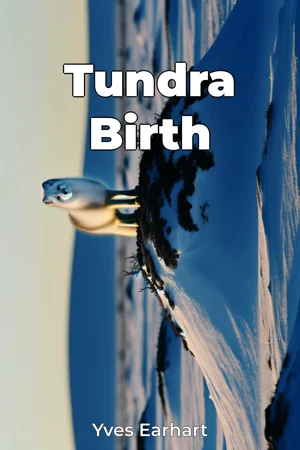
"Tundra Birth" explores the origins and ecological significance of tundra biomes, revealing how these extreme environments form and sustain unique ecosystems in polar regions and high altitudes. These seemingly barren landscapes play a crucial role in global carbon cycling and support various migratory species, making their study essential. The book highlights the geological and climatic processes that initiate tundra formation, such as periglacial activity and permafrost development, while also examining the remarkable adaptations of plant and animal life to these harsh conditions. The book progresses through three parts, starting with the birth of the tundra and its key geological features. It then delves into the unique survival strategies of tundra inhabitants, such as the arctic fox and specialized plant species adapted to short growing seasons. Finally, it addresses the challenges these ecosystems face due to climate change, resource extraction, and pollution. The book emphasizes the importance of tundra conservation in a rapidly changing world, using data from climate monitoring, geological surveys, and ecological field studies to support its arguments.
Book Details
ISBN
9788233983529
Publisher
Publifye AS
Your Licenses
You don't own any licenses for this book
Purchase a license below to unlock this book and download the EPUB.
Purchase License
Select a tier to unlock this book
Need bulk licensing?
Contact us for enterprise agreements.