
About This Book
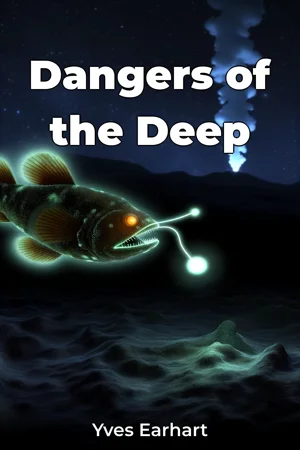
What lurks in the blackest depths of our planet's oceans, and how do these creatures not only survive but thrive in conditions that would crush most life forms? "Dangers of the Deep" explores the fascinating and often perilous world of deep-sea life, revealing the unique adaptations and survival strategies of creatures inhabiting the most extreme environments on Earth. We will examine topics such as bioluminescence, pressure adaptation, and feeding strategies in the deep sea, highlighting their biological significance and their relevance to understanding life in extreme environments. The book will initially provide necessary context for understanding the deep sea by describing the physical characteristics of these environments, including the immense pressure, perpetual darkness, and scarcity of food. This will include discussions on oceanography, marine biology, and the geological processes that shape the deep-sea floor. We will discuss the history of deep-sea exploration, the types of research vessels and equipment used and the significant discoveries that have shaped our understanding of the deep. The central argument running throughout "Dangers of the Deep" is that the extreme conditions of the deep sea have driven the evolution of highly specialized adaptations, leading to unique biodiversity and ecological interactions. Understanding these adaptations is crucial for comprehending the limits of life and the potential for life in other extreme environments, such as those found on other planets. The book is structured to guide the reader through a comprehensive exploration of this topic. We will start with an introduction to the basic concepts of deep-sea ecology and the challenges of survival in this environment. The book will then move on to: (1) an in-depth look at several key animal groups, such as anglerfish, vampire squids, and deep-sea hydrothermal vent communities, and (2) an examination of the specific adaptations that allow these creatures to survive, focusing on the physiological, biochemical and behavioral aspects of these adaptations. The book will culminate with a discussion of the potential impacts of human activities, such as deep-sea mining and pollution, on these fragile ecosystems. The evidence presented in the book will be drawn from peer-reviewed scientific literature, data collected from deep-sea research expeditions, and analysis of specimens collected from the deep sea. Specific examples of research will include analysis of anglerfish bioluminescence using spectroscopic techniques, studies of deep-sea fish physiology under high pressure, and genetic analyses of hydrothermal vent communities. "Dangers of the Deep" also connects to other fields of study. For example, the study of bioluminescence in deep-sea creatures has implications for biotechnology, where these light-producing systems can be used in medical imaging and environmental monitoring. The adaptations of deep-sea organisms to extreme pressure and temperature can inform the development of new materials and technologies. The study of the biodiversity and ecology of the deep sea is also crucial for understanding the impact of climate change and human activities on marine ecosystems. This book offers a unique perspective by presenting a blend of cutting-edge scientific research with accessible explanations. The tone is professional yet engaging, aiming to inform and captivate readers with the wonders of the deep sea. The target audience includes students studying marine biology or environmental science, researchers in related fields, and anyone with a general interest in the natural world and the mysteries of the ocean. As a work of non-fiction, "Dangers of the Deep" adheres to the conventions of scientific accuracy and evidence-based reasoning. The scope of the book is limited to the biological and ecological aspects of the deep sea, with a focus on animal adaptations. While geological and chemical aspects of the deep sea are mentioned, they are primarily discussed in the context of their influence on biological systems. Knowledge gained from this book has real-world applications. Understanding the biodiversity and ecology of the deep sea is crucial for making informed decisions about the management and conservation of these ecosystems, particularly in the face of increasing human activities such as deep-sea mining and fishing. There are ongoing debates on the ethical and environmental implications of deep-sea mining. "Dangers of the Deep" addresses some of these issues by presenting a scientific perspective on the potential impacts of these activities on deep sea ecosystems.
What lurks in the blackest depths of our planet's oceans, and how do these creatures not only survive but thrive in conditions that would crush most life forms? "Dangers of the Deep" explores the fascinating and often perilous world of deep-sea life, revealing the unique adaptations and survival strategies of creatures inhabiting the most extreme environments on Earth. We will examine topics such as bioluminescence, pressure adaptation, and feeding strategies in the deep sea, highlighting their biological significance and their relevance to understanding life in extreme environments. The book will initially provide necessary context for understanding the deep sea by describing the physical characteristics of these environments, including the immense pressure, perpetual darkness, and scarcity of food. This will include discussions on oceanography, marine biology, and the geological processes that shape the deep-sea floor. We will discuss the history of deep-sea exploration, the types of research vessels and equipment used and the significant discoveries that have shaped our understanding of the deep. The central argument running throughout "Dangers of the Deep" is that the extreme conditions of the deep sea have driven the evolution of highly specialized adaptations, leading to unique biodiversity and ecological interactions. Understanding these adaptations is crucial for comprehending the limits of life and the potential for life in other extreme environments, such as those found on other planets. The book is structured to guide the reader through a comprehensive exploration of this topic. We will start with an introduction to the basic concepts of deep-sea ecology and the challenges of survival in this environment. The book will then move on to: (1) an in-depth look at several key animal groups, such as anglerfish, vampire squids, and deep-sea hydrothermal vent communities, and (2) an examination of the specific adaptations that allow these creatures to survive, focusing on the physiological, biochemical and behavioral aspects of these adaptations. The book will culminate with a discussion of the potential impacts of human activities, such as deep-sea mining and pollution, on these fragile ecosystems. The evidence presented in the book will be drawn from peer-reviewed scientific literature, data collected from deep-sea research expeditions, and analysis of specimens collected from the deep sea. Specific examples of research will include analysis of anglerfish bioluminescence using spectroscopic techniques, studies of deep-sea fish physiology under high pressure, and genetic analyses of hydrothermal vent communities. "Dangers of the Deep" also connects to other fields of study. For example, the study of bioluminescence in deep-sea creatures has implications for biotechnology, where these light-producing systems can be used in medical imaging and environmental monitoring. The adaptations of deep-sea organisms to extreme pressure and temperature can inform the development of new materials and technologies. The study of the biodiversity and ecology of the deep sea is also crucial for understanding the impact of climate change and human activities on marine ecosystems. This book offers a unique perspective by presenting a blend of cutting-edge scientific research with accessible explanations. The tone is professional yet engaging, aiming to inform and captivate readers with the wonders of the deep sea. The target audience includes students studying marine biology or environmental science, researchers in related fields, and anyone with a general interest in the natural world and the mysteries of the ocean. As a work of non-fiction, "Dangers of the Deep" adheres to the conventions of scientific accuracy and evidence-based reasoning. The scope of the book is limited to the biological and ecological aspects of the deep sea, with a focus on animal adaptations. While geological and chemical aspects of the deep sea are mentioned, they are primarily discussed in the context of their influence on biological systems. Knowledge gained from this book has real-world applications. Understanding the biodiversity and ecology of the deep sea is crucial for making informed decisions about the management and conservation of these ecosystems, particularly in the face of increasing human activities such as deep-sea mining and fishing. There are ongoing debates on the ethical and environmental implications of deep-sea mining. "Dangers of the Deep" addresses some of these issues by presenting a scientific perspective on the potential impacts of these activities on deep sea ecosystems.
"Dangers of the Deep" plunges into the extreme world of deep-sea life, exploring how creatures thrive in crushing pressures and perpetual darkness. The book unveils unique adaptations such as bioluminescence, used by anglerfish to lure prey, and specialized physiological processes that allow survival where most life cannot exist. Discoveries about these extreme environments shed light on the limits of life itself and potential for life on other planets, making this book valuable for anyone curious about the natural world and the mysteries of the ocean. The book begins by setting the stage with the physical characteristics of the ocean depths, then moves to an in-depth look at key animal groups and their specific adaptations. It progresses from basic concepts of deep-sea ecology to the impacts of human activities like deep-sea mining on these fragile ecosystems. The book's approach blends cutting-edge research with accessible explanations, offering a unique perspective on the biodiversity and ecological interactions of the deep sea.
Book Details
ISBN
9788233983512
Publisher
Publifye AS
Your Licenses
You don't own any licenses for this book
Purchase a license below to unlock this book and download the EPUB.
Purchase License
Select a tier to unlock this book
Need bulk licensing?
Contact us for enterprise agreements.