
About This Book
Have you ever wondered how nature crafts its own rejuvenating spas, hidden beneath the earth's surface? This book, *Hot Spring*, delves into the fascinating world of geothermal activity and its role in creating natural hot springs, those alluring pools of mineral-rich water that have captivated cultures for centuries. We will explore the intricate geological processes responsible for their formation and the diverse chemical compositions that give each spring its unique therapeutic properties. This book has three main topics: the geological origins of hot springs, the chemical and biological diversity found within them, and the cultural and economic significance they hold for communities worldwide. Understanding how these springs are formed and sustained is crucial for responsible tourism and conservation efforts. Recognizing the chemical makeup is vital for evaluating their potential health benefits and environmental impacts. Knowing how humans interact with them, we can promote their sustainable use for future generations. Geothermal activity, driven by the Earth's internal heat, serves as the fundamental engine behind hot spring formation. This book will trace the journey of groundwater as it percolates through permeable rock formations, descends to significant depths where it is heated by magma or hot rock, and then rises back to the surface through faults and fractures. We will examine the role of plate tectonics, volcanism, and regional geological structures in influencing the distribution and characteristics of hot springs around the globe. No prior technical knowledge of geology is needed; the concepts are presented in an accessible manner. The central argument of *Hot Spring* is that hot springs are complex, interconnected systems where geology, chemistry, biology, and human culture converge. This convergence highlights both their vulnerability and their immense potential for scientific discovery, economic development, and human well-being. The book begins by introducing the basic principles of geothermal energy and hydrology, then progresses to detailed case studies of specific hot spring regions around the world, examining their geological settings and chemical profiles. We will cover major points such as the influence of rock type on water chemistry, the role of microorganisms in altering mineral compositions, and the ecological adaptations of life in extreme thermal environments. The culmination demonstrates how an improved understanding of hot spring systems informs sustainable management practices. This includes assessing the impact of human activities on water quality and flow rates and developing strategies for protecting these unique environments. The evidence presented in this book draws from a diverse range of sources, including geological surveys, geochemical analyses, and microbiological studies. Unique data comes from long-term monitoring programs at several globally significant hot spring sites. *Hot Spring* connects to several other disciplines, including environmental science, public health, and economics. From environmental science, this book seeks to understand the ecological impacts of hot springs and the human-caused threats to their existence. From public health, we will discuss the health benefits of hot springs and how the chemical composition of hot springs can be a hazard if not handled properly. Economic impacts will be discussed in terms of tourism, potential geothermal energy, and local communities in specific regions. These interdisciplinary connections enhance the book's argument by illustrating the multifaceted nature of hot springs and their relevance to a wide range of societal concerns. This book will employ a balanced approach, combining scientific rigor with engaging storytelling. The writing style is designed to be accessible to a broad audience, avoiding overly technical jargon while maintaining accuracy and depth. *Hot Spring* is tailored for nature enthusiasts, students of earth sciences and geography, policymakers involved in resource management, and anyone interested in the intersection of geology, biology, and culture. The book provides valuable insights for those seeking to understand and appreciate these unique natural phenomena. As a work of non-fiction in the nature, earth sciences and geography genres, this book adheres to the conventions of presenting factual information in a clear, organized, and well-referenced manner. The scope of *Hot Spring* encompasses a global overview of hot spring systems, with detailed case studies from diverse regions. While focusing on terrestrial hot springs, the book acknowledges the existence of subsurface hydrothermal vents and other geothermal manifestations but does not explore them extensively. Practically, the information in *Hot Spring* can inform decisions related to geothermal energy development, ecotourism planning, and the conservation of fragile ecosystems. Furthermore, the book prompts critical thinking about the responsible use of natural resources and our relationship with the environment. Ongoing debates surround the sustainable exploitation of geothermal resources and the potential for land use conflicts in hot spring areas. *Hot Spring* addresses these debates by presenting different perspectives and advocating for informed decision-making based on scientific evidence and community engagement.
Have you ever wondered how nature crafts its own rejuvenating spas, hidden beneath the earth's surface? This book, *Hot Spring*, delves into the fascinating world of geothermal activity and its role in creating natural hot springs, those alluring pools of mineral-rich water that have captivated cultures for centuries. We will explore the intricate geological processes responsible for their formation and the diverse chemical compositions that give each spring its unique therapeutic properties. This book has three main topics: the geological origins of hot springs, the chemical and biological diversity found within them, and the cultural and economic significance they hold for communities worldwide. Understanding how these springs are formed and sustained is crucial for responsible tourism and conservation efforts. Recognizing the chemical makeup is vital for evaluating their potential health benefits and environmental impacts. Knowing how humans interact with them, we can promote their sustainable use for future generations. Geothermal activity, driven by the Earth's internal heat, serves as the fundamental engine behind hot spring formation. This book will trace the journey of groundwater as it percolates through permeable rock formations, descends to significant depths where it is heated by magma or hot rock, and then rises back to the surface through faults and fractures. We will examine the role of plate tectonics, volcanism, and regional geological structures in influencing the distribution and characteristics of hot springs around the globe. No prior technical knowledge of geology is needed; the concepts are presented in an accessible manner. The central argument of *Hot Spring* is that hot springs are complex, interconnected systems where geology, chemistry, biology, and human culture converge. This convergence highlights both their vulnerability and their immense potential for scientific discovery, economic development, and human well-being. The book begins by introducing the basic principles of geothermal energy and hydrology, then progresses to detailed case studies of specific hot spring regions around the world, examining their geological settings and chemical profiles. We will cover major points such as the influence of rock type on water chemistry, the role of microorganisms in altering mineral compositions, and the ecological adaptations of life in extreme thermal environments. The culmination demonstrates how an improved understanding of hot spring systems informs sustainable management practices. This includes assessing the impact of human activities on water quality and flow rates and developing strategies for protecting these unique environments. The evidence presented in this book draws from a diverse range of sources, including geological surveys, geochemical analyses, and microbiological studies. Unique data comes from long-term monitoring programs at several globally significant hot spring sites. *Hot Spring* connects to several other disciplines, including environmental science, public health, and economics. From environmental science, this book seeks to understand the ecological impacts of hot springs and the human-caused threats to their existence. From public health, we will discuss the health benefits of hot springs and how the chemical composition of hot springs can be a hazard if not handled properly. Economic impacts will be discussed in terms of tourism, potential geothermal energy, and local communities in specific regions. These interdisciplinary connections enhance the book's argument by illustrating the multifaceted nature of hot springs and their relevance to a wide range of societal concerns. This book will employ a balanced approach, combining scientific rigor with engaging storytelling. The writing style is designed to be accessible to a broad audience, avoiding overly technical jargon while maintaining accuracy and depth. *Hot Spring* is tailored for nature enthusiasts, students of earth sciences and geography, policymakers involved in resource management, and anyone interested in the intersection of geology, biology, and culture. The book provides valuable insights for those seeking to understand and appreciate these unique natural phenomena. As a work of non-fiction in the nature, earth sciences and geography genres, this book adheres to the conventions of presenting factual information in a clear, organized, and well-referenced manner. The scope of *Hot Spring* encompasses a global overview of hot spring systems, with detailed case studies from diverse regions. While focusing on terrestrial hot springs, the book acknowledges the existence of subsurface hydrothermal vents and other geothermal manifestations but does not explore them extensively. Practically, the information in *Hot Spring* can inform decisions related to geothermal energy development, ecotourism planning, and the conservation of fragile ecosystems. Furthermore, the book prompts critical thinking about the responsible use of natural resources and our relationship with the environment. Ongoing debates surround the sustainable exploitation of geothermal resources and the potential for land use conflicts in hot spring areas. *Hot Spring* addresses these debates by presenting different perspectives and advocating for informed decision-making based on scientific evidence and community engagement.
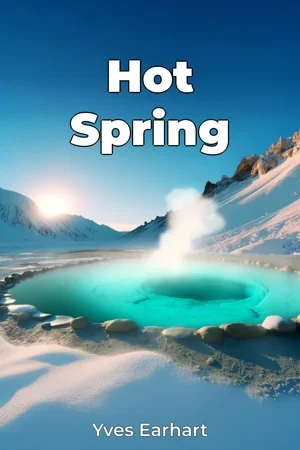
*Hot Spring* unveils the captivating world of geothermal activity, exploring how nature creates rejuvenating natural spas. These springs, rich in minerals, have long drawn human interest. The book examines the geological processes behind their formation, such as groundwater heated by magma rising through rock formations, influenced by plate tectonics and volcanism. Each spring's unique therapeutic properties arise from its diverse chemical composition, impacting both ecological systems and potential human health benefits. The book looks at the geological origins of hot springs, their chemical and biological diversity, and their cultural and economic importance worldwide. It traces how the Earth's internal heat drives geothermal activity, influencing hot spring distribution. The book's progression includes basic principles of geothermal energy and hydrology, then moves to case studies of specific regions, examining their geological settings and chemical profiles. By combining scientific rigor with accessible storytelling, *Hot Spring* is a comprehensive resource. It emphasizes the interconnectedness of geology, chemistry, biology, and human culture in these systems. Understanding these connections is crucial for sustainable management and conservation, especially given ongoing debates about geothermal resource exploitation and land use.
Book Details
ISBN
9788233983482
Publisher
Publifye AS
Your Licenses
You don't own any licenses for this book
Purchase a license below to unlock this book and download the EPUB.
Purchase License
Select a tier to unlock this book
Need bulk licensing?
Contact us for enterprise agreements.