
About This Book
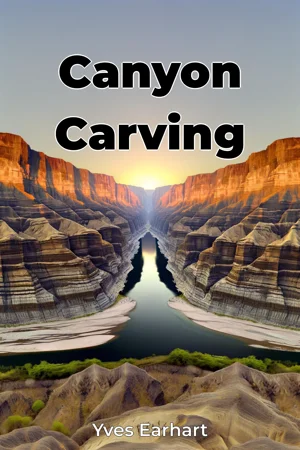
Have you ever wondered how the immense canyons of our planet, those breathtaking chasms etched into the Earth's surface, came to be? "Canyon Carving" unveils the intricate processes through which rivers sculpt these geological wonders over vast stretches of time. This book explores the fundamental principles of river erosion, the geological context that enables canyon formation, and the profound insights these landscapes offer into Earth's history. Understanding these forces is crucial, not only for appreciating the natural world but also for managing water resources and mitigating geological hazards in canyon-rich regions. This book delves into three central themes: the mechanics of river erosion, the role of geological structures and rock types, and the timeline of canyon development. We will examine how rivers, seemingly gentle forces, possess the power to dissect solid rock through hydraulic action, abrasion, solution, and attrition. We’ll discuss how the specific geological makeup of an area, including rock hardness, jointing patterns, and fault lines, dictates the path and rate of canyon formation. Finally, we will trace the stages of canyon evolution, from initial downcutting to the widening and shaping of the canyon walls. "Canyon Carving" argues that canyons are not merely static landforms but dynamic records of geological history and ongoing environmental change. By studying the layers of rock exposed in canyon walls, we can reconstruct past climates, identify periods of uplift or subsidence, and understand the long-term effects of erosion. This understanding is critical for predicting future landscape evolution and managing resources in these sensitive environments. The book begins by introducing the basic principles of fluvial geomorphology, providing a foundation for understanding the forces at play. Subsequent chapters explore the influence of different rock types on canyon morphology, detailing how variations in resistance to erosion lead to unique canyon shapes and features. We also examine the impact of tectonic activity, such as uplift and faulting, on river incision rates and canyon development. The book culminates in a discussion of the practical implications of canyon formation, including water resource management, flood control, and the assessment of geological hazards like landslides and debris flows. The evidence presented in "Canyon Carving" draws from a wide range of sources, including field observations, laboratory experiments, and remote sensing data. We will present case studies of iconic canyons from around the world, illustrating the diverse processes and factors that contribute to their formation. The book also incorporates original research on the rates of river erosion in different geological settings. The study of canyon formation connects to several other fields, including hydrology, ecology, and engineering. Hydrology provides insights into the flow regimes and sediment transport capacity of rivers. Ecological studies reveal how canyon landscapes support unique plant and animal communities. Engineering principles are applied in the design of dams, bridges, and other structures in canyon environments. These interdisciplinary connections enrich the book's argument by demonstrating the multifaceted importance of understanding canyon processes. "Canyon Carving" adopts a comprehensive perspective, integrating geological, hydrological, and ecological factors to provide a holistic understanding of canyon formation. Written in a clear and accessible style, "Canyon Carving" is aimed at students, researchers, and anyone with an interest in geology, geography, and environmental science. It will be particularly valuable to those seeking a deeper understanding of Earth's dynamic landscapes and the processes that shape them. As a work of nature and earth sciences geography, the book adheres to the conventions of academic rigor and scientific accuracy. The book's scope is limited to the formation and evolution of canyons carved by rivers, focusing on the physical processes involved and the resulting landforms. It does not delve into the cultural or historical significance of canyons, although these aspects may be touched upon briefly. The information presented in "Canyon Carving" has numerous real-world applications. It can inform the management of water resources in canyon regions, the design of infrastructure projects, and the assessment of geological hazards. By understanding how canyons evolve, we can better protect these valuable landscapes and the resources they provide. While the fundamental principles of river erosion are well-established, there are ongoing debates about the relative importance of different processes and the precise rates at which canyons are formed. "Canyon Carving" addresses these controversies, presenting different perspectives and highlighting areas of ongoing research.
Have you ever wondered how the immense canyons of our planet, those breathtaking chasms etched into the Earth's surface, came to be? "Canyon Carving" unveils the intricate processes through which rivers sculpt these geological wonders over vast stretches of time. This book explores the fundamental principles of river erosion, the geological context that enables canyon formation, and the profound insights these landscapes offer into Earth's history. Understanding these forces is crucial, not only for appreciating the natural world but also for managing water resources and mitigating geological hazards in canyon-rich regions. This book delves into three central themes: the mechanics of river erosion, the role of geological structures and rock types, and the timeline of canyon development. We will examine how rivers, seemingly gentle forces, possess the power to dissect solid rock through hydraulic action, abrasion, solution, and attrition. We’ll discuss how the specific geological makeup of an area, including rock hardness, jointing patterns, and fault lines, dictates the path and rate of canyon formation. Finally, we will trace the stages of canyon evolution, from initial downcutting to the widening and shaping of the canyon walls. "Canyon Carving" argues that canyons are not merely static landforms but dynamic records of geological history and ongoing environmental change. By studying the layers of rock exposed in canyon walls, we can reconstruct past climates, identify periods of uplift or subsidence, and understand the long-term effects of erosion. This understanding is critical for predicting future landscape evolution and managing resources in these sensitive environments. The book begins by introducing the basic principles of fluvial geomorphology, providing a foundation for understanding the forces at play. Subsequent chapters explore the influence of different rock types on canyon morphology, detailing how variations in resistance to erosion lead to unique canyon shapes and features. We also examine the impact of tectonic activity, such as uplift and faulting, on river incision rates and canyon development. The book culminates in a discussion of the practical implications of canyon formation, including water resource management, flood control, and the assessment of geological hazards like landslides and debris flows. The evidence presented in "Canyon Carving" draws from a wide range of sources, including field observations, laboratory experiments, and remote sensing data. We will present case studies of iconic canyons from around the world, illustrating the diverse processes and factors that contribute to their formation. The book also incorporates original research on the rates of river erosion in different geological settings. The study of canyon formation connects to several other fields, including hydrology, ecology, and engineering. Hydrology provides insights into the flow regimes and sediment transport capacity of rivers. Ecological studies reveal how canyon landscapes support unique plant and animal communities. Engineering principles are applied in the design of dams, bridges, and other structures in canyon environments. These interdisciplinary connections enrich the book's argument by demonstrating the multifaceted importance of understanding canyon processes. "Canyon Carving" adopts a comprehensive perspective, integrating geological, hydrological, and ecological factors to provide a holistic understanding of canyon formation. Written in a clear and accessible style, "Canyon Carving" is aimed at students, researchers, and anyone with an interest in geology, geography, and environmental science. It will be particularly valuable to those seeking a deeper understanding of Earth's dynamic landscapes and the processes that shape them. As a work of nature and earth sciences geography, the book adheres to the conventions of academic rigor and scientific accuracy. The book's scope is limited to the formation and evolution of canyons carved by rivers, focusing on the physical processes involved and the resulting landforms. It does not delve into the cultural or historical significance of canyons, although these aspects may be touched upon briefly. The information presented in "Canyon Carving" has numerous real-world applications. It can inform the management of water resources in canyon regions, the design of infrastructure projects, and the assessment of geological hazards. By understanding how canyons evolve, we can better protect these valuable landscapes and the resources they provide. While the fundamental principles of river erosion are well-established, there are ongoing debates about the relative importance of different processes and the precise rates at which canyons are formed. "Canyon Carving" addresses these controversies, presenting different perspectives and highlighting areas of ongoing research.
"Canyon Carving" explores the fascinating world of canyon formation, revealing how rivers sculpt these dramatic landscapes over immense timescales. The book delves into the mechanics of river erosion, the geological factors influencing canyon development, and how these formations act as records of Earth's history. One intriguing aspect is how seemingly gentle rivers can carve through solid rock through processes like hydraulic action and abrasion. Also, the specific geological makeup of an area, including rock hardness and fault lines, significantly dictates the path and rate of canyon formation. This book uniquely integrates geological, hydrological, and ecological perspectives to provide a comprehensive understanding of canyon evolution. Beginning with the basics of fluvial geomorphology, the chapters progress to explore the influence of rock types and tectonic activity on canyon morphology. The book uses a variety of evidence, including field observations and remote sensing data, to illustrate the processes at play. Ultimately, "Canyon Carving" emphasizes the practical implications of understanding these geological wonders, from water resource management to mitigating geological hazards.
Book Details
ISBN
9788233983307
Publisher
Publifye AS
Your Licenses
You don't own any licenses for this book
Purchase a license below to unlock this book and download the EPUB.
Purchase License
Select a tier to unlock this book
Need bulk licensing?
Contact us for enterprise agreements.