
About This Book
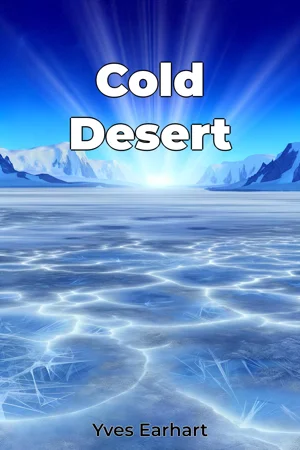
Can a desert exist where temperatures plummet far below freezing? Cold Deserts, a fascinating realm of geographical paradox, are the focal point of this book. This exploration ventures into the nature of these polar landscapes, defined by their frigid conditions and surprisingly scant precipitation. Understanding cold deserts is vital for comprehending global climate patterns, biodiversity in extreme environments, and the impact of climate change on vulnerable ecosystems. This book delves into three key aspects of cold deserts: their formation and geographical distribution, the unique adaptations of life within them, and the impact of climate change on their fragile ecosystems. We begin by establishing the geological and climatological context necessary for understanding the formation of these extreme environments. The significance of this lies in our ability to predict how similar environments might develop on other planets, as well as how these regions will evolve under the pressures of a warming Earth. The central argument of this book is that cold deserts, while appearing barren, are critical indicators of climate change and harbor unexpectedly complex ecosystems that deserve greater attention and conservation efforts. These areas are often overlooked in climate models, leading to incomplete predictions about future environmental shifts. This book methodically explores the world of cold deserts. First, it introduces the fundamental principles of desert formation, focusing on the specific conditions that lead to cold deserts in polar and high-altitude regions. We will examine the role of factors such as orographic effects, rain shadows, and high-pressure systems in creating arid conditions despite freezing temperatures. Following this introduction based on existing climate data and geological surveys, the second section analyzes the specialized adaptations of plants, animals, and microorganisms that survive in these extreme environments. This includes physiological adaptations like antifreeze proteins in animals, morphological adaptations such as drought-resistant plant structures, and behavioral adaptations that allow organisms to conserve energy and water. The third act addresses the growing threat of climate change, analyzing the potential impacts of rising temperatures, altered precipitation patterns, and thawing permafrost on cold desert ecosystems. It concludes with practical implications for conservation and sustainable management strategies, emphasizing the need for interdisciplinary approaches that integrate climate science, ecology, and policy. The evidence presented in support of these arguments comes from a variety of sources, including climate data from weather stations and satellites, ecological surveys of plant and animal populations, and geochemical analyses of soil and water samples. In addition, the book will draw upon case studies from several prominent cold desert regions around the world, such as the Arctic tundra, the high-altitude deserts of the Himalayas, and the Antarctic dry valleys. The study of cold deserts is inherently interdisciplinary, connecting to fields such as climatology, ecology, geology, and environmental science. By integrating these diverse perspectives, this book offers a holistic understanding of these unique environments. One unique aspect of this book is its emphasis on the interplay between geological history and present-day ecological processes in shaping cold desert ecosystems. It challenges the traditional view of deserts as static, lifeless landscapes, revealing the dynamic and resilient nature of life in these extreme environments. Written in a style accessible to both students and general readers with an interest in nature, earth sciences, and geography, the book avoids technical jargon where possible, while maintaining scientific rigor. The target audience includes undergraduate and graduate students in environmental science, ecology, and geography, as well as anyone interested in learning more about extreme environments and climate change. This book provides a general understanding of cold desert types, formation, and the challenges and adaptations of life in these regions. The scope is geographically broad, covering major cold desert regions around the world, but does not delve into the specific ecological dynamics of any single cold desert environment. The information in this book can be applied to conservation planning, climate change mitigation strategies, and the development of sustainable resource management practices in cold desert regions. It can also inform our understanding of potential extraterrestrial environments and the possibility of life beyond Earth. There are ongoing debates about the relative importance of different climate factors in driving changes in cold desert ecosystems. Some researchers emphasize the role of temperature, while others focus on precipitation or permafrost thaw. This book addresses these debates by presenting a balanced perspective that considers the complex interactions between multiple environmental factors.
Can a desert exist where temperatures plummet far below freezing? Cold Deserts, a fascinating realm of geographical paradox, are the focal point of this book. This exploration ventures into the nature of these polar landscapes, defined by their frigid conditions and surprisingly scant precipitation. Understanding cold deserts is vital for comprehending global climate patterns, biodiversity in extreme environments, and the impact of climate change on vulnerable ecosystems. This book delves into three key aspects of cold deserts: their formation and geographical distribution, the unique adaptations of life within them, and the impact of climate change on their fragile ecosystems. We begin by establishing the geological and climatological context necessary for understanding the formation of these extreme environments. The significance of this lies in our ability to predict how similar environments might develop on other planets, as well as how these regions will evolve under the pressures of a warming Earth. The central argument of this book is that cold deserts, while appearing barren, are critical indicators of climate change and harbor unexpectedly complex ecosystems that deserve greater attention and conservation efforts. These areas are often overlooked in climate models, leading to incomplete predictions about future environmental shifts. This book methodically explores the world of cold deserts. First, it introduces the fundamental principles of desert formation, focusing on the specific conditions that lead to cold deserts in polar and high-altitude regions. We will examine the role of factors such as orographic effects, rain shadows, and high-pressure systems in creating arid conditions despite freezing temperatures. Following this introduction based on existing climate data and geological surveys, the second section analyzes the specialized adaptations of plants, animals, and microorganisms that survive in these extreme environments. This includes physiological adaptations like antifreeze proteins in animals, morphological adaptations such as drought-resistant plant structures, and behavioral adaptations that allow organisms to conserve energy and water. The third act addresses the growing threat of climate change, analyzing the potential impacts of rising temperatures, altered precipitation patterns, and thawing permafrost on cold desert ecosystems. It concludes with practical implications for conservation and sustainable management strategies, emphasizing the need for interdisciplinary approaches that integrate climate science, ecology, and policy. The evidence presented in support of these arguments comes from a variety of sources, including climate data from weather stations and satellites, ecological surveys of plant and animal populations, and geochemical analyses of soil and water samples. In addition, the book will draw upon case studies from several prominent cold desert regions around the world, such as the Arctic tundra, the high-altitude deserts of the Himalayas, and the Antarctic dry valleys. The study of cold deserts is inherently interdisciplinary, connecting to fields such as climatology, ecology, geology, and environmental science. By integrating these diverse perspectives, this book offers a holistic understanding of these unique environments. One unique aspect of this book is its emphasis on the interplay between geological history and present-day ecological processes in shaping cold desert ecosystems. It challenges the traditional view of deserts as static, lifeless landscapes, revealing the dynamic and resilient nature of life in these extreme environments. Written in a style accessible to both students and general readers with an interest in nature, earth sciences, and geography, the book avoids technical jargon where possible, while maintaining scientific rigor. The target audience includes undergraduate and graduate students in environmental science, ecology, and geography, as well as anyone interested in learning more about extreme environments and climate change. This book provides a general understanding of cold desert types, formation, and the challenges and adaptations of life in these regions. The scope is geographically broad, covering major cold desert regions around the world, but does not delve into the specific ecological dynamics of any single cold desert environment. The information in this book can be applied to conservation planning, climate change mitigation strategies, and the development of sustainable resource management practices in cold desert regions. It can also inform our understanding of potential extraterrestrial environments and the possibility of life beyond Earth. There are ongoing debates about the relative importance of different climate factors in driving changes in cold desert ecosystems. Some researchers emphasize the role of temperature, while others focus on precipitation or permafrost thaw. This book addresses these debates by presenting a balanced perspective that considers the complex interactions between multiple environmental factors.
"Cold Desert" explores the nature of surprisingly arid yet freezing polar landscapes and their importance in understanding global climate patterns. It highlights the geological and climatological conditions that lead to their formation, revealing their vital role as indicators of climate change. Cold deserts, often overlooked, are critical for understanding how similar environments might develop on other planets and how these regions will evolve under the pressures of a warming Earth. The book emphasizes the unexpectedly complex ecosystems these areas harbor. The book progresses by first establishing the fundamental principles of desert formation, with a focus on the specific conditions that lead to cold deserts. Then it analyzes the specialized adaptations of life within these extreme environments, including physiological, morphological, and behavioral strategies. Finally, it addresses the growing threat of climate change, analyzing the potential impacts of rising temperatures and altered precipitation patterns. By integrating climatology, ecology, geology, and environmental science, the book offers a holistic understanding of these unique environments.
Book Details
ISBN
9788233983239
Publisher
Publifye AS
Your Licenses
You don't own any licenses for this book
Purchase a license below to unlock this book and download the EPUB.
Purchase License
Select a tier to unlock this book
Need bulk licensing?
Contact us for enterprise agreements.