
About This Book
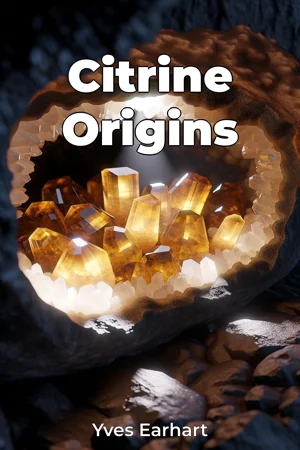
Have you ever wondered how a gemstone attains its vibrant, golden hue? "Citrine Origins" delves into the fascinating geological processes behind the formation of citrine, a variety of quartz celebrated for its warm, yellow coloration and its prevalence in jewelry. This book explores not only the origins of citrine but also the scientific principles that govern its creation, the geological contexts in which it is found, and the human influence on its production. Understanding these facets of citrine sheds light on broader geological phenomena and the interplay between natural processes and human intervention in gem production. This book’s central argument is that the formation of natural citrine is a complex, multifaceted process primarily driven by heat-induced transformations within iron-containing amethystine quartz and other quartz variants. While natural citrine is relatively rare, understanding its formation is essential because it provides valuable insights into hydrothermal activity, geochemical processes within the Earth's crust, and the factors that contribute to the coloration of various minerals. Moreover, this knowledge is critical for distinguishing natural citrine from heat-treated amethyst, which dominates the citrine market. The book begins by providing an introduction to the world of quartz minerals, focusing on their chemical composition, crystal structure, and the range of colors they exhibit. We then delve into how heat treatment transforms amethyst, a purple variety of quartz, into citrine. This transformation involves the reduction of iron impurities within the quartz crystal lattice. Geochemical conditions such as temperature, pressure, and the presence of specific elements play crucial roles and are discussed in detail. The book then explores the geological environments where natural citrine is found, most notably in association with volcanic and geothermal activity. Specific mining locations and geological formations known for producing citrine are examined, highlighting the unique conditions that favor its formation in those areas. Case studies will illustrate examples from both well-known and lesser-known citrine localities around the world. Further chapters delve into the differentiation of natural and heat-treated citrine. We explore the laboratory techniques used for identification, including spectroscopic analysis, microscopic analysis, and the examination of growth patterns within the crystals. The book addresses the ethical implications surrounding the identification and labeling of citrine, especially in the gemstone industry. We examine the historical significance of citrine, its use in jewelry throughout different eras, and its cultural associations. The book also considers the economic impact of citrine on the gem and mineral trade. The evidence presented draws from geological surveys, mineralogical reports, historical records, and market analyses. Original data from geological surveys are also incorporated. This book also touches upon the fields of mineralogy, geochemistry, economic geology, and art history. The formation process of citrine, for instance, is relevant to understanding hydrothermal ore deposits, while its use in jewelry connects to the history of art and design. "Citrine Origins" adopts a fact-based, scientific yet accessible approach to presenting information. The writing style is informative, precise, and engaging, aiming to cater to a wide audience, including geology enthusiasts, gemologists, mineral collectors, and students. While the book focuses primarily on the geological origins and identification of citrine, it does not delve deeply into the intricacies of gemstone cutting or jewelry design. The book provides practical knowledge for identifying citrine, understanding its value, and appreciating its geological origin. Finally, the book addresses ongoing debates within the gemological community regarding the precise definition of "natural" citrine and the acceptability of certain heat treatment methods. "Citrine Origins" offers a comprehensive scientific perspective on the formation, identification, and significance of this sought-after gemstone.
Have you ever wondered how a gemstone attains its vibrant, golden hue? "Citrine Origins" delves into the fascinating geological processes behind the formation of citrine, a variety of quartz celebrated for its warm, yellow coloration and its prevalence in jewelry. This book explores not only the origins of citrine but also the scientific principles that govern its creation, the geological contexts in which it is found, and the human influence on its production. Understanding these facets of citrine sheds light on broader geological phenomena and the interplay between natural processes and human intervention in gem production. This book’s central argument is that the formation of natural citrine is a complex, multifaceted process primarily driven by heat-induced transformations within iron-containing amethystine quartz and other quartz variants. While natural citrine is relatively rare, understanding its formation is essential because it provides valuable insights into hydrothermal activity, geochemical processes within the Earth's crust, and the factors that contribute to the coloration of various minerals. Moreover, this knowledge is critical for distinguishing natural citrine from heat-treated amethyst, which dominates the citrine market. The book begins by providing an introduction to the world of quartz minerals, focusing on their chemical composition, crystal structure, and the range of colors they exhibit. We then delve into how heat treatment transforms amethyst, a purple variety of quartz, into citrine. This transformation involves the reduction of iron impurities within the quartz crystal lattice. Geochemical conditions such as temperature, pressure, and the presence of specific elements play crucial roles and are discussed in detail. The book then explores the geological environments where natural citrine is found, most notably in association with volcanic and geothermal activity. Specific mining locations and geological formations known for producing citrine are examined, highlighting the unique conditions that favor its formation in those areas. Case studies will illustrate examples from both well-known and lesser-known citrine localities around the world. Further chapters delve into the differentiation of natural and heat-treated citrine. We explore the laboratory techniques used for identification, including spectroscopic analysis, microscopic analysis, and the examination of growth patterns within the crystals. The book addresses the ethical implications surrounding the identification and labeling of citrine, especially in the gemstone industry. We examine the historical significance of citrine, its use in jewelry throughout different eras, and its cultural associations. The book also considers the economic impact of citrine on the gem and mineral trade. The evidence presented draws from geological surveys, mineralogical reports, historical records, and market analyses. Original data from geological surveys are also incorporated. This book also touches upon the fields of mineralogy, geochemistry, economic geology, and art history. The formation process of citrine, for instance, is relevant to understanding hydrothermal ore deposits, while its use in jewelry connects to the history of art and design. "Citrine Origins" adopts a fact-based, scientific yet accessible approach to presenting information. The writing style is informative, precise, and engaging, aiming to cater to a wide audience, including geology enthusiasts, gemologists, mineral collectors, and students. While the book focuses primarily on the geological origins and identification of citrine, it does not delve deeply into the intricacies of gemstone cutting or jewelry design. The book provides practical knowledge for identifying citrine, understanding its value, and appreciating its geological origin. Finally, the book addresses ongoing debates within the gemological community regarding the precise definition of "natural" citrine and the acceptability of certain heat treatment methods. "Citrine Origins" offers a comprehensive scientific perspective on the formation, identification, and significance of this sought-after gemstone.
"Citrine Origins" explores the geological processes behind the formation of citrine, the golden-hued quartz gemstone. It delves into the science that governs its creation, the geological contexts where it's found, and the human influence on its production. Understanding citrine formation offers insights into hydrothermal activity and geochemical processes deep within the Earth's crust. The book highlights how natural citrine's formation is driven by heat-induced transformations within iron-containing quartz, distinguishing it from heat-treated amethyst, a common market alternative. The book begins with an overview of quartz minerals, their composition, and color variations before exploring how heat transforms amethyst into citrine, involving the reduction of iron impurities. It then examines geological environments, such as volcanic and geothermal areas, where natural citrine is found, using case studies from various global locations. Later chapters focus on differentiating natural from heat-treated citrine using lab techniques like spectroscopic and microscopic analysis. The book also touches on citrine's historical significance, its use in jewelry, and its impact on the gem trade. "Citrine Origins" takes a fact-based, accessible approach, catering to geology enthusiasts, gemologists, and mineral collectors. The book progresses systematically, starting with basic mineralogy and geochemistry, moving to specific geological settings, and concluding with identification techniques and ethical considerations. By understanding citrine, readers gain insight into broader geological phenomena and the interplay between natural processes and human intervention in gem production.
Book Details
ISBN
9788233983192
Publisher
Publifye AS
Your Licenses
You don't own any licenses for this book
Purchase a license below to unlock this book and download the EPUB.
Purchase License
Select a tier to unlock this book
Need bulk licensing?
Contact us for enterprise agreements.