
About This Book
Have you ever wondered about the silent architects of our coastal landscapes, those subtle forces responsible for shaping the rich tapestry of marshlands? "Marshland Birth" unveils the intricate processes behind marsh formation within wetland ecosystems and underscores their indispensable role in maintaining ecological balance. This book delves into the natural history, scientific underpinnings, and environmental significance of these often-overlooked habitats. We explore two critical topics: the dynamic interplay of sediment deposition, hydrological flow, and plant colonization that leads to marsh genesis, and the vital functions marshes perform, particularly water filtration and wildlife habitat provision. Understanding these mechanisms is more important than ever, as coastal regions face increasing pressures from climate change, pollution, and human development. The book provides essential context by examining the geological history of coastal wetlands, showing how sea-level fluctuations, riverine inputs, and tectonic activity have influenced marsh development over millennia. We address fundamental concepts such as tidal regimes, salinity gradients, and the ecological adaptations of marsh plants, ensuring the reader possesses the necessary foundation to grasp the complexities of marsh ecosystems. Our central argument posits that marshlands are not merely passive recipients of environmental forces but active agents in shaping coastal landscapes and buffering against environmental change. We demonstrate how these ecosystems act as natural filters, removing pollutants and excess nutrients from water, and how they provide critical habitat for a diverse array of species, from migratory birds to commercially important fish. "Marshland Birth" is structured to guide the reader through a comprehensive exploration. It begins with an introduction to the fundamental concepts of wetland ecology and marsh formation. The book then develops these ideas through three major sections. The first details the physical and chemical processes governing marsh development, including sediment accretion, nutrient cycling, and the influence of saltwater intrusion. The second explores the ecological roles of marsh plants and animals, focusing on species interactions, food web dynamics, and the provision of ecosystem services. The third examines the threats facing marshlands, such as sea-level rise, pollution, and habitat fragmentation, and proposes strategies for effective conservation and restoration. The book culminates by emphasizing the practical implications of marsh research for coastal management, highlighting the importance of integrating ecological principles into policy decisions. Throughout the book, we present diverse evidence from field studies, laboratory experiments, and remote sensing data to support our arguments. We draw upon long-term ecological monitoring programs and employ cutting-edge techniques in geospatial analysis to gain a holistic understanding of marsh dynamics. We will also provide case studies from various geographic regions to illustrate commonalities and differences in marsh formation and function. "Marshland Birth" bridges several disciplines, including geology, hydrology, ecology, and environmental science. By integrating these perspectives, we offer a nuanced understanding of marsh ecosystems and their role in the broader Earth system. The book also connects to policy and planning, demonstrating how scientific knowledge can inform effective coastal management strategies. This book stands out by adopting a systems-thinking approach, emphasizing the interconnectedness of physical, chemical, and biological processes within marsh ecosystems. It also incorporates the latest research on climate change impacts and offers insights into resilience-based management strategies. The tone is informative and accessible, blending scientific rigor with clear prose to engage a broad audience. While comprehensive, the writing is designed to be understandable for those with a general interest in environmental science. The target audience includes undergraduate and graduate students in environmental science, ecology, and geography, as well as resource managers, policymakers, and anyone interested in coastal conservation. The book provides a valuable resource for understanding the complex dynamics of marshland ecosystems and the importance of protecting these vital habitats. As a work of environmental non-fiction, "Marshland Birth" adheres to the conventions of accuracy, objectivity, and evidence-based reasoning. It presents information in a clear and concise manner, supported by thorough citations and references. The book's scope is limited to the formation and ecological functions of coastal marshes, with a focus on temperate and subtropical regions. While it acknowledges the importance of other wetland types, such as freshwater marshes and mangrove swamps, these are not the primary focus. The information presented in "Marshland Birth" has numerous real-world applications, including guiding coastal restoration projects, informing land-use planning decisions, and developing strategies for adapting to sea-level rise. By providing a comprehensive understanding of marsh dynamics, the book empowers readers to become informed stewards of coastal environments. The book also addresses ongoing debates in the field, such as the effectiveness of different marsh restoration techniques and the optimal strategies for mitigating the impacts of climate change. By presenting diverse perspectives and critically evaluating the available evidence, "Marshland Birth" contributes to a more informed and nuanced discussion of these pressing issues.
Have you ever wondered about the silent architects of our coastal landscapes, those subtle forces responsible for shaping the rich tapestry of marshlands? "Marshland Birth" unveils the intricate processes behind marsh formation within wetland ecosystems and underscores their indispensable role in maintaining ecological balance. This book delves into the natural history, scientific underpinnings, and environmental significance of these often-overlooked habitats. We explore two critical topics: the dynamic interplay of sediment deposition, hydrological flow, and plant colonization that leads to marsh genesis, and the vital functions marshes perform, particularly water filtration and wildlife habitat provision. Understanding these mechanisms is more important than ever, as coastal regions face increasing pressures from climate change, pollution, and human development. The book provides essential context by examining the geological history of coastal wetlands, showing how sea-level fluctuations, riverine inputs, and tectonic activity have influenced marsh development over millennia. We address fundamental concepts such as tidal regimes, salinity gradients, and the ecological adaptations of marsh plants, ensuring the reader possesses the necessary foundation to grasp the complexities of marsh ecosystems. Our central argument posits that marshlands are not merely passive recipients of environmental forces but active agents in shaping coastal landscapes and buffering against environmental change. We demonstrate how these ecosystems act as natural filters, removing pollutants and excess nutrients from water, and how they provide critical habitat for a diverse array of species, from migratory birds to commercially important fish. "Marshland Birth" is structured to guide the reader through a comprehensive exploration. It begins with an introduction to the fundamental concepts of wetland ecology and marsh formation. The book then develops these ideas through three major sections. The first details the physical and chemical processes governing marsh development, including sediment accretion, nutrient cycling, and the influence of saltwater intrusion. The second explores the ecological roles of marsh plants and animals, focusing on species interactions, food web dynamics, and the provision of ecosystem services. The third examines the threats facing marshlands, such as sea-level rise, pollution, and habitat fragmentation, and proposes strategies for effective conservation and restoration. The book culminates by emphasizing the practical implications of marsh research for coastal management, highlighting the importance of integrating ecological principles into policy decisions. Throughout the book, we present diverse evidence from field studies, laboratory experiments, and remote sensing data to support our arguments. We draw upon long-term ecological monitoring programs and employ cutting-edge techniques in geospatial analysis to gain a holistic understanding of marsh dynamics. We will also provide case studies from various geographic regions to illustrate commonalities and differences in marsh formation and function. "Marshland Birth" bridges several disciplines, including geology, hydrology, ecology, and environmental science. By integrating these perspectives, we offer a nuanced understanding of marsh ecosystems and their role in the broader Earth system. The book also connects to policy and planning, demonstrating how scientific knowledge can inform effective coastal management strategies. This book stands out by adopting a systems-thinking approach, emphasizing the interconnectedness of physical, chemical, and biological processes within marsh ecosystems. It also incorporates the latest research on climate change impacts and offers insights into resilience-based management strategies. The tone is informative and accessible, blending scientific rigor with clear prose to engage a broad audience. While comprehensive, the writing is designed to be understandable for those with a general interest in environmental science. The target audience includes undergraduate and graduate students in environmental science, ecology, and geography, as well as resource managers, policymakers, and anyone interested in coastal conservation. The book provides a valuable resource for understanding the complex dynamics of marshland ecosystems and the importance of protecting these vital habitats. As a work of environmental non-fiction, "Marshland Birth" adheres to the conventions of accuracy, objectivity, and evidence-based reasoning. It presents information in a clear and concise manner, supported by thorough citations and references. The book's scope is limited to the formation and ecological functions of coastal marshes, with a focus on temperate and subtropical regions. While it acknowledges the importance of other wetland types, such as freshwater marshes and mangrove swamps, these are not the primary focus. The information presented in "Marshland Birth" has numerous real-world applications, including guiding coastal restoration projects, informing land-use planning decisions, and developing strategies for adapting to sea-level rise. By providing a comprehensive understanding of marsh dynamics, the book empowers readers to become informed stewards of coastal environments. The book also addresses ongoing debates in the field, such as the effectiveness of different marsh restoration techniques and the optimal strategies for mitigating the impacts of climate change. By presenting diverse perspectives and critically evaluating the available evidence, "Marshland Birth" contributes to a more informed and nuanced discussion of these pressing issues.
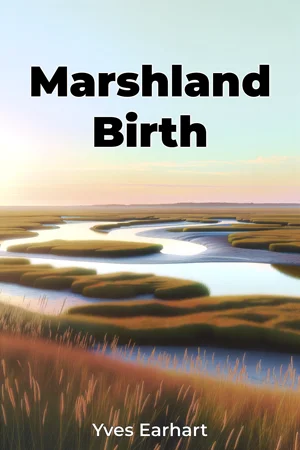
"Marshland Birth" explores the captivating origins and ecological importance of marshlands, those unassuming yet vital coastal wetland ecosystems. The book reveals how these landscapes emerge through a delicate balance of sediment deposition, water flow, and plant life, acting as critical habitats for diverse wildlife and providing natural water filtration. Marshes actively shape coastal landscapes and buffer against environmental changes, making their study crucial in an era of increasing environmental challenges. The book takes a comprehensive approach, guiding readers through fundamental concepts of wetland ecology and marsh formation before examining the physical and chemical processes at play, like nutrient cycling and saltwater intrusion. It then explores the ecological roles of marsh plants and animals and concludes by addressing threats such as sea-level rise and pollution, proposing conservation strategies. This Earth Sciences and Geography perspective highlights the importance of integrating ecological principles into environmental policy.
Book Details
ISBN
9788233983178
Publisher
Publifye AS
Your Licenses
You don't own any licenses for this book
Purchase a license below to unlock this book and download the EPUB.
Purchase License
Select a tier to unlock this book
Need bulk licensing?
Contact us for enterprise agreements.