
About This Book
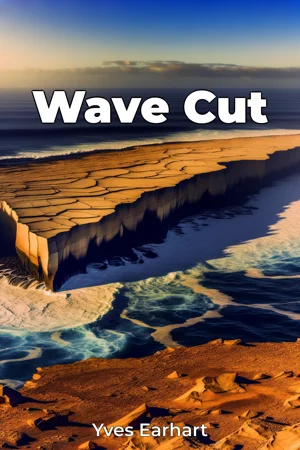
Have you ever stood at the edge of the ocean, gazing at a seemingly flat, rocky platform stretching out into the sea, and wondered how such a landscape came to be? "Wave Cut" delves into the fascinating geological processes behind the formation of wave-cut platforms, those striking coastal features that reveal Earth's history etched in stone. This book explores the intricate interplay of erosion, sea-level changes, and geological structures that sculpt these dramatic coastal landscapes, offering a comprehensive understanding of their origins and significance. Studying wave-cut platforms is crucial because they provide invaluable insights into past sea levels, coastal erosion rates, and the long-term effects of wave action on shorelines. Understanding the creation of wave-cut platforms requires knowledge of coastal geomorphology, including wave dynamics, tidal influences, and the resistance of various rock types to erosion. "Wave Cut" will first establish a firm foundation in these principles, ensuring that readers can grasp the complex interactions at play. We begin by exploring the fundamental processes of wave erosion, detailing how waves, laden with sediment, act as both relentless grinders and powerful hydraulic forces. This includes discussions of abrasion, hydraulic action, and the role of solution in weakening coastal rocks. The book is structured around a clear progression of ideas. First, the introduction will define wave-cut platforms, detailing their characteristic features and global distribution. We then move into the core mechanics of their formation in three key chapters. The first of these will discuss the role of wave action, specifically focusing on the processes of erosion. The second will examine the influence of sea-level changes, explaining how both relative sea-level rise and fall contribute to the formation and exposure of these platforms. The third delves into the geological context, analyzing how rock type, structure (faults, folds, and bedding planes), and the presence of pre-existing weaknesses influence platform development. The book culminates with a discussion of the implications of wave-cut platforms for coastal management and hazard assessment. An important topic will discuss how these landforms serve as natural archives of coastal change, offering valuable data for predicting future shoreline evolution. "Wave Cut" draws upon extensive field observations, laboratory experiments, and numerical modeling studies to support its arguments. The book will present data from diverse coastal environments worldwide, including examples from the rocky coastlines of California, the British Isles, and Australia. Unique data sources, such as high-resolution topographic surveys and historical sea-level records, will be integrated to provide a robust understanding of platform development over various timescales. The study of wave-cut platforms extends beyond geology, connecting with fields such as oceanography (wave dynamics), climate science (sea-level changes), and engineering (coastal protection). By integrating these perspectives, "Wave Cut" offers a holistic understanding of these complex systems. The book adopts an analytical, fact-based tone, presenting information in a clear and logical manner. The writing style is accessible to a broad audience, assuming some background in Earth Sciences, but avoiding overly technical jargon. "Wave Cut" is aimed at students and researchers in geology, geography, environmental science, and coastal engineering, as well as anyone interested in the dynamic processes shaping our coastlines. Coastal managers and policymakers will also find this book valuable for understanding coastal erosion hazards and developing sustainable management strategies. The scope of "Wave Cut" is intentionally focused on the formation and evolution of wave-cut platforms, with less emphasis on other coastal landforms such as beaches and dunes. The book’s insights into coastal erosion and sea-level changes have practical applications in managing coastal hazards, predicting shoreline retreat, and designing effective coastal protection structures. The book will also address ongoing debates surrounding the relative importance of different erosional processes and the influence of human activities on coastal erosion rates. "Wave Cut" offers not just a scientific explanation, but a perspective shift, encouraging readers to view the coast as a dynamic, ever-changing zone where the forces of nature are constantly at work.
Have you ever stood at the edge of the ocean, gazing at a seemingly flat, rocky platform stretching out into the sea, and wondered how such a landscape came to be? "Wave Cut" delves into the fascinating geological processes behind the formation of wave-cut platforms, those striking coastal features that reveal Earth's history etched in stone. This book explores the intricate interplay of erosion, sea-level changes, and geological structures that sculpt these dramatic coastal landscapes, offering a comprehensive understanding of their origins and significance. Studying wave-cut platforms is crucial because they provide invaluable insights into past sea levels, coastal erosion rates, and the long-term effects of wave action on shorelines. Understanding the creation of wave-cut platforms requires knowledge of coastal geomorphology, including wave dynamics, tidal influences, and the resistance of various rock types to erosion. "Wave Cut" will first establish a firm foundation in these principles, ensuring that readers can grasp the complex interactions at play. We begin by exploring the fundamental processes of wave erosion, detailing how waves, laden with sediment, act as both relentless grinders and powerful hydraulic forces. This includes discussions of abrasion, hydraulic action, and the role of solution in weakening coastal rocks. The book is structured around a clear progression of ideas. First, the introduction will define wave-cut platforms, detailing their characteristic features and global distribution. We then move into the core mechanics of their formation in three key chapters. The first of these will discuss the role of wave action, specifically focusing on the processes of erosion. The second will examine the influence of sea-level changes, explaining how both relative sea-level rise and fall contribute to the formation and exposure of these platforms. The third delves into the geological context, analyzing how rock type, structure (faults, folds, and bedding planes), and the presence of pre-existing weaknesses influence platform development. The book culminates with a discussion of the implications of wave-cut platforms for coastal management and hazard assessment. An important topic will discuss how these landforms serve as natural archives of coastal change, offering valuable data for predicting future shoreline evolution. "Wave Cut" draws upon extensive field observations, laboratory experiments, and numerical modeling studies to support its arguments. The book will present data from diverse coastal environments worldwide, including examples from the rocky coastlines of California, the British Isles, and Australia. Unique data sources, such as high-resolution topographic surveys and historical sea-level records, will be integrated to provide a robust understanding of platform development over various timescales. The study of wave-cut platforms extends beyond geology, connecting with fields such as oceanography (wave dynamics), climate science (sea-level changes), and engineering (coastal protection). By integrating these perspectives, "Wave Cut" offers a holistic understanding of these complex systems. The book adopts an analytical, fact-based tone, presenting information in a clear and logical manner. The writing style is accessible to a broad audience, assuming some background in Earth Sciences, but avoiding overly technical jargon. "Wave Cut" is aimed at students and researchers in geology, geography, environmental science, and coastal engineering, as well as anyone interested in the dynamic processes shaping our coastlines. Coastal managers and policymakers will also find this book valuable for understanding coastal erosion hazards and developing sustainable management strategies. The scope of "Wave Cut" is intentionally focused on the formation and evolution of wave-cut platforms, with less emphasis on other coastal landforms such as beaches and dunes. The book’s insights into coastal erosion and sea-level changes have practical applications in managing coastal hazards, predicting shoreline retreat, and designing effective coastal protection structures. The book will also address ongoing debates surrounding the relative importance of different erosional processes and the influence of human activities on coastal erosion rates. "Wave Cut" offers not just a scientific explanation, but a perspective shift, encouraging readers to view the coast as a dynamic, ever-changing zone where the forces of nature are constantly at work.
"Wave Cut" explores the captivating world of wave-cut platforms, those intriguing coastal landforms that act as records of Earth's history. The book delves into the geological processes shaping these platforms, emphasizing the interplay between coastal erosion, sea-level changes, and the underlying geology. By studying these features, scientists gain insights into past sea levels and rates of coastal erosion, critical for understanding shoreline evolution. One intriguing aspect covered is how different rock types respond to wave action, influencing the platform's development. The book begins by establishing a foundation in coastal geomorphology and wave dynamics, explaining how waves, armed with sediment, relentlessly erode coastlines. It then progresses through the key factors involved in platform formation, including wave action, sea-level fluctuations, and geological context. "Wave Cut" differentiates itself by integrating field observations, laboratory experiments, and numerical modeling to provide a comprehensive understanding. The book's focus on wave-cut platforms offers valuable insights for coastal management and hazard assessment, providing a valuable resource for students, researchers, and policymakers alike.
Book Details
ISBN
9788233983031
Publisher
Publifye AS
Your Licenses
You don't own any licenses for this book
Purchase a license below to unlock this book and download the EPUB.
Purchase License
Select a tier to unlock this book
Need bulk licensing?
Contact us for enterprise agreements.