
About This Book
Have you ever wondered how some of the most dramatic and breathtaking landscapes on Earth were formed? 'Fjord Formation' delves into the fascinating story of how glaciers sculpt the Earth, specifically focusing on the creation of fjords: those deep, narrow inlets of the sea bordered by steep cliffs. This book explores the intricate interplay between ice, rock, and water, revealing the processes that carve these iconic landforms and the unique ecosystems they harbor. This book examines three critical aspects of fjord formation: the glacial processes responsible for carving the U-shaped valleys that become fjords, the geological factors that influence where fjords form and their specific characteristics, and the post-glacial processes that continue to shape these dynamic environments. Understanding these processes is crucial for comprehending not only the beauty but also the fragility of these environments, particularly in the face of a changing climate. The formation of fjords is a complex story rooted in the Ice Age, a period of dramatic glacial expansion and retreat. To fully grasp fjord formation, it's essential to understand basic glaciology, including how glaciers accumulate ice, move under immense pressure, and erode underlying rock. We'll explore the mechanics of glacial erosion, including abrasion and plucking, and how these processes differ from river erosion to create the distinctive U-shaped profiles of fjords. 'Fjord Formation' argues that fjords are not simply the result of glacial erosion but are also heavily influenced by pre-existing geological structures such as fault lines and the type of bedrock present. Furthermore, the book highlights the ongoing importance of post-glacial processes like sedimentation, isostatic rebound (the land rising after the weight of the ice is removed), and sea-level changes in shaping modern fjord landscapes and ecosystems. This argument is important because it challenges simplified views of fjord formation, emphasizing the interplay between long-term geological history and ongoing environmental processes. The book begins by introducing the key concepts of glacial geology and fjord morphology. We then delve into the glacial processes of erosion and deposition, examining the specific mechanisms by which glaciers carve deep valleys and transport sediment. Subsequent chapters explore the geological controls on fjord formation, analyzing how bedrock type, fault lines, and tectonic activity influence fjord location and shape. The book culminates with a discussion of post-glacial processes and their impact on fjord ecosystems, addressing the effects of climate change, sea-level rise, and human activities. Finally, we examine the practical implications of understanding fjord formation, from predicting the impact of climate change on fjord ecosystems to utilizing geological data for resource management and hazard assessment. The arguments presented in this book are supported by a wide range of evidence, including geological surveys, bathymetric data (mapping the depth of the ocean), sediment core analysis, and remote sensing imagery. The book also draws on case studies from various fjord regions around the world, including Norway, Alaska, Chile, and New Zealand, to illustrate the diversity of fjord landscapes and the common processes that shape them. A unique aspect of the research is the integration of historical data, such as old nautical charts and explorers' journals, to reconstruct past glacial activity and sea-level changes. 'Fjord Formation' connects to several other fields of study. First, it is linked to climate science through its examination of the impact of climate change on glacial melt and sea-level rise, which directly affects fjord ecosystems and coastal communities. Second, it connects to oceanography through its analysis of fjord hydrodynamics, including the circulation of water, the distribution of nutrients, and the impact of freshwater runoff on marine life. Finally, it relates to environmental science through its assessment of the ecological impacts of human activities, such as fishing, tourism, and pollution, on fjord environments. This book stands out due to its holistic approach, which integrates glacial geology, geomorphology, oceanography, and ecology to provide a comprehensive understanding of fjord formation and evolution. It also emphasizes the importance of considering both long-term geological processes and contemporary environmental changes in managing and conserving these valuable ecosystems. The writing style is accessible to a broad audience with an interest in Earth sciences, geography, and environmental issues. While grounded in scientific principles, the book avoids overly technical jargon and uses clear language to explain complex processes. The target audience includes students and researchers in geology, geography, environmental science, and oceanography, as well as anyone interested in learning more about the formation and evolution of these dramatic landscapes. The book would be valuable to them because it provides a comprehensive and up-to-date overview of the science behind fjord formation, highlighting the importance of these environments and the challenges they face in a changing world. As a work in the Earth Sciences Geography genre, the book adheres to the conventions of presenting factual information supported by evidence, using maps, diagrams, and photographs to illustrate key concepts. The scope of "Fjord Formation" is limited to the processes involved in the geological creation and evolution of fjords. It does not delve into the detailed social and economic impacts related to fjord regions, focusing primarily on the physical and environmental sciences. Understanding fjord formation has real-world applications in several areas. It can help us predict the impact of climate change on fjord ecosystems, develop sustainable tourism practices, and manage natural resources in fjord regions. It can also inform hazard assessments, such as predicting the risk of landslides and tsunamis in fjord environments. While the basic principles of glacial erosion are well-established, there are ongoing debates about the relative importance of different erosional processes and the specific factors that control the rate of fjord formation. This book addresses these debates by presenting different perspectives and highlighting areas where further research is needed.
Have you ever wondered how some of the most dramatic and breathtaking landscapes on Earth were formed? 'Fjord Formation' delves into the fascinating story of how glaciers sculpt the Earth, specifically focusing on the creation of fjords: those deep, narrow inlets of the sea bordered by steep cliffs. This book explores the intricate interplay between ice, rock, and water, revealing the processes that carve these iconic landforms and the unique ecosystems they harbor. This book examines three critical aspects of fjord formation: the glacial processes responsible for carving the U-shaped valleys that become fjords, the geological factors that influence where fjords form and their specific characteristics, and the post-glacial processes that continue to shape these dynamic environments. Understanding these processes is crucial for comprehending not only the beauty but also the fragility of these environments, particularly in the face of a changing climate. The formation of fjords is a complex story rooted in the Ice Age, a period of dramatic glacial expansion and retreat. To fully grasp fjord formation, it's essential to understand basic glaciology, including how glaciers accumulate ice, move under immense pressure, and erode underlying rock. We'll explore the mechanics of glacial erosion, including abrasion and plucking, and how these processes differ from river erosion to create the distinctive U-shaped profiles of fjords. 'Fjord Formation' argues that fjords are not simply the result of glacial erosion but are also heavily influenced by pre-existing geological structures such as fault lines and the type of bedrock present. Furthermore, the book highlights the ongoing importance of post-glacial processes like sedimentation, isostatic rebound (the land rising after the weight of the ice is removed), and sea-level changes in shaping modern fjord landscapes and ecosystems. This argument is important because it challenges simplified views of fjord formation, emphasizing the interplay between long-term geological history and ongoing environmental processes. The book begins by introducing the key concepts of glacial geology and fjord morphology. We then delve into the glacial processes of erosion and deposition, examining the specific mechanisms by which glaciers carve deep valleys and transport sediment. Subsequent chapters explore the geological controls on fjord formation, analyzing how bedrock type, fault lines, and tectonic activity influence fjord location and shape. The book culminates with a discussion of post-glacial processes and their impact on fjord ecosystems, addressing the effects of climate change, sea-level rise, and human activities. Finally, we examine the practical implications of understanding fjord formation, from predicting the impact of climate change on fjord ecosystems to utilizing geological data for resource management and hazard assessment. The arguments presented in this book are supported by a wide range of evidence, including geological surveys, bathymetric data (mapping the depth of the ocean), sediment core analysis, and remote sensing imagery. The book also draws on case studies from various fjord regions around the world, including Norway, Alaska, Chile, and New Zealand, to illustrate the diversity of fjord landscapes and the common processes that shape them. A unique aspect of the research is the integration of historical data, such as old nautical charts and explorers' journals, to reconstruct past glacial activity and sea-level changes. 'Fjord Formation' connects to several other fields of study. First, it is linked to climate science through its examination of the impact of climate change on glacial melt and sea-level rise, which directly affects fjord ecosystems and coastal communities. Second, it connects to oceanography through its analysis of fjord hydrodynamics, including the circulation of water, the distribution of nutrients, and the impact of freshwater runoff on marine life. Finally, it relates to environmental science through its assessment of the ecological impacts of human activities, such as fishing, tourism, and pollution, on fjord environments. This book stands out due to its holistic approach, which integrates glacial geology, geomorphology, oceanography, and ecology to provide a comprehensive understanding of fjord formation and evolution. It also emphasizes the importance of considering both long-term geological processes and contemporary environmental changes in managing and conserving these valuable ecosystems. The writing style is accessible to a broad audience with an interest in Earth sciences, geography, and environmental issues. While grounded in scientific principles, the book avoids overly technical jargon and uses clear language to explain complex processes. The target audience includes students and researchers in geology, geography, environmental science, and oceanography, as well as anyone interested in learning more about the formation and evolution of these dramatic landscapes. The book would be valuable to them because it provides a comprehensive and up-to-date overview of the science behind fjord formation, highlighting the importance of these environments and the challenges they face in a changing world. As a work in the Earth Sciences Geography genre, the book adheres to the conventions of presenting factual information supported by evidence, using maps, diagrams, and photographs to illustrate key concepts. The scope of "Fjord Formation" is limited to the processes involved in the geological creation and evolution of fjords. It does not delve into the detailed social and economic impacts related to fjord regions, focusing primarily on the physical and environmental sciences. Understanding fjord formation has real-world applications in several areas. It can help us predict the impact of climate change on fjord ecosystems, develop sustainable tourism practices, and manage natural resources in fjord regions. It can also inform hazard assessments, such as predicting the risk of landslides and tsunamis in fjord environments. While the basic principles of glacial erosion are well-established, there are ongoing debates about the relative importance of different erosional processes and the specific factors that control the rate of fjord formation. This book addresses these debates by presenting different perspectives and highlighting areas where further research is needed.
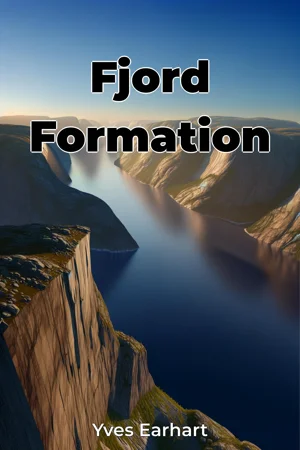
"Fjord Formation" explores the captivating origins of fjords, those stunning, steep-sided inlets carved by glacial activity. It reveals how the immense power of ice reshapes the Earth, emphasizing the interplay between glacial processes, geological structures, and subsequent environmental changes. One intriguing fact is that fjords aren't solely products of glacial erosion; pre-existing fault lines and bedrock types significantly dictate their location and characteristics. The book further argues that post-glacial processes like isostatic rebound continue to mold these dynamic landscapes. The book approaches the topic by first introducing glacial geology and fjord morphology. It then examines the specific mechanisms by which glaciers erode and deposit sediment. Subsequent chapters explore the geological influences and conclude with a discussion of post-glacial processes and their impact on fjord ecosystems. Through geological surveys and case studies from around the globe, the book illustrates the diversity of fjord landscapes, highlighting the importance of glacial geology, geomorphology, and climate change.
Book Details
ISBN
9788233983024
Publisher
Publifye AS
Your Licenses
You don't own any licenses for this book
Purchase a license below to unlock this book and download the EPUB.
Purchase License
Select a tier to unlock this book
Need bulk licensing?
Contact us for enterprise agreements.