
About This Book
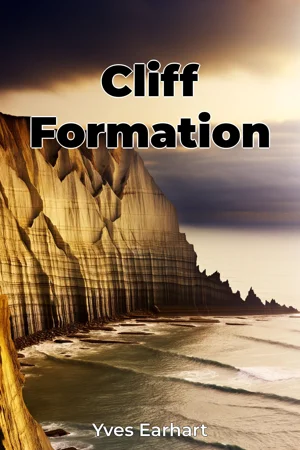
Have you ever stood at the edge of a cliff, mesmerized by its imposing height and the relentless power of the ocean crashing below? This book, *Cliff Formation*, delves into the captivating processes that sculpt these dramatic landforms, exploring the interplay of erosion, tectonic forces, and geological history that give rise to breathtaking coastal landscapes. Our exploration rests on the disciplines of Nature, Earth Sciences, and Geography, providing a wide-ranging and interconnected analysis. This book examines two primary mechanisms responsible for cliff formation: coastal erosion, focusing on weathering, abrasion, and hydraulic action, and tectonic uplift, which elevates landmasses, exposing them to the elements. Understanding these processes is vital for comprehending coastal geomorphology, predicting coastal hazards, and appreciating the dynamic nature of our planet. We will also investigate the role of sea-level changes, both past and present, in shaping cliff lines. To fully appreciate cliff formation, we will delve into the geological timescales involved, examining how millions of years of erosional and tectonic activity have shaped coastlines worldwide. Readers will benefit from a basic familiarity with geological principles such as rock types, faulting, and weathering processes, but these concepts will be thoroughly explained as they arise. The central argument of *Cliff Formation* is that cliffs are not static features but are dynamic expressions of the ongoing battle between constructive tectonic forces and destructive erosional processes. This dynamic perspective is essential for coastal management, infrastructure planning, and understanding the long-term evolution of coastlines. The book emphasizes that cliffs are archives of geological and environmental history, providing valuable insights into past sea levels, climate change, and tectonic activity. The book's structure begins with an introduction to the fundamental concepts of coastal erosion and tectonic uplift. It progresses through detailed analyses of specific erosional processes (hydraulic action, abrasion, solution, and attrition), various types of cliffs (e.g., sea cliffs, lake cliffs), and the influence of rock type and geological structure on cliff morphology. Through case studies of well-known cliff systems around the world, such as the White Cliffs of Dover and the cliffs of the Big Sur coastline, the book culminates in a discussion of the implications of cliff formation for coastal communities. The evidence presented will draw upon a wealth of geological surveys, scientific literature, topographic maps, aerial photographs, and satellite imagery. Quantitative data, such as rates of erosion and uplift, will be incorporated to illustrate the magnitude of these processes. Unique data sources, including LiDAR (Light Detection and Ranging) surveys and historical coastal maps, will be used to demonstrate coastal changes over time with a high degree of precision. This study links earth sciences with environmental science, examining the effects of cliff erosion on habitat loss and marine ecosystems. There are also connections to civil engineering, where our understanding of cliff stability is critical for designing coastal defenses and infrastructure. And the scenic value of cliffs connects to tourism. *Cliff Formation* offers an original synthesis of existing research, emphasizing the interplay between erosion and tectonic activity as the primary drivers of cliff evolution. It provides a comprehensive, scientifically grounded framework for understanding these iconic landforms, moving beyond descriptive accounts to offer a deep understanding of how geological and environmental forces interact to create cliffs. The tone is informative, objective, and accessible to a broad audience, avoiding jargon where possible and providing clear explanations of technical terms. The writing style aims to be engaging and stimulating, with real-world examples and visualizations to enhance reader understanding. The target audience includes students of geology, geography, environmental science, and coastal engineering, as well as anyone with an interest in understanding the natural world. The book's wealth of information, combined with its clear and engaging presentation, makes it an excellent resource for both academic and general readers. As a work of non-fiction within the Earth Sciences, this book focuses on presenting established scientific knowledge and theories regarding cliff formation. While acknowledging ongoing research and areas of uncertainty, we do not engage in speculative or unverified claims. The book's scope is geographically broad, covering cliff formation processes in diverse environments around the world. However, it primarily focuses on the geological and geomorphological aspects of cliff formation, with limited discussion of human impacts beyond coastal development. The knowledge gained from this book has practical applications for coastal management, hazard assessment, and infrastructure planning. By understanding the processes of cliff erosion and tectonic uplift, we can better predict coastal hazards, mitigate risks to coastal communities, and manage coastal resources sustainably. While the fundamental processes of cliff formation are well-established, there are ongoing debates regarding the relative importance of different erosional agents and the precise mechanisms by which tectonic uplift influences coastal erosion rates, and the role of climate change in accelerating coastal erosion. The book addresses these controversies by presenting different perspectives and critically evaluating the available evidence.
Have you ever stood at the edge of a cliff, mesmerized by its imposing height and the relentless power of the ocean crashing below? This book, *Cliff Formation*, delves into the captivating processes that sculpt these dramatic landforms, exploring the interplay of erosion, tectonic forces, and geological history that give rise to breathtaking coastal landscapes. Our exploration rests on the disciplines of Nature, Earth Sciences, and Geography, providing a wide-ranging and interconnected analysis. This book examines two primary mechanisms responsible for cliff formation: coastal erosion, focusing on weathering, abrasion, and hydraulic action, and tectonic uplift, which elevates landmasses, exposing them to the elements. Understanding these processes is vital for comprehending coastal geomorphology, predicting coastal hazards, and appreciating the dynamic nature of our planet. We will also investigate the role of sea-level changes, both past and present, in shaping cliff lines. To fully appreciate cliff formation, we will delve into the geological timescales involved, examining how millions of years of erosional and tectonic activity have shaped coastlines worldwide. Readers will benefit from a basic familiarity with geological principles such as rock types, faulting, and weathering processes, but these concepts will be thoroughly explained as they arise. The central argument of *Cliff Formation* is that cliffs are not static features but are dynamic expressions of the ongoing battle between constructive tectonic forces and destructive erosional processes. This dynamic perspective is essential for coastal management, infrastructure planning, and understanding the long-term evolution of coastlines. The book emphasizes that cliffs are archives of geological and environmental history, providing valuable insights into past sea levels, climate change, and tectonic activity. The book's structure begins with an introduction to the fundamental concepts of coastal erosion and tectonic uplift. It progresses through detailed analyses of specific erosional processes (hydraulic action, abrasion, solution, and attrition), various types of cliffs (e.g., sea cliffs, lake cliffs), and the influence of rock type and geological structure on cliff morphology. Through case studies of well-known cliff systems around the world, such as the White Cliffs of Dover and the cliffs of the Big Sur coastline, the book culminates in a discussion of the implications of cliff formation for coastal communities. The evidence presented will draw upon a wealth of geological surveys, scientific literature, topographic maps, aerial photographs, and satellite imagery. Quantitative data, such as rates of erosion and uplift, will be incorporated to illustrate the magnitude of these processes. Unique data sources, including LiDAR (Light Detection and Ranging) surveys and historical coastal maps, will be used to demonstrate coastal changes over time with a high degree of precision. This study links earth sciences with environmental science, examining the effects of cliff erosion on habitat loss and marine ecosystems. There are also connections to civil engineering, where our understanding of cliff stability is critical for designing coastal defenses and infrastructure. And the scenic value of cliffs connects to tourism. *Cliff Formation* offers an original synthesis of existing research, emphasizing the interplay between erosion and tectonic activity as the primary drivers of cliff evolution. It provides a comprehensive, scientifically grounded framework for understanding these iconic landforms, moving beyond descriptive accounts to offer a deep understanding of how geological and environmental forces interact to create cliffs. The tone is informative, objective, and accessible to a broad audience, avoiding jargon where possible and providing clear explanations of technical terms. The writing style aims to be engaging and stimulating, with real-world examples and visualizations to enhance reader understanding. The target audience includes students of geology, geography, environmental science, and coastal engineering, as well as anyone with an interest in understanding the natural world. The book's wealth of information, combined with its clear and engaging presentation, makes it an excellent resource for both academic and general readers. As a work of non-fiction within the Earth Sciences, this book focuses on presenting established scientific knowledge and theories regarding cliff formation. While acknowledging ongoing research and areas of uncertainty, we do not engage in speculative or unverified claims. The book's scope is geographically broad, covering cliff formation processes in diverse environments around the world. However, it primarily focuses on the geological and geomorphological aspects of cliff formation, with limited discussion of human impacts beyond coastal development. The knowledge gained from this book has practical applications for coastal management, hazard assessment, and infrastructure planning. By understanding the processes of cliff erosion and tectonic uplift, we can better predict coastal hazards, mitigate risks to coastal communities, and manage coastal resources sustainably. While the fundamental processes of cliff formation are well-established, there are ongoing debates regarding the relative importance of different erosional agents and the precise mechanisms by which tectonic uplift influences coastal erosion rates, and the role of climate change in accelerating coastal erosion. The book addresses these controversies by presenting different perspectives and critically evaluating the available evidence.
"Cliff Formation" explores the Earth Sciences behind the dramatic coastal landscapes we know as cliffs, focusing on coastal erosion and tectonic uplift. These iconic landforms, far from being static, are shaped by the constant interplay of constructive and destructive forces. For example, the book details how hydraulic action, the sheer force of water compressing air in cracks, contributes to erosion. Also, it highlights how cliffs act as archives of geological history, offering invaluable insights into past climates and sea-level changes. The book investigates the processes of coastal geomorphology, linking the disciplines of Nature, Earth Sciences, and Geography. It begins by explaining the fundamental concepts of erosion and uplift, then progresses through detailed analyses of different cliff types and the influence of geological structures. Through case studies, the book discusses implications for coastal communities, emphasizing the importance of understanding cliff formation for effective coastal management and hazard assessment.
Book Details
ISBN
9788233982997
Publisher
Publifye AS
Your Licenses
You don't own any licenses for this book
Purchase a license below to unlock this book and download the EPUB.
Purchase License
Select a tier to unlock this book
Need bulk licensing?
Contact us for enterprise agreements.