
About This Book
How do creatures survive, let alone thrive, in the most unforgiving environments on Earth? "Frozen Predators" delves into the lives of the apex hunters that dominate the planet's coldest regions, offering a detailed look at their adaptations, hunting strategies, and ecological roles. This book explores the intricate relationships between these predators and their icy habitats, underscoring the delicate balance within these fragile ecosystems. We focus primarily on polar bears, leopard seals, and arctic foxes, using these iconic species as lenses through which to examine broader themes of adaptation, survival, and the impact of climate change. Understanding these predators is crucial because their well-being directly reflects the health of the entire Arctic and Antarctic environments, regions experiencing rapid and dramatic transformations. We provide a comprehensive scientific background on the unique physical and behavioral adaptations that enable these animals to survive in extreme cold. We examine the insulation mechanisms of polar bear fur, the diving physiology of leopard seals, and the camouflage techniques of arctic foxes. This includes analysis of their diets, social structures, and reproductive strategies. We do not assume prior knowledge of zoology or ecology, but provide necessary explanations of key concepts throughout the book, aiming for accessibility without sacrificing scientific rigor. The central argument posits is that the success of these predators is inextricably linked to the stability of their icy environments, and that the current rate of climate change poses an unprecedented threat to their survival. We present compelling evidence, including data on declining sea ice, shifting prey populations, and altered predator-prey dynamics, to support this argument. The book commences with an introduction to the Arctic and Antarctic ecosystems, highlighting their unique characteristics and the challenges they present to life. Successive sections detail the specific adaptations and hunting techniques of polar bears, leopard seals, and arctic foxes. We explore the hunting strategies of polar bears on sea ice, the ambush tactics of leopard seals in Antarctic waters, and the resourceful scavenging and hunting behaviors of arctic foxes across the frozen tundra. The book culminates in a discussion of the conservation challenges facing these predators and the implications of their potential decline for the entire planet, suggesting potential mitigation strategies and areas for future research. Evidence presented relies on a combination of scientific literature, field research data, and expert interviews with leading biologists and conservationists. We incorporate data from satellite tracking studies, population surveys, and physiological analyses to provide a comprehensive and up-to-date picture of these animals and their environments. We will also cite relevant publications and reports from organizations like the International Union for Conservation of Nature (IUCN) and the World Wildlife Fund (WWF). Interdisciplinary connections enrich the book's argument, linking biology and ecology with climate science, conservation biology, and even social science. For instance, the discussion of climate change impacts draws upon climate models and projections, while the section on conservation efforts considers the socio-economic factors that influence human behavior in the Arctic and Antarctic regions. The analysis of predator-prey dynamics utilizes mathematical modeling techniques from population ecology. This book adopts a balanced and objective tone. While highlighting the threats facing these animals, it also celebrates their resilience and adaptability. The writing style is clear and engaging, aiming to convey complex scientific information in an accessible manner for a broad audience. The book is ideally suited for nature enthusiasts, students of biology and environmental science, and anyone interested in learning more about the challenges facing wildlife in a changing world. It should also appeal to readers interested in climate change and its impacts on polar regions. As a work of nature and science writing, the book adheres to standards of accuracy, objectivity, and transparency. It presents information in a clear and unbiased manner, avoids sensationalism, and provides proper attribution for all sources. The scope of the book is limited to the three aforementioned apex predators and their specific ecological contexts. While acknowledging the presence of other species in these environments, the book does not delve into detailed discussions of other animals or broader ecosystem dynamics, focusing instead on the role and situation of these key predators. The knowledge within can inform individual actions toward environmental stewardship, such as reducing carbon footprint, supporting conservation organizations, and advocating for responsible environmental policies. By better grasping the intricacies of these ecosystems, readers can become more informed and effective advocates for their protection. Ongoing debates surrounding the effectiveness of different conservation strategies, the ethics of wildlife management, and the role of human activities in driving climate change are brought up. The book presents differing viewpoints and encourages readers to critically evaluate the evidence and form their own informed options.
How do creatures survive, let alone thrive, in the most unforgiving environments on Earth? "Frozen Predators" delves into the lives of the apex hunters that dominate the planet's coldest regions, offering a detailed look at their adaptations, hunting strategies, and ecological roles. This book explores the intricate relationships between these predators and their icy habitats, underscoring the delicate balance within these fragile ecosystems. We focus primarily on polar bears, leopard seals, and arctic foxes, using these iconic species as lenses through which to examine broader themes of adaptation, survival, and the impact of climate change. Understanding these predators is crucial because their well-being directly reflects the health of the entire Arctic and Antarctic environments, regions experiencing rapid and dramatic transformations. We provide a comprehensive scientific background on the unique physical and behavioral adaptations that enable these animals to survive in extreme cold. We examine the insulation mechanisms of polar bear fur, the diving physiology of leopard seals, and the camouflage techniques of arctic foxes. This includes analysis of their diets, social structures, and reproductive strategies. We do not assume prior knowledge of zoology or ecology, but provide necessary explanations of key concepts throughout the book, aiming for accessibility without sacrificing scientific rigor. The central argument posits is that the success of these predators is inextricably linked to the stability of their icy environments, and that the current rate of climate change poses an unprecedented threat to their survival. We present compelling evidence, including data on declining sea ice, shifting prey populations, and altered predator-prey dynamics, to support this argument. The book commences with an introduction to the Arctic and Antarctic ecosystems, highlighting their unique characteristics and the challenges they present to life. Successive sections detail the specific adaptations and hunting techniques of polar bears, leopard seals, and arctic foxes. We explore the hunting strategies of polar bears on sea ice, the ambush tactics of leopard seals in Antarctic waters, and the resourceful scavenging and hunting behaviors of arctic foxes across the frozen tundra. The book culminates in a discussion of the conservation challenges facing these predators and the implications of their potential decline for the entire planet, suggesting potential mitigation strategies and areas for future research. Evidence presented relies on a combination of scientific literature, field research data, and expert interviews with leading biologists and conservationists. We incorporate data from satellite tracking studies, population surveys, and physiological analyses to provide a comprehensive and up-to-date picture of these animals and their environments. We will also cite relevant publications and reports from organizations like the International Union for Conservation of Nature (IUCN) and the World Wildlife Fund (WWF). Interdisciplinary connections enrich the book's argument, linking biology and ecology with climate science, conservation biology, and even social science. For instance, the discussion of climate change impacts draws upon climate models and projections, while the section on conservation efforts considers the socio-economic factors that influence human behavior in the Arctic and Antarctic regions. The analysis of predator-prey dynamics utilizes mathematical modeling techniques from population ecology. This book adopts a balanced and objective tone. While highlighting the threats facing these animals, it also celebrates their resilience and adaptability. The writing style is clear and engaging, aiming to convey complex scientific information in an accessible manner for a broad audience. The book is ideally suited for nature enthusiasts, students of biology and environmental science, and anyone interested in learning more about the challenges facing wildlife in a changing world. It should also appeal to readers interested in climate change and its impacts on polar regions. As a work of nature and science writing, the book adheres to standards of accuracy, objectivity, and transparency. It presents information in a clear and unbiased manner, avoids sensationalism, and provides proper attribution for all sources. The scope of the book is limited to the three aforementioned apex predators and their specific ecological contexts. While acknowledging the presence of other species in these environments, the book does not delve into detailed discussions of other animals or broader ecosystem dynamics, focusing instead on the role and situation of these key predators. The knowledge within can inform individual actions toward environmental stewardship, such as reducing carbon footprint, supporting conservation organizations, and advocating for responsible environmental policies. By better grasping the intricacies of these ecosystems, readers can become more informed and effective advocates for their protection. Ongoing debates surrounding the effectiveness of different conservation strategies, the ethics of wildlife management, and the role of human activities in driving climate change are brought up. The book presents differing viewpoints and encourages readers to critically evaluate the evidence and form their own informed options.
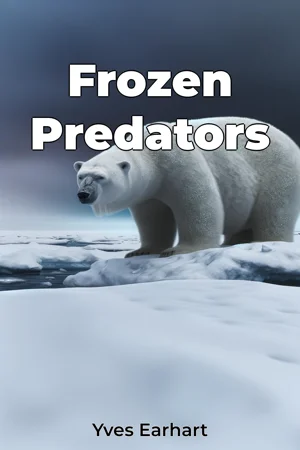
"Frozen Predators" explores the lives of apex predators like polar bears, leopard seals, and arctic foxes in Earth's coldest regions, revealing their unique adaptations and crucial roles in fragile Arctic and Antarctic ecosystems. The book emphasizes how the success of these hunters is deeply connected to stable icy environments, threatened now more than ever by climate change. Through the lens of these iconic species, it examines broader themes of adaptation, survival, and the impact of environmental shifts, highlighting the intricate balance within these ecosystems. The book presents a comprehensive look at the physical and behavioral adaptations that enable these animals to thrive despite extreme conditions. For example, it discusses the insulation of polar bear fur, the diving physiology of leopard seals, and the camouflage of arctic foxes. Beginning with an introduction to the Arctic and Antarctic, the book progresses to detail the hunting techniques of each predator, such as polar bears hunting on sea ice and leopard seals ambushing prey in Antarctic waters. Ultimately, it discusses the conservation challenges facing these predators and what their decline could mean for the entire planet, offering potential solutions and avenues for future research.
Book Details
ISBN
9788233982980
Publisher
Publifye AS
Your Licenses
You don't own any licenses for this book
Purchase a license below to unlock this book and download the EPUB.
Purchase License
Select a tier to unlock this book
Need bulk licensing?
Contact us for enterprise agreements.