
About This Book
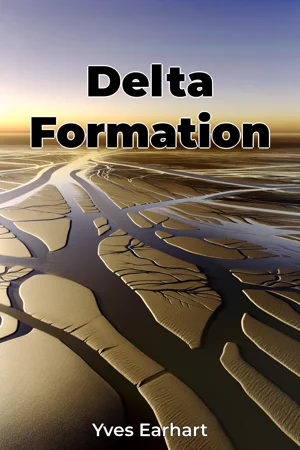
Have you ever wondered how vast, fertile lands emerge where mighty rivers meet the relentless ocean? This book, *Delta Formation*, delves into the fascinating processes that create river deltas, dynamic landscapes crucial for both ecological diversity and human civilization. We explore the intricate interplay of fluvial geomorphology, sediment transport, and coastal dynamics that give rise to these unique environments. This exploration is vital because deltas are not merely geographical features; they are hotspots of biodiversity, supporting a wide array of plant and animal species. Furthermore, they are often densely populated regions, providing fertile agricultural lands that sustain millions of people. Understanding delta formation and evolution is therefore critical for sustainable land management, resource allocation, and mitigating the impacts of climate change, particularly sea-level rise. We begin by establishing a foundational understanding of fluvial systems, covering key concepts like sediment load, stream power, and base level. Readers will gain insight into the processes of erosion, transport, and deposition that shape river channels. Knowledge of basic hydrological principles and sedimentology is helpful but not essential, as these topics are addressed within the text. A historical overview of delta studies, from early observations to modern scientific investigations, provides context for current research and debates. The central argument of *Delta Formation* is that deltas are complex, self-organizing systems whose morphology and evolution are governed by the interaction of riverine and marine processes, modulated by factors such as climate, tectonics, and human activity. This interaction results in a delicate balance that makes deltas particularly vulnerable to environmental change. Recognizing this dynamic equilibrium is crucial for predicting delta behavior and implementing effective management strategies. The book is structured into three main parts. The first part introduces the fundamental principles of delta formation, covering topics such as sediment sources, transport pathways, and depositional processes. The second part examines the various types of deltas around the world, highlighting their unique characteristics and the factors that influence their development. Case studies of prominent deltas, such as the Mississippi, Nile, and Ganges-Brahmaputra, illustrate the diverse range of deltaic environments. The third part focuses on the challenges facing deltas in the 21st century, including sea-level rise, land subsidence, and human impacts. It explores potential solutions for mitigating these challenges and ensuring the long-term sustainability of deltaic regions. Application of predictive modeling methods are used to forecast future delta evolution scenarios. The evidence presented in *Delta Formation* is drawn from a wide range of sources, including field observations, laboratory experiments, remote sensing data, and numerical modeling. We incorporate data from diverse studies, including sediment core analyses, hydrological measurements, and satellite imagery, to provide a comprehensive and evidence-based account of delta formation. Original research on sediment budgets and delta plain evolution will also be presented. The study of delta formation inherently connects to several disciplines. First, to coastal engineering, which is interested in protecting deltaic regions from erosion and flooding. Second, to environmental science, which addresses the ecological impacts of delta degradation. Third, to socioeconomics, which examines the human dimensions of living in and managing deltaic landscapes. These interdisciplinary connections underscore the importance of a holistic approach to understanding and managing deltas. *Delta Formation* offers a unique perspective by integrating process-based understanding with a systems approach. Rather than focusing solely on individual processes, we emphasize the interconnectedness of the various factors that influence delta evolution. This holistic perspective allows for a more nuanced and comprehensive understanding of these complex landscapes. The book adopts a fact-based, scientific tone, presenting information in a clear and accessible manner while maintaining academic rigor. Complex concepts are explained using straightforward language and illustrative examples. The goal is to provide a comprehensive and informative account of delta formation that is accessible to a broad audience. The target audience includes students and researchers in earth science, geography, environmental science, and related fields. It is addressed to policymakers, coastal managers, and anyone with an interest in understanding the formation, evolution, and sustainable management of river deltas. This book provides a valuable resource for those seeking a comprehensive and up-to-date overview of this important topic. As a work within the 'Environment, Earth Sciences Geography' genres, it aligns with the academic rigor of its genres, providing figures, data, and conclusions grounded in evidence. The scope of the book is limited to the physical and environmental aspects of delta formation, so it does not delve deeply into the social, economic, or political dimensions of delta management. The information presented in *Delta Formation* can be applied to a variety of real-world problems, including coastal zone management, flood risk assessment, and ecosystem restoration. By understanding the processes that govern delta formation, readers can make informed decisions about how to manage these valuable landscapes. The book also addresses ongoing debates in the field, such as the relative importance of natural versus human factors in delta degradation and the effectiveness of various management strategies. By presenting different perspectives and critically evaluating the evidence, we aim to promote informed discussion and advance the understanding of delta systems.
Have you ever wondered how vast, fertile lands emerge where mighty rivers meet the relentless ocean? This book, *Delta Formation*, delves into the fascinating processes that create river deltas, dynamic landscapes crucial for both ecological diversity and human civilization. We explore the intricate interplay of fluvial geomorphology, sediment transport, and coastal dynamics that give rise to these unique environments. This exploration is vital because deltas are not merely geographical features; they are hotspots of biodiversity, supporting a wide array of plant and animal species. Furthermore, they are often densely populated regions, providing fertile agricultural lands that sustain millions of people. Understanding delta formation and evolution is therefore critical for sustainable land management, resource allocation, and mitigating the impacts of climate change, particularly sea-level rise. We begin by establishing a foundational understanding of fluvial systems, covering key concepts like sediment load, stream power, and base level. Readers will gain insight into the processes of erosion, transport, and deposition that shape river channels. Knowledge of basic hydrological principles and sedimentology is helpful but not essential, as these topics are addressed within the text. A historical overview of delta studies, from early observations to modern scientific investigations, provides context for current research and debates. The central argument of *Delta Formation* is that deltas are complex, self-organizing systems whose morphology and evolution are governed by the interaction of riverine and marine processes, modulated by factors such as climate, tectonics, and human activity. This interaction results in a delicate balance that makes deltas particularly vulnerable to environmental change. Recognizing this dynamic equilibrium is crucial for predicting delta behavior and implementing effective management strategies. The book is structured into three main parts. The first part introduces the fundamental principles of delta formation, covering topics such as sediment sources, transport pathways, and depositional processes. The second part examines the various types of deltas around the world, highlighting their unique characteristics and the factors that influence their development. Case studies of prominent deltas, such as the Mississippi, Nile, and Ganges-Brahmaputra, illustrate the diverse range of deltaic environments. The third part focuses on the challenges facing deltas in the 21st century, including sea-level rise, land subsidence, and human impacts. It explores potential solutions for mitigating these challenges and ensuring the long-term sustainability of deltaic regions. Application of predictive modeling methods are used to forecast future delta evolution scenarios. The evidence presented in *Delta Formation* is drawn from a wide range of sources, including field observations, laboratory experiments, remote sensing data, and numerical modeling. We incorporate data from diverse studies, including sediment core analyses, hydrological measurements, and satellite imagery, to provide a comprehensive and evidence-based account of delta formation. Original research on sediment budgets and delta plain evolution will also be presented. The study of delta formation inherently connects to several disciplines. First, to coastal engineering, which is interested in protecting deltaic regions from erosion and flooding. Second, to environmental science, which addresses the ecological impacts of delta degradation. Third, to socioeconomics, which examines the human dimensions of living in and managing deltaic landscapes. These interdisciplinary connections underscore the importance of a holistic approach to understanding and managing deltas. *Delta Formation* offers a unique perspective by integrating process-based understanding with a systems approach. Rather than focusing solely on individual processes, we emphasize the interconnectedness of the various factors that influence delta evolution. This holistic perspective allows for a more nuanced and comprehensive understanding of these complex landscapes. The book adopts a fact-based, scientific tone, presenting information in a clear and accessible manner while maintaining academic rigor. Complex concepts are explained using straightforward language and illustrative examples. The goal is to provide a comprehensive and informative account of delta formation that is accessible to a broad audience. The target audience includes students and researchers in earth science, geography, environmental science, and related fields. It is addressed to policymakers, coastal managers, and anyone with an interest in understanding the formation, evolution, and sustainable management of river deltas. This book provides a valuable resource for those seeking a comprehensive and up-to-date overview of this important topic. As a work within the 'Environment, Earth Sciences Geography' genres, it aligns with the academic rigor of its genres, providing figures, data, and conclusions grounded in evidence. The scope of the book is limited to the physical and environmental aspects of delta formation, so it does not delve deeply into the social, economic, or political dimensions of delta management. The information presented in *Delta Formation* can be applied to a variety of real-world problems, including coastal zone management, flood risk assessment, and ecosystem restoration. By understanding the processes that govern delta formation, readers can make informed decisions about how to manage these valuable landscapes. The book also addresses ongoing debates in the field, such as the relative importance of natural versus human factors in delta degradation and the effectiveness of various management strategies. By presenting different perspectives and critically evaluating the evidence, we aim to promote informed discussion and advance the understanding of delta systems.
"Delta Formation" explores the fascinating earth science behind the creation and evolution of river deltas, dynamic landscapes where rivers meet the sea. These areas are biodiversity hotspots and support large human populations, making their understanding crucial. The book examines fluvial geomorphology, sediment transport, and coastal dynamics, highlighting the interplay between riverine and marine processes. One intriguing fact is that deltas are self-organizing systems, constantly adapting to factors like climate and human activity. Readers will gain insights into how sediment sources, transport pathways, and depositional processes shape these environments, which are particularly vulnerable to environmental change, especially sea-level rise. The book progresses through three key parts. It introduces the fundamental principles, examines various delta types globally using case studies like the Mississippi and Nile, and addresses the challenges deltas face in the 21st century. Predictive modeling methods are applied to provide future delta evolution scenarios. This comprehensive approach integrates process-based understanding with a systems perspective to offer a nuanced view for students, researchers, policymakers, and anyone interested in the sustainable management of these critical landscapes.
Book Details
ISBN
9788233982959
Publisher
Publifye AS
Your Licenses
You don't own any licenses for this book
Purchase a license below to unlock this book and download the EPUB.
Purchase License
Select a tier to unlock this book
Need bulk licensing?
Contact us for enterprise agreements.