
About This Book
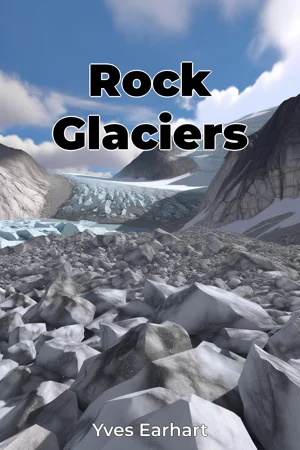
Have you ever wondered what forces shape some of the most rugged and remote mountain landscapes on Earth? This book, 'Rock Glaciers,' delves into the fascinating world of these enigmatic landforms, exploring their formation, dynamics, and significance in a changing climate. We will examine the intricate processes by which rock glaciers, mixtures of rock debris and ice, slowly creep downslope, acting as both agents of erosion and unique ecosystems. This book addresses several key areas. First, it elucidates the formation and internal structure of rock glaciers, differentiating them from true glaciers and other periglacial features. Second, it examines the dynamics of rock glacier movement, considering factors such as ice content, temperature, and terrain. Third, it analyzes the ecological role of rock glaciers, highlighting their importance as water reservoirs and habitats for specialized flora and fauna. These topics are important because understanding rock glaciers is crucial for predicting the impacts of climate change on mountain regions, managing water resources, and conserving biodiversity. Some basic knowledge of glaciology, geomorphology, and ecology will be helpful, but the core concepts will be explained in detail. The central argument of this book is that rock glaciers are dynamic and sensitive indicators of environmental change in mountain environments. Their behavior reflects complex interactions between climate, hydrology, and geology, making them valuable tools for understanding past, present, and future environmental conditions. This argument is significant because it emphasizes the potential of rock glaciers as archives of environmental information and highlights the need for continued research and monitoring. The book is structured to provide a comprehensive overview of rock glaciers. It begins with an introduction to the concept, its history, and global distribution. Subsequent chapters delve into the processes of formation, focusing on the roles of permafrost, debris accumulation, and ice dynamics. A major point is the characterization of different types of rock glaciers, based on their morphology, internal structure, and activity. Another section will detail methods to assess rock glacier dynamics using remote sensing, geophysical surveys, and field observations. Finally, the book culminates with a discussion of the implications of rock glacier changes for water resources, natural hazards, and ecosystem functioning. The evidence presented will draw upon a wide range of sources, including field studies, remote sensing data, geophysical surveys, and climate models. Unique datasets, such as long-term monitoring records of rock glacier movement and temperature from various mountain ranges worldwide, will be presented to support the arguments. Methodologies used include detailed geomorphological mapping, ground-penetrating radar surveys, and statistical analysis of climate and rock glacier data. This book benefits from interdisciplinary connections. First, it connects to hydrology by exploring the role of rock glaciers as water reservoirs and their contribution to streamflow. Second, it relates to ecology by examining the unique plant and animal communities that inhabit rock glaciers and their surrounding areas. Third, it is tied to climate science through assessing the response of rock glaciers to climate change and their potential as indicators of environmental change. These connections enhance our understanding of rock glaciers as integral components of mountain systems. A unique aspect of this book is its integrated approach, combining geomorphological, hydrological, and ecological perspectives to provide a holistic understanding of rock glaciers. It also emphasizes a process-based approach, focusing on the underlying mechanisms that drive rock glacier formation and dynamics. The tone will be authoritative and informative, while maintaining accessibility for a broad audience. The writing style will be clear and concise, with explanations of technical terms and concepts. The target audience includes researchers, students, and professionals in fields such as geomorphology, glaciology, hydrology, ecology, and climate science. It would also appeal to policymakers and resource managers involved in water management and natural hazard assessment in mountain regions. This book meets the non-fiction genre expectations by presenting factual information, supported by evidence and analysis. The scope of the book is global, covering rock glaciers in various mountain ranges around the world. However, it primarily focuses on regions where rock glaciers are abundant and well-studied, such as the European Alps, the Andes, and the Rocky Mountains. The limitations include the inherent complexities of studying these remote and challenging environments. The information presented in this book can be applied practically in several ways. It can inform water resource management strategies, assist in hazard mapping and risk assessment, and guide conservation efforts in mountain ecosystems. It can also contribute to improved climate change projections and adaptation planning. The book addresses some ongoing debates in the field, such as the relative importance of ice content versus debris properties in controlling rock glacier movement, and the potential for rock glaciers to transition into debris flows under changing climate conditions. These controversies are explored by presenting different perspectives and analyzing the available evidence.
Have you ever wondered what forces shape some of the most rugged and remote mountain landscapes on Earth? This book, 'Rock Glaciers,' delves into the fascinating world of these enigmatic landforms, exploring their formation, dynamics, and significance in a changing climate. We will examine the intricate processes by which rock glaciers, mixtures of rock debris and ice, slowly creep downslope, acting as both agents of erosion and unique ecosystems. This book addresses several key areas. First, it elucidates the formation and internal structure of rock glaciers, differentiating them from true glaciers and other periglacial features. Second, it examines the dynamics of rock glacier movement, considering factors such as ice content, temperature, and terrain. Third, it analyzes the ecological role of rock glaciers, highlighting their importance as water reservoirs and habitats for specialized flora and fauna. These topics are important because understanding rock glaciers is crucial for predicting the impacts of climate change on mountain regions, managing water resources, and conserving biodiversity. Some basic knowledge of glaciology, geomorphology, and ecology will be helpful, but the core concepts will be explained in detail. The central argument of this book is that rock glaciers are dynamic and sensitive indicators of environmental change in mountain environments. Their behavior reflects complex interactions between climate, hydrology, and geology, making them valuable tools for understanding past, present, and future environmental conditions. This argument is significant because it emphasizes the potential of rock glaciers as archives of environmental information and highlights the need for continued research and monitoring. The book is structured to provide a comprehensive overview of rock glaciers. It begins with an introduction to the concept, its history, and global distribution. Subsequent chapters delve into the processes of formation, focusing on the roles of permafrost, debris accumulation, and ice dynamics. A major point is the characterization of different types of rock glaciers, based on their morphology, internal structure, and activity. Another section will detail methods to assess rock glacier dynamics using remote sensing, geophysical surveys, and field observations. Finally, the book culminates with a discussion of the implications of rock glacier changes for water resources, natural hazards, and ecosystem functioning. The evidence presented will draw upon a wide range of sources, including field studies, remote sensing data, geophysical surveys, and climate models. Unique datasets, such as long-term monitoring records of rock glacier movement and temperature from various mountain ranges worldwide, will be presented to support the arguments. Methodologies used include detailed geomorphological mapping, ground-penetrating radar surveys, and statistical analysis of climate and rock glacier data. This book benefits from interdisciplinary connections. First, it connects to hydrology by exploring the role of rock glaciers as water reservoirs and their contribution to streamflow. Second, it relates to ecology by examining the unique plant and animal communities that inhabit rock glaciers and their surrounding areas. Third, it is tied to climate science through assessing the response of rock glaciers to climate change and their potential as indicators of environmental change. These connections enhance our understanding of rock glaciers as integral components of mountain systems. A unique aspect of this book is its integrated approach, combining geomorphological, hydrological, and ecological perspectives to provide a holistic understanding of rock glaciers. It also emphasizes a process-based approach, focusing on the underlying mechanisms that drive rock glacier formation and dynamics. The tone will be authoritative and informative, while maintaining accessibility for a broad audience. The writing style will be clear and concise, with explanations of technical terms and concepts. The target audience includes researchers, students, and professionals in fields such as geomorphology, glaciology, hydrology, ecology, and climate science. It would also appeal to policymakers and resource managers involved in water management and natural hazard assessment in mountain regions. This book meets the non-fiction genre expectations by presenting factual information, supported by evidence and analysis. The scope of the book is global, covering rock glaciers in various mountain ranges around the world. However, it primarily focuses on regions where rock glaciers are abundant and well-studied, such as the European Alps, the Andes, and the Rocky Mountains. The limitations include the inherent complexities of studying these remote and challenging environments. The information presented in this book can be applied practically in several ways. It can inform water resource management strategies, assist in hazard mapping and risk assessment, and guide conservation efforts in mountain ecosystems. It can also contribute to improved climate change projections and adaptation planning. The book addresses some ongoing debates in the field, such as the relative importance of ice content versus debris properties in controlling rock glacier movement, and the potential for rock glaciers to transition into debris flows under changing climate conditions. These controversies are explored by presenting different perspectives and analyzing the available evidence.
"Rock Glaciers" explores the fascinating world of these unique mountain landforms, which blend rock debris and ice. These features creep slowly downhill, acting as agents of erosion and crucial components of mountain ecosystems. The book emphasizes how rock glaciers serve as dynamic indicators of environmental change, reflecting the complex interactions between climate, hydrology, and geology in mountain environments. The book elucidates the formation and structure of rock glaciers, differentiating them from true glaciers. It examines the dynamics of their movement, influenced by ice content and temperature. It also highlights their ecological role as water reservoirs and specialized habitats. "Rock Glaciers" progresses systematically, beginning with an introduction and global distribution, then delving into formation processes like permafrost and debris accumulation, methods for assessing dynamics, and implications for water resources and natural hazards. This book offers a comprehensive, integrated view by combining geomorphological, hydrological, and ecological perspectives. It emphasizes a process-based approach to understanding the mechanisms driving rock glacier formation. By presenting long-term monitoring records and interdisciplinary connections, this book provides valuable insights for researchers, students, and professionals involved in Earth Sciences Geography, particularly in the context of climate change and mountain environments.
Book Details
ISBN
9788233982935
Publisher
Publifye AS
Your Licenses
You don't own any licenses for this book
Purchase a license below to unlock this book and download the EPUB.
Purchase License
Select a tier to unlock this book
Need bulk licensing?
Contact us for enterprise agreements.