
About This Book
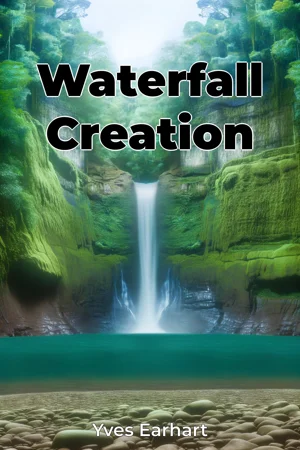
Have you ever stood in awe before a majestic waterfall, wondering about the powerful forces that sculpted such a breathtaking display of nature? This book, "Waterfall Creation," delves into the fascinating geological processes that give rise to these dynamic features of our planet, exploring the interplay between erosion, tectonic activity, and hydrological cycles. At its core, this book examines two principal mechanisms responsible for waterfall formation: differential erosion and tectonic uplift. Understanding these concepts is paramount because they reveal the Earth’s constant state of flux, demonstrating how seemingly static landscapes are continuously reshaped by natural forces. Furthermore, studying waterfall creation provides insights into broader geological processes, impacting our comprehension of landscape evolution and resource management. To grasp these intricate processes, some basic understanding of geological time scales, rock types, and hydrological systems is beneficial. We begin by establishing a foundation in these areas before exploring the mechanisms involved. The central argument of "Waterfall Creation" is that waterfalls are not static features but rather dynamic expressions of the continuous battle between constructive (tectonic) and destructive (erosional) forces. This perspective challenges the perception of landscapes as unchanging, highlighting their inherent dynamism and sensitivity to environmental changes. This is important to understand to predict future changes and their impact on human infrastructure and natural ecosystems near waterfalls. The book is structured to guide the reader through a comprehensive understanding of waterfall genesis. Initially, we introduce the fundamental concepts of erosion, weathering, and the rock cycle. Then, we delve into the major factors contributing to waterfall formation. We examine the role of differential erosion. We analyze the impact of tectonic activity and geological faulting. The book then explores the various types of waterfalls categorized by their geological origins, such as those formed by glacial activity or volcanic landscapes. Culminating the argument, we discuss the impacts of climate change and human activities on the longevity and stability of waterfalls. Finally, we look into real-world applications, from hydroelectric power generation to tourism management. "Waterfall Creation" bases its arguments on a synthesis of geological surveys, hydrological data, and case studies from diverse geographical regions. We will analyze topographical maps, satellite imagery, and on-site observations to illustrate key concepts. The methods used include comparative analysis of different waterfall types. Moreover, the book integrates findings from ongoing research in geomorphology and hydrology. This book connects to other fields such as environmental science, civil engineering, and tourism management. The study of waterfalls is applicable to environmental conservation, specifically mitigating erosion and preserving water resources. Civil engineers can use this knowledge for infrastructure projects near waterfalls such as bridges and dams. Tourism professionals can optimize sustainable tourism around these natural landmarks. "Waterfall Creation" offers a distinctive perspective by highlighting the interconnectedness of geological processes and ecosystems in the context of waterfall formation. Unlike standard textbooks that often treat these topics separately, this book provides a holistic view of the Earth's dynamic landscape, emphasizing the role of waterfalls as indicators of environmental change. The book presents information in a clear and accessible style, suitable for both students and general readers with an interest in earth sciences and natural history. While grounded in scientific rigor, the writing avoids technical jargon to make complex concepts understandable for a broad audience. The target audience includes undergraduate students in geology, geography, and environmental science, as well as nature enthusiasts, hikers, and anyone with a curiosity about the natural world. The book will be valuable to anyone looking to deepen their understanding of the geological forces that shape our planet. As a work of non-fiction in the Earth Sciences, this book emphasizes accuracy and clarity in its presentation. It adheres to the academic standards of presenting cited evidence and peer reviewed data. The book aims to provide a comprehensive overview of waterfall creation processes globally but focuses primarily on well-documented locations and examples. The book does not delve into the specific engineering challenges associated with building structures near waterfalls, but rather focuses on foundational knowledge. Understanding waterfall formation has real-world implications for resource management, hazard assessment, and sustainable tourism. The principles discussed can be applied to predict the long-term stability of waterfalls, mitigate erosion-related risks, and develop responsible tourism practices that protect these sensitive natural environments. While the fundamental principles of waterfall formation are widely accepted, there are ongoing debates regarding the precise rates of erosion and the relative influence of different tectonic forces in specific regions. "Waterfall Creation" addresses these controversies by presenting different viewpoints and critically evaluating the available evidence.
Have you ever stood in awe before a majestic waterfall, wondering about the powerful forces that sculpted such a breathtaking display of nature? This book, "Waterfall Creation," delves into the fascinating geological processes that give rise to these dynamic features of our planet, exploring the interplay between erosion, tectonic activity, and hydrological cycles. At its core, this book examines two principal mechanisms responsible for waterfall formation: differential erosion and tectonic uplift. Understanding these concepts is paramount because they reveal the Earth’s constant state of flux, demonstrating how seemingly static landscapes are continuously reshaped by natural forces. Furthermore, studying waterfall creation provides insights into broader geological processes, impacting our comprehension of landscape evolution and resource management. To grasp these intricate processes, some basic understanding of geological time scales, rock types, and hydrological systems is beneficial. We begin by establishing a foundation in these areas before exploring the mechanisms involved. The central argument of "Waterfall Creation" is that waterfalls are not static features but rather dynamic expressions of the continuous battle between constructive (tectonic) and destructive (erosional) forces. This perspective challenges the perception of landscapes as unchanging, highlighting their inherent dynamism and sensitivity to environmental changes. This is important to understand to predict future changes and their impact on human infrastructure and natural ecosystems near waterfalls. The book is structured to guide the reader through a comprehensive understanding of waterfall genesis. Initially, we introduce the fundamental concepts of erosion, weathering, and the rock cycle. Then, we delve into the major factors contributing to waterfall formation. We examine the role of differential erosion. We analyze the impact of tectonic activity and geological faulting. The book then explores the various types of waterfalls categorized by their geological origins, such as those formed by glacial activity or volcanic landscapes. Culminating the argument, we discuss the impacts of climate change and human activities on the longevity and stability of waterfalls. Finally, we look into real-world applications, from hydroelectric power generation to tourism management. "Waterfall Creation" bases its arguments on a synthesis of geological surveys, hydrological data, and case studies from diverse geographical regions. We will analyze topographical maps, satellite imagery, and on-site observations to illustrate key concepts. The methods used include comparative analysis of different waterfall types. Moreover, the book integrates findings from ongoing research in geomorphology and hydrology. This book connects to other fields such as environmental science, civil engineering, and tourism management. The study of waterfalls is applicable to environmental conservation, specifically mitigating erosion and preserving water resources. Civil engineers can use this knowledge for infrastructure projects near waterfalls such as bridges and dams. Tourism professionals can optimize sustainable tourism around these natural landmarks. "Waterfall Creation" offers a distinctive perspective by highlighting the interconnectedness of geological processes and ecosystems in the context of waterfall formation. Unlike standard textbooks that often treat these topics separately, this book provides a holistic view of the Earth's dynamic landscape, emphasizing the role of waterfalls as indicators of environmental change. The book presents information in a clear and accessible style, suitable for both students and general readers with an interest in earth sciences and natural history. While grounded in scientific rigor, the writing avoids technical jargon to make complex concepts understandable for a broad audience. The target audience includes undergraduate students in geology, geography, and environmental science, as well as nature enthusiasts, hikers, and anyone with a curiosity about the natural world. The book will be valuable to anyone looking to deepen their understanding of the geological forces that shape our planet. As a work of non-fiction in the Earth Sciences, this book emphasizes accuracy and clarity in its presentation. It adheres to the academic standards of presenting cited evidence and peer reviewed data. The book aims to provide a comprehensive overview of waterfall creation processes globally but focuses primarily on well-documented locations and examples. The book does not delve into the specific engineering challenges associated with building structures near waterfalls, but rather focuses on foundational knowledge. Understanding waterfall formation has real-world implications for resource management, hazard assessment, and sustainable tourism. The principles discussed can be applied to predict the long-term stability of waterfalls, mitigate erosion-related risks, and develop responsible tourism practices that protect these sensitive natural environments. While the fundamental principles of waterfall formation are widely accepted, there are ongoing debates regarding the precise rates of erosion and the relative influence of different tectonic forces in specific regions. "Waterfall Creation" addresses these controversies by presenting different viewpoints and critically evaluating the available evidence.
"Waterfall Creation" explores the fascinating geological processes behind these breathtaking natural wonders. The book reveals how waterfalls are not static features but dynamic expressions of Earth's constant flux, shaped by the interplay of erosion, hydrological cycles, and tectonic activity. Did you know that waterfalls can form through differential erosion, where softer rock layers erode faster than harder ones, or through tectonic uplift, which creates abrupt changes in elevation? Understanding these mechanisms provides valuable insights into landscape evolution and resource management. The book begins with foundational concepts in erosion, weathering, and the rock cycle before delving into the specific factors that contribute to waterfall creation. It examines the roles of differential erosion, tectonic activity, and geological faulting, categorizing waterfalls by their geological origins, like glacial or volcanic landscapes. Real-world applications, such as hydroelectric power and tourism, are also explored. "Waterfall Creation" emphasizes the interconnectedness of geological processes and ecosystems. This holistic approach sets it apart from conventional texts, making it a valuable resource for students, nature enthusiasts, and anyone curious about the forces shaping our planet.
Book Details
ISBN
9788233982928
Publisher
Publifye AS
Your Licenses
You don't own any licenses for this book
Purchase a license below to unlock this book and download the EPUB.
Purchase License
Select a tier to unlock this book
Need bulk licensing?
Contact us for enterprise agreements.