
About This Book
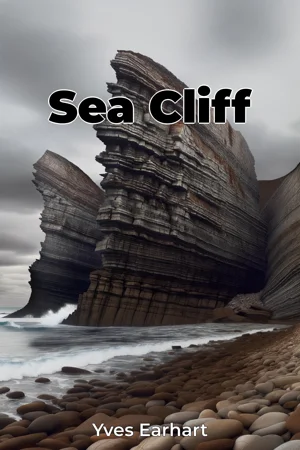
Have you ever stood at the edge of a towering sea cliff and wondered about the powerful forces that shaped such a dramatic landscape? *Sea Cliff* delves into these very questions, exploring the intricate processes that create these coastal giants and the implications of their ongoing evolution. We embark on a scientific journey to unravel the mysteries behind sea cliff formation and retreat, offering a comprehensive look at the geological, hydrological, and ecological factors at play. This book addresses several key areas. Firstly, we examine the fundamental mechanisms of coastal erosion, detailing the power of wave action, weathering, and bioerosion in shaping the cliffs. Secondly, we explore the geological composition of different cliff types and how their structure influences their resistance to erosion. Thirdly, the effect of climate change and sea-level rise on the stability of sea cliffs worldwide is assessed. The significance of understanding sea cliff dynamics is paramount. Coastal communities worldwide depend on accurate predictions of cliff retreat for infrastructure planning, hazard mitigation, and environmental management. Geologically, the formation of sea cliffs is a continuous battle between the relentless energy of the ocean and the inherent strength of the land. Understanding the rock types, fault lines, and bedding planes within the cliffs is crucial to projecting their future behavior. This book will serve as a guide through understanding this complicated interaction. The central argument of *Sea Cliff* is that understanding the complex interplay of natural forces and geological factors is essential for predicting and mitigating the impacts of sea cliff erosion on coastal environments and human populations. This book aims to empower readers with the knowledge to address the challenges posed by sea cliff retreat. The structure of *Sea Cliff* is designed to guide the reader through a logical progression of understanding. It begins with an introduction to the basic principles of coastal geomorphology and wave dynamics. The core of the book is divided into sections that cover: the erosional processes specific to sea cliffs, the geological factors influencing cliff stability, and the impact of climate change and sea-level rise. It will culminate in a discussion of coastal management strategies and case studies illustrating how to apply the concepts learned. The evidence presented in *Sea Cliff* is drawn from a combination of field studies, laboratory experiments, and remote sensing data. This book will incorporate data from global sources, including detailed case studies of cliff systems in various geomorphic settings. Methodologies include LiDAR analysis, wave modeling, and geotechnical assessments of cliff materials. *Sea Cliff* fosters interdisciplinary connections with several fields. It links earth sciences with engineering through the study of coastal defense structures, and it connects geography with environmental science through the assessment of habitat loss related to cliff erosion. It has connections to archaeology when discussing the loss of cultural sites. What sets this book apart is its integrated approach, combining detailed scientific analysis with practical applications for coastal management and policy. It provides a balanced perspective on the challenges and opportunities associated with sea cliff erosion. The tone of *Sea Cliff* is academic yet accessible, presenting complex information in a clear and engaging manner. The writing style blends scientific rigor with illustrative examples and case studies. *Sea Cliff* is targeted towards students, researchers, policymakers, and anyone interested in coastal processes. It is particularly valuable for coastal engineers, geologists, geographers, and environmental scientists. As a work in the genre of Earth Sciences and Geography, it provides a structured, fact-based exploration of sea cliff formation, erosion, and management. It incorporates relevant scientific literature and real-world examples, while avoiding speculative or unsubstantiated claims. The scope of *Sea Cliff* encompasses a global perspective on sea cliff processes, highlighting the diversity of cliff systems and the variability of erosional rates. While it provides a broad overview, it does not delve into overly specific regional studies. It gives a strong base to comprehend the different regional studies. The information presented in *Sea Cliff* can be applied to a range of real-world scenarios, from designing coastal protection measures to assessing the risks associated with coastal development. It can also be used to inform public awareness campaigns and educational programs. While the fundamental processes of sea cliff erosion are well-established, there are ongoing debates regarding the relative importance of different factors, such as wave climate, rock strength, and sea-level rise. *Sea Cliff* addresses these debates by presenting a balanced assessment of the available evidence.
Have you ever stood at the edge of a towering sea cliff and wondered about the powerful forces that shaped such a dramatic landscape? *Sea Cliff* delves into these very questions, exploring the intricate processes that create these coastal giants and the implications of their ongoing evolution. We embark on a scientific journey to unravel the mysteries behind sea cliff formation and retreat, offering a comprehensive look at the geological, hydrological, and ecological factors at play. This book addresses several key areas. Firstly, we examine the fundamental mechanisms of coastal erosion, detailing the power of wave action, weathering, and bioerosion in shaping the cliffs. Secondly, we explore the geological composition of different cliff types and how their structure influences their resistance to erosion. Thirdly, the effect of climate change and sea-level rise on the stability of sea cliffs worldwide is assessed. The significance of understanding sea cliff dynamics is paramount. Coastal communities worldwide depend on accurate predictions of cliff retreat for infrastructure planning, hazard mitigation, and environmental management. Geologically, the formation of sea cliffs is a continuous battle between the relentless energy of the ocean and the inherent strength of the land. Understanding the rock types, fault lines, and bedding planes within the cliffs is crucial to projecting their future behavior. This book will serve as a guide through understanding this complicated interaction. The central argument of *Sea Cliff* is that understanding the complex interplay of natural forces and geological factors is essential for predicting and mitigating the impacts of sea cliff erosion on coastal environments and human populations. This book aims to empower readers with the knowledge to address the challenges posed by sea cliff retreat. The structure of *Sea Cliff* is designed to guide the reader through a logical progression of understanding. It begins with an introduction to the basic principles of coastal geomorphology and wave dynamics. The core of the book is divided into sections that cover: the erosional processes specific to sea cliffs, the geological factors influencing cliff stability, and the impact of climate change and sea-level rise. It will culminate in a discussion of coastal management strategies and case studies illustrating how to apply the concepts learned. The evidence presented in *Sea Cliff* is drawn from a combination of field studies, laboratory experiments, and remote sensing data. This book will incorporate data from global sources, including detailed case studies of cliff systems in various geomorphic settings. Methodologies include LiDAR analysis, wave modeling, and geotechnical assessments of cliff materials. *Sea Cliff* fosters interdisciplinary connections with several fields. It links earth sciences with engineering through the study of coastal defense structures, and it connects geography with environmental science through the assessment of habitat loss related to cliff erosion. It has connections to archaeology when discussing the loss of cultural sites. What sets this book apart is its integrated approach, combining detailed scientific analysis with practical applications for coastal management and policy. It provides a balanced perspective on the challenges and opportunities associated with sea cliff erosion. The tone of *Sea Cliff* is academic yet accessible, presenting complex information in a clear and engaging manner. The writing style blends scientific rigor with illustrative examples and case studies. *Sea Cliff* is targeted towards students, researchers, policymakers, and anyone interested in coastal processes. It is particularly valuable for coastal engineers, geologists, geographers, and environmental scientists. As a work in the genre of Earth Sciences and Geography, it provides a structured, fact-based exploration of sea cliff formation, erosion, and management. It incorporates relevant scientific literature and real-world examples, while avoiding speculative or unsubstantiated claims. The scope of *Sea Cliff* encompasses a global perspective on sea cliff processes, highlighting the diversity of cliff systems and the variability of erosional rates. While it provides a broad overview, it does not delve into overly specific regional studies. It gives a strong base to comprehend the different regional studies. The information presented in *Sea Cliff* can be applied to a range of real-world scenarios, from designing coastal protection measures to assessing the risks associated with coastal development. It can also be used to inform public awareness campaigns and educational programs. While the fundamental processes of sea cliff erosion are well-established, there are ongoing debates regarding the relative importance of different factors, such as wave climate, rock strength, and sea-level rise. *Sea Cliff* addresses these debates by presenting a balanced assessment of the available evidence.
"Sea Cliff" explores the dynamic processes shaping coastal cliffs, offering insights into their formation, erosion, and the implications for coastal management. The book delves into the geological, hydrological, and ecological factors influencing these dramatic landscapes. It examines wave action, weathering, and the geological composition of cliffs, revealing how these elements contribute to coastal erosion. A key focus is the impact of climate change and sea-level rise on cliff stability worldwide. The book emphasizes the importance of understanding sea cliff dynamics for predicting cliff retreat and informing coastal communities. It progresses logically, beginning with coastal geomorphology and wave dynamics before exploring erosional processes, geological factors, and the impact of climate change. Case studies illustrate the application of learned concepts in coastal management strategies. By integrating scientific analysis with practical applications, "Sea Cliff" empowers readers to address the challenges posed by coastal erosion.
Book Details
ISBN
9788233982898
Publisher
Publifye AS
Your Licenses
You don't own any licenses for this book
Purchase a license below to unlock this book and download the EPUB.
Purchase License
Select a tier to unlock this book
Need bulk licensing?
Contact us for enterprise agreements.