
About This Book
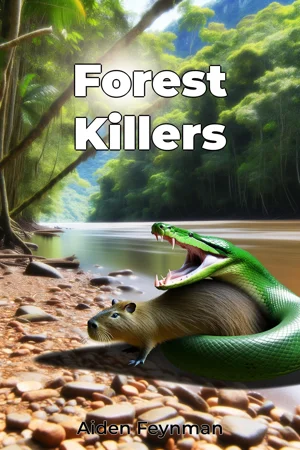
Imagine stepping into a realm where survival hinges on the edge of a tooth, the constriction of a coil, or the insidious creep of venom. *Forest Killers* delves into the lives and hunting strategies of apex predators within the world’s most diverse ecosystems, exploring the delicate balance they maintain and the critical role they play. This book examines the intricate relationships between predator and prey, focusing on the jaguar, anaconda, and a variety of venomous snakes as prime examples of forest dominance. Understanding these creatures and their impact is essential for comprehending the overall health and stability of forest environments, particularly given increasing threats to these habitats. We will investigate how these predators have evolved specific adaptations to thrive in their environments, highlighting the evolutionary arms race between predator and prey. *Forest Killers* is structured to provide a comprehensive overview of forest predators, beginning with an introduction to the concept of trophic cascades and the importance of apex predators in maintaining biodiversity. The book proceeds by examining the jaguar, detailing its hunting techniques, social structure, and geographical distribution. Following this, the anaconda is explored with an emphasis on its unique physiology, hunting strategies, and role in the aquatic ecosystems within the forest. The subsequent section is dedicated to venomous snakes, classifying different types of venom, exploring their hunting behaviors, and analyzing regional variations across different forest habitats. The culmination of the book explores the impact of human activities on forest ecosystems and the conservation challenges facing these apex predators, proposing strategies for mitigating human-wildlife conflict and ensuring the long-term survival of these vital species. The evidence presented within *Forest Killers* draws from a wide range of scientific research, including field studies, behavioral observations, and analyses of predator-prey interactions. Data sources include peer-reviewed publications, government reports, and contributions from leading experts in the fields of zoology and ecology. Emphasis is placed on empirical data and quantitative analyses to support the book's arguments. This book intersects with several fields of study, including ecology, zoology, and conservation biology. It also touches on topics within environmental science and climate change, particularly as they relate to habitat loss and its effect on predator populations. These interdisciplinary connections lend a richer understanding of the complex challenges and opportunities associated with forest conservation. *Forest Killers* offers a nuanced perspective of forest predators, moving beyond sensationalized portrayals to present a fact-based analysis of their ecological roles. The tone is both informative and engaging, designed to appeal to a broad audience with an interest in nature, biology, and conservation. The target audience includes students, educators, conservationists, and anyone with an interest in wildlife and environmental issues. The book provides valuable insights into the complex interplay between predator and prey, making it a useful resource for both academic and general readers. It aligns with expectations of the nature, biology, and science life sciences genres by presenting accurate and informative content in an accessible manner. The scope of *Forest Killers* is intentionally limited to the apex predators within select forest ecosystems to provide a focused and in-depth analysis. While not all forest habitats and predator species are covered, the examples chosen serve as representative models for understanding broader ecological principles. The information presented can inform conservation efforts, guide wildlife management strategies, and increase public awareness of the importance of preserving biodiversity. Moreover, understanding the delicate balance within forest ecosystems highlights the potential consequences of human activities and promotes more sustainable practices.
Imagine stepping into a realm where survival hinges on the edge of a tooth, the constriction of a coil, or the insidious creep of venom. *Forest Killers* delves into the lives and hunting strategies of apex predators within the world’s most diverse ecosystems, exploring the delicate balance they maintain and the critical role they play. This book examines the intricate relationships between predator and prey, focusing on the jaguar, anaconda, and a variety of venomous snakes as prime examples of forest dominance. Understanding these creatures and their impact is essential for comprehending the overall health and stability of forest environments, particularly given increasing threats to these habitats. We will investigate how these predators have evolved specific adaptations to thrive in their environments, highlighting the evolutionary arms race between predator and prey. *Forest Killers* is structured to provide a comprehensive overview of forest predators, beginning with an introduction to the concept of trophic cascades and the importance of apex predators in maintaining biodiversity. The book proceeds by examining the jaguar, detailing its hunting techniques, social structure, and geographical distribution. Following this, the anaconda is explored with an emphasis on its unique physiology, hunting strategies, and role in the aquatic ecosystems within the forest. The subsequent section is dedicated to venomous snakes, classifying different types of venom, exploring their hunting behaviors, and analyzing regional variations across different forest habitats. The culmination of the book explores the impact of human activities on forest ecosystems and the conservation challenges facing these apex predators, proposing strategies for mitigating human-wildlife conflict and ensuring the long-term survival of these vital species. The evidence presented within *Forest Killers* draws from a wide range of scientific research, including field studies, behavioral observations, and analyses of predator-prey interactions. Data sources include peer-reviewed publications, government reports, and contributions from leading experts in the fields of zoology and ecology. Emphasis is placed on empirical data and quantitative analyses to support the book's arguments. This book intersects with several fields of study, including ecology, zoology, and conservation biology. It also touches on topics within environmental science and climate change, particularly as they relate to habitat loss and its effect on predator populations. These interdisciplinary connections lend a richer understanding of the complex challenges and opportunities associated with forest conservation. *Forest Killers* offers a nuanced perspective of forest predators, moving beyond sensationalized portrayals to present a fact-based analysis of their ecological roles. The tone is both informative and engaging, designed to appeal to a broad audience with an interest in nature, biology, and conservation. The target audience includes students, educators, conservationists, and anyone with an interest in wildlife and environmental issues. The book provides valuable insights into the complex interplay between predator and prey, making it a useful resource for both academic and general readers. It aligns with expectations of the nature, biology, and science life sciences genres by presenting accurate and informative content in an accessible manner. The scope of *Forest Killers* is intentionally limited to the apex predators within select forest ecosystems to provide a focused and in-depth analysis. While not all forest habitats and predator species are covered, the examples chosen serve as representative models for understanding broader ecological principles. The information presented can inform conservation efforts, guide wildlife management strategies, and increase public awareness of the importance of preserving biodiversity. Moreover, understanding the delicate balance within forest ecosystems highlights the potential consequences of human activities and promotes more sustainable practices.
*Forest Killers* explores the fascinating world of apex predators in forest ecosystems, emphasizing their crucial role in maintaining ecological balance and biodiversity. The book delves into predator-prey interactions, highlighting how species like jaguars, anacondas, and venomous snakes have evolved unique hunting strategies. These predators are vital for controlling populations and preventing trophic cascades, where the removal of a top predator can drastically alter the entire ecosystem. The book examines the ecological impact of these forest dwellers and their behaviors, revealing how jaguars, for instance, use stealth and power to hunt, while anacondas rely on constriction to subdue their prey. Venomous snakes display an array of venom types adapted to their specific prey. Importantly, it addresses the increasing threats these predators face due to habitat loss and human activities. The book progresses systematically, beginning with ecological principles and moving into detailed studies of specific predators. It blends scientific research with accessible language, making it valuable for students, conservationists, and anyone interested in nature and biology. By understanding these complex relationships, the book aims to inform conservation efforts and promote greater awareness of the importance of protecting these vital species.
Book Details
ISBN
9788233982836
Publisher
Publifye AS
Your Licenses
You don't own any licenses for this book
Purchase a license below to unlock this book and download the EPUB.
Purchase License
Select a tier to unlock this book
Need bulk licensing?
Contact us for enterprise agreements.