
About This Book
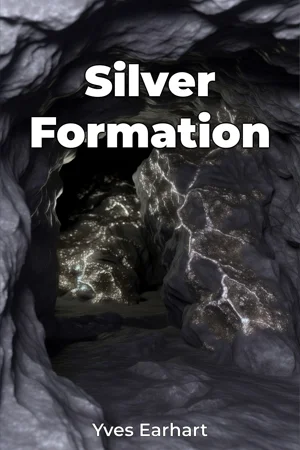
Have you ever wondered about the journey silver takes from the earth's crust to become the jewelry we wear or the bullion we invest in? "Silver Formation" delves into the fascinating world of this precious metal, exploring its geological origins, extraction processes, economic significance, and refining techniques. This book is important because silver plays a crucial role in finance, technological applications, and cultural heritage. Understanding its formation and lifecycle provides valuable insights into Earth's geological processes and the global economy. This book examines three key areas. First, we discuss the geological processes leading to silver ore formation, exploring its frequent association with lead and copper deposits. Second, we delve into the intricacies of silver extraction, examining both historical methods and modern technologies. Finally, we analyze the refining processes that transform raw silver ore into the pure metal used in jewelry, currency, and various industrial applications. Throughout history, silver has been a store of value and a medium of exchange. Its abundance, relative to gold, has made it accessible to a larger segment of the population. The increasing demand for silver in electronics and renewable energy technologies, particularly solar panels, further underscores its ongoing importance in the modern world. "Silver Formation" makes the argument that a comprehensive understanding of silver's entire lifecycle, from geological formation to end-use applications, is crucial for informed decision-making in finance, resource management, and technological development. The book's structure will be as follows: Initially, we introduce the geological context of silver formation, outlining the relevant mineralogy and geological processes. The next section details the various methods of silver extraction, from traditional mining techniques to modern industrial processes like leaching and smelting. This is followed by a discussion of silver refining, detailing the chemical and physical processes used to achieve high purity. The culmination of the book focuses on the practical applications of silver in various industries, including an analysis of its role in investment portfolios and its impact on global trade. The evidence presented in this book will draw upon a wide range of sources, including geological surveys, mining industry reports, metallurgical studies, and financial market analyses. Unique data sources, such as historical mining records and contemporary environmental impact assessments, will provide a comprehensive and nuanced understanding of silver's journey. "Silver Formation" connects to several interdisciplinary fields. First, it links to geology by detailing the Earth's processes that create silver deposits. Second, it connects to finance by analyzing silver's role as an investment asset and its impact on global economies. Third, it connects to environmental science by examining the environmental impact of silver mining and refining. These connections demonstrate silver's far-reaching influence. This book takes a holistic approach, examining silver's formation, extraction, and refining within an economic and environmental context. This approach allows the reader to gain a complete understanding of silver's lifecycle. The tone of the book will be informative and accessible, intended for a broad audience interested in earth sciences, finance, and the history of precious metals. The writing style will be clear and concise, avoiding technical jargon where possible and providing explanations for necessary scientific terms. The target audience includes students of geology, mineralogy, and finance, as well as investors, environmental scientists, and anyone interested in the origins and uses of precious metals. As a non-fiction book, "Silver Formation" adheres to the genre's conventions by providing factual information, credible sources, and a balanced perspective on the various topics discussed. The scope of the book is limited to the geological formation, extraction, and refining of silver, as well as its primary economic applications. It does not delve into the cultural or artistic uses of silver in detail. The information in this book can be applied practically by investors seeking to understand the silver market, by policymakers developing regulations for the mining industry, and by environmental scientists assessing the environmental impact of silver production. While silver is generally regarded as a valuable resource, debates exist regarding the environmental sustainability of silver mining practices and the ethical considerations surrounding the exploitation of mineral resources. "Silver Formation" will address these controversies by presenting a balanced and objective analysis of the issues.
Have you ever wondered about the journey silver takes from the earth's crust to become the jewelry we wear or the bullion we invest in? "Silver Formation" delves into the fascinating world of this precious metal, exploring its geological origins, extraction processes, economic significance, and refining techniques. This book is important because silver plays a crucial role in finance, technological applications, and cultural heritage. Understanding its formation and lifecycle provides valuable insights into Earth's geological processes and the global economy. This book examines three key areas. First, we discuss the geological processes leading to silver ore formation, exploring its frequent association with lead and copper deposits. Second, we delve into the intricacies of silver extraction, examining both historical methods and modern technologies. Finally, we analyze the refining processes that transform raw silver ore into the pure metal used in jewelry, currency, and various industrial applications. Throughout history, silver has been a store of value and a medium of exchange. Its abundance, relative to gold, has made it accessible to a larger segment of the population. The increasing demand for silver in electronics and renewable energy technologies, particularly solar panels, further underscores its ongoing importance in the modern world. "Silver Formation" makes the argument that a comprehensive understanding of silver's entire lifecycle, from geological formation to end-use applications, is crucial for informed decision-making in finance, resource management, and technological development. The book's structure will be as follows: Initially, we introduce the geological context of silver formation, outlining the relevant mineralogy and geological processes. The next section details the various methods of silver extraction, from traditional mining techniques to modern industrial processes like leaching and smelting. This is followed by a discussion of silver refining, detailing the chemical and physical processes used to achieve high purity. The culmination of the book focuses on the practical applications of silver in various industries, including an analysis of its role in investment portfolios and its impact on global trade. The evidence presented in this book will draw upon a wide range of sources, including geological surveys, mining industry reports, metallurgical studies, and financial market analyses. Unique data sources, such as historical mining records and contemporary environmental impact assessments, will provide a comprehensive and nuanced understanding of silver's journey. "Silver Formation" connects to several interdisciplinary fields. First, it links to geology by detailing the Earth's processes that create silver deposits. Second, it connects to finance by analyzing silver's role as an investment asset and its impact on global economies. Third, it connects to environmental science by examining the environmental impact of silver mining and refining. These connections demonstrate silver's far-reaching influence. This book takes a holistic approach, examining silver's formation, extraction, and refining within an economic and environmental context. This approach allows the reader to gain a complete understanding of silver's lifecycle. The tone of the book will be informative and accessible, intended for a broad audience interested in earth sciences, finance, and the history of precious metals. The writing style will be clear and concise, avoiding technical jargon where possible and providing explanations for necessary scientific terms. The target audience includes students of geology, mineralogy, and finance, as well as investors, environmental scientists, and anyone interested in the origins and uses of precious metals. As a non-fiction book, "Silver Formation" adheres to the genre's conventions by providing factual information, credible sources, and a balanced perspective on the various topics discussed. The scope of the book is limited to the geological formation, extraction, and refining of silver, as well as its primary economic applications. It does not delve into the cultural or artistic uses of silver in detail. The information in this book can be applied practically by investors seeking to understand the silver market, by policymakers developing regulations for the mining industry, and by environmental scientists assessing the environmental impact of silver production. While silver is generally regarded as a valuable resource, debates exist regarding the environmental sustainability of silver mining practices and the ethical considerations surrounding the exploitation of mineral resources. "Silver Formation" will address these controversies by presenting a balanced and objective analysis of the issues.
"Silver Formation" explores the complete lifecycle of silver, from its geological origins deep within the Earth to its refining and widespread use in industries and investment. This book argues that understanding the entire journey of silver is vital for informed decisions in finance, resource management, and technology. Silver's frequent association with lead and copper deposits is examined, along with the shift from historical mining methods to modern extraction technologies like leaching and smelting. The book progresses from the geological processes that create silver ore, through various extraction techniques, to the refining processes that yield pure silver. It highlights silver's role as a store of value throughout history and its increasing importance in electronics and renewable energy, particularly solar panels. "Silver Formation" takes a holistic approach by examining silver's formation, extraction, and refining within an economic and environmental context, making it valuable for anyone interested in earth sciences, finance, and the history of precious metals.
Book Details
ISBN
9788233982720
Publisher
Publifye AS
Your Licenses
You don't own any licenses for this book
Purchase a license below to unlock this book and download the EPUB.
Purchase License
Select a tier to unlock this book
Need bulk licensing?
Contact us for enterprise agreements.