
About This Book
Have you ever wondered how seemingly isolated bodies of water, teeming with life, exist alongside the relentless power of the ocean? This book, "Lagoon Formation," delves into the fascinating processes that create lagoons, these unique coastal environments that bridge the gap between land and sea. We explore the diverse mechanisms responsible for their formation, the ecological significance they hold, and the challenges they face in a rapidly changing world. This book centers on three key areas: the geomorphological processes shaping lagoon formation, the biodiversity these environments support, and the impact of human activities and climate change on their existence. Understanding these topics is important because lagoons act as vital nurseries for marine life, buffer coastlines from erosion, and provide crucial ecosystem services. To fully appreciate the dynamics of lagoon formation, we begin by examining the interplay of geological history, sea-level fluctuations, and sediment transport. This includes understanding coastal geomorphology, wave action, and tidal influences. Prior knowledge of basic geological and oceanographic principles is helpful but not mandatory, as the book provides clear explanations of core concepts. Our central argument is that lagoon formation is a complex, dynamic process driven by the interaction of geological forces, biological activity, and human impacts. Understanding this interplay is crucial for effective coastal management and conservation efforts. We support this argument through a detailed examination of lagoon systems around the world, highlighting both commonalities and unique characteristics. The book unfolds in distinct stages. First, we introduce the fundamental concepts of lagoon morphology, classification, and the driving forces behind their creation. We then explore specific formation mechanisms, such as the growth of barrier islands, the submergence of coastal plains, and the development of atolls, presenting detailed case studies for each. Next, we devote significant attention to the ecological aspects of lagoons, examining the diverse communities of plants and animals they support, focusing on nutrient cycling and food web dynamics. Finally, we assess the impacts of human activities, including pollution, development and climate change, on lagoon ecosystems, proposing strategies for sustainable management and conservation. The evidence presented draws from a wide array of sources, including scientific literature, satellite imagery, bathymetric surveys, and firsthand field observations from various lagoon systems. We also incorporate original data from ongoing research projects, providing a comprehensive and up-to-date assessment of the state of lagoon environments worldwide. "Lagoon Formation" connects to several disciplines. First, it closely relates to oceanography, using its principles to explain water circulation and sediment transport within lagoons. Second, it intersects with ecology by exploring the biodiversity and ecosystem functions of these unique environments. Third, the book has relevance to environmental science, discussing the impacts of pollution and climate change on coastal ecosystems. These interdisciplinary connections underscore the holistic nature of lagoon systems. A unique aspect of this book is its integrated approach, combining geological, ecological, and human dimensions to provide a complete picture of lagoon formation and function. We move past purely descriptive accounts and deliver process driven explanations. Our tone balances scientific accuracy with accessibility, aiming to inform both experts and enthusiastic non-specialists. The writing style is clear, concise, and engaging, using real-world examples and case studies to illustrate key concepts. This book is intended for students, researchers, coastal managers, and anyone with an interest in coastal environments. It will be valuable for those studying geography, environmental science, marine biology, and related fields. The scope of this book encompasses lagoon systems globally, although we focus on well-studied examples to illustrate key processes. We deliberately limit our discussion of deep-sea lagoon-like features, focusing primarily on coastal lagoons that are directly influenced by terrestrial processes. The information presented has many real-world applications, including coastal zone management planning, ecosystem restoration projects, and the development of strategies to mitigate the impacts of climate change on vulnerable coastal communities. Regarding controversies, the book addresses the ongoing debate surrounding the relative importance of natural processes versus human activities in shaping lagoon ecosystems. We strive to present a balanced perspective, acknowledging the complexities of these interactions and highlighting the need for integrated management approaches.
Have you ever wondered how seemingly isolated bodies of water, teeming with life, exist alongside the relentless power of the ocean? This book, "Lagoon Formation," delves into the fascinating processes that create lagoons, these unique coastal environments that bridge the gap between land and sea. We explore the diverse mechanisms responsible for their formation, the ecological significance they hold, and the challenges they face in a rapidly changing world. This book centers on three key areas: the geomorphological processes shaping lagoon formation, the biodiversity these environments support, and the impact of human activities and climate change on their existence. Understanding these topics is important because lagoons act as vital nurseries for marine life, buffer coastlines from erosion, and provide crucial ecosystem services. To fully appreciate the dynamics of lagoon formation, we begin by examining the interplay of geological history, sea-level fluctuations, and sediment transport. This includes understanding coastal geomorphology, wave action, and tidal influences. Prior knowledge of basic geological and oceanographic principles is helpful but not mandatory, as the book provides clear explanations of core concepts. Our central argument is that lagoon formation is a complex, dynamic process driven by the interaction of geological forces, biological activity, and human impacts. Understanding this interplay is crucial for effective coastal management and conservation efforts. We support this argument through a detailed examination of lagoon systems around the world, highlighting both commonalities and unique characteristics. The book unfolds in distinct stages. First, we introduce the fundamental concepts of lagoon morphology, classification, and the driving forces behind their creation. We then explore specific formation mechanisms, such as the growth of barrier islands, the submergence of coastal plains, and the development of atolls, presenting detailed case studies for each. Next, we devote significant attention to the ecological aspects of lagoons, examining the diverse communities of plants and animals they support, focusing on nutrient cycling and food web dynamics. Finally, we assess the impacts of human activities, including pollution, development and climate change, on lagoon ecosystems, proposing strategies for sustainable management and conservation. The evidence presented draws from a wide array of sources, including scientific literature, satellite imagery, bathymetric surveys, and firsthand field observations from various lagoon systems. We also incorporate original data from ongoing research projects, providing a comprehensive and up-to-date assessment of the state of lagoon environments worldwide. "Lagoon Formation" connects to several disciplines. First, it closely relates to oceanography, using its principles to explain water circulation and sediment transport within lagoons. Second, it intersects with ecology by exploring the biodiversity and ecosystem functions of these unique environments. Third, the book has relevance to environmental science, discussing the impacts of pollution and climate change on coastal ecosystems. These interdisciplinary connections underscore the holistic nature of lagoon systems. A unique aspect of this book is its integrated approach, combining geological, ecological, and human dimensions to provide a complete picture of lagoon formation and function. We move past purely descriptive accounts and deliver process driven explanations. Our tone balances scientific accuracy with accessibility, aiming to inform both experts and enthusiastic non-specialists. The writing style is clear, concise, and engaging, using real-world examples and case studies to illustrate key concepts. This book is intended for students, researchers, coastal managers, and anyone with an interest in coastal environments. It will be valuable for those studying geography, environmental science, marine biology, and related fields. The scope of this book encompasses lagoon systems globally, although we focus on well-studied examples to illustrate key processes. We deliberately limit our discussion of deep-sea lagoon-like features, focusing primarily on coastal lagoons that are directly influenced by terrestrial processes. The information presented has many real-world applications, including coastal zone management planning, ecosystem restoration projects, and the development of strategies to mitigate the impacts of climate change on vulnerable coastal communities. Regarding controversies, the book addresses the ongoing debate surrounding the relative importance of natural processes versus human activities in shaping lagoon ecosystems. We strive to present a balanced perspective, acknowledging the complexities of these interactions and highlighting the need for integrated management approaches.
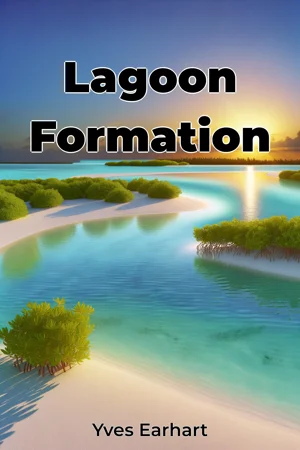
Lagoon Formation explores the creation, ecological importance, and modern challenges facing these unique coastal environments. The book examines the geomorphological processes shaping lagoons, the biodiversity they support, and the impact of human activities and climate change. Lagoons serve as crucial nurseries for marine life and buffer coastlines, making their study essential for effective coastal management. One intriguing aspect covered is how lagoons form through various mechanisms, such as barrier island growth and coastal plain submergence, each influenced by geological history, sea-level changes, and sediment transport. The book progresses by first introducing lagoon morphology and then delving into specific formation processes, supported by detailed case studies. It also highlights the diverse communities of plants and animals within lagoons, focusing on nutrient cycling and food web dynamics. "Lagoon Formation" takes an integrated approach, combining geological, ecological, and human dimensions to understand lagoon formation and function. It uses scientific literature, satellite imagery, and field observations to provide a comprehensive assessment. The book provides a balanced perspective on the interplay between natural processes and human activities, offering strategies for the sustainable management and conservation of these vital ecosystems.
Book Details
ISBN
9788233982584
Publisher
Publifye AS
Your Licenses
You don't own any licenses for this book
Purchase a license below to unlock this book and download the EPUB.
Purchase License
Select a tier to unlock this book
Need bulk licensing?
Contact us for enterprise agreements.