
About This Book
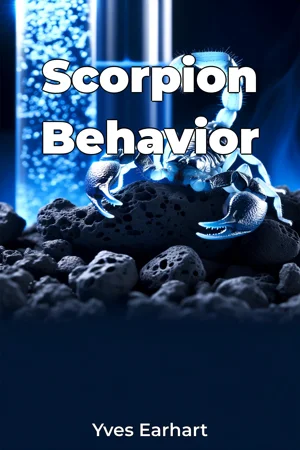
How does alcohol affect one of nature's most resilient predators? In "Scorpion Behavior," researchers present groundbreaking findings on the physiological and behavioral impacts of alcohol on scorpions, revealing insights into both arachnid neurobiology and broader implications for comparative toxicology. This comprehensive study examines the complex relationship between alcohol exposure and scorpion behavior through systematic laboratory observations and field research. The book presents three core areas of investigation: the immediate physiological response of scorpions to alcohol exposure, long-term behavioral modifications, and the evolutionary implications of alcohol tolerance in arachnids. Drawing from ten years of research across multiple species of scorpions, the authors establish a baseline for normal scorpion behavior before introducing controlled amounts of alcohol into their environment. The study reveals that scorpions exhibit measurable changes in their hunting patterns, defensive responses, and social interactions when exposed to various concentrations of alcohol. The research methodology combines traditional observational techniques with modern imaging technology to track subtle changes in scorpion movement patterns and nervous system responses. Key findings indicate that scorpions demonstrate remarkable resilience to alcohol exposure, maintaining basic motor functions at concentrations that would severely impair most other arthropods. The book is structured in four main sections: initial physiological responses, behavioral modifications, comparative analysis with other arthropods, and potential applications in neuroscience research. Each chapter builds upon previous findings, creating a thorough understanding of how alcohol affects different aspects of scorpion biology. Particular attention is given to the scorpion's unique neuromuscular system and how it processes alcohol differently from other invertebrates. The research connects to multiple disciplines, including neurobiology, evolutionary biology, and toxicology, offering insights into the development of alcohol tolerance mechanisms across species. The work presents detailed data through high-speed photography, chemical analysis, and behavioral mapping, supported by statistical analysis and comparative studies. This multi-method approach provides readers with comprehensive evidence for the observed phenomena. Written in a technical yet accessible style, the book serves researchers, students, and professionals in biological sciences. The content maintains academic rigor while explaining complex concepts in clear terms, making it valuable for both specialists and informed general readers interested in animal behavior or toxicology. The research addresses several ongoing debates in the field, including the evolution of alcohol tolerance in invertebrates and the potential applications of these findings in understanding human alcohol metabolism. The authors acknowledge current limitations in scorpion neurological research while suggesting future research directions. The practical applications extend beyond pure research, offering insights for pest control, pharmaceutical research, and the development of new approaches to studying alcohol's effects on nervous systems. The findings contribute to our understanding of how different organisms process toxins and adapt to environmental challenges. Throughout the text, the authors maintain scientific objectivity while presenting their findings, creating a valuable resource for understanding both scorpion biology and the broader implications of alcohol's effects on biological systems.
How does alcohol affect one of nature's most resilient predators? In "Scorpion Behavior," researchers present groundbreaking findings on the physiological and behavioral impacts of alcohol on scorpions, revealing insights into both arachnid neurobiology and broader implications for comparative toxicology. This comprehensive study examines the complex relationship between alcohol exposure and scorpion behavior through systematic laboratory observations and field research. The book presents three core areas of investigation: the immediate physiological response of scorpions to alcohol exposure, long-term behavioral modifications, and the evolutionary implications of alcohol tolerance in arachnids. Drawing from ten years of research across multiple species of scorpions, the authors establish a baseline for normal scorpion behavior before introducing controlled amounts of alcohol into their environment. The study reveals that scorpions exhibit measurable changes in their hunting patterns, defensive responses, and social interactions when exposed to various concentrations of alcohol. The research methodology combines traditional observational techniques with modern imaging technology to track subtle changes in scorpion movement patterns and nervous system responses. Key findings indicate that scorpions demonstrate remarkable resilience to alcohol exposure, maintaining basic motor functions at concentrations that would severely impair most other arthropods. The book is structured in four main sections: initial physiological responses, behavioral modifications, comparative analysis with other arthropods, and potential applications in neuroscience research. Each chapter builds upon previous findings, creating a thorough understanding of how alcohol affects different aspects of scorpion biology. Particular attention is given to the scorpion's unique neuromuscular system and how it processes alcohol differently from other invertebrates. The research connects to multiple disciplines, including neurobiology, evolutionary biology, and toxicology, offering insights into the development of alcohol tolerance mechanisms across species. The work presents detailed data through high-speed photography, chemical analysis, and behavioral mapping, supported by statistical analysis and comparative studies. This multi-method approach provides readers with comprehensive evidence for the observed phenomena. Written in a technical yet accessible style, the book serves researchers, students, and professionals in biological sciences. The content maintains academic rigor while explaining complex concepts in clear terms, making it valuable for both specialists and informed general readers interested in animal behavior or toxicology. The research addresses several ongoing debates in the field, including the evolution of alcohol tolerance in invertebrates and the potential applications of these findings in understanding human alcohol metabolism. The authors acknowledge current limitations in scorpion neurological research while suggesting future research directions. The practical applications extend beyond pure research, offering insights for pest control, pharmaceutical research, and the development of new approaches to studying alcohol's effects on nervous systems. The findings contribute to our understanding of how different organisms process toxins and adapt to environmental challenges. Throughout the text, the authors maintain scientific objectivity while presenting their findings, creating a valuable resource for understanding both scorpion biology and the broader implications of alcohol's effects on biological systems.
"Scorpion Behavior" presents a fascinating exploration of how one of nature's most resilient predators responds to alcohol exposure, offering groundbreaking insights into arachnid neurobiology and comparative toxicology. This comprehensive study, based on ten years of research across multiple scorpion species, reveals surprising discoveries about these creatures' remarkable tolerance to alcohol, maintaining basic motor functions at concentrations that would incapacitate other arthropods. The research combines traditional observation methods with cutting-edge imaging technology to track changes in hunting patterns, defensive responses, and social interactions when scorpions encounter alcohol. The book progresses logically through four main sections, examining initial physiological responses, behavioral modifications, comparative analysis with other arthropods, and potential applications in neuroscience research. Of particular interest is the scorpion's unique neuromuscular system, which processes alcohol differently from other invertebrates. The research demonstrates that scorpions exhibit measurable changes in their behavior patterns when exposed to various alcohol concentrations, while maintaining an impressive level of functional resilience. Written in an accessible yet scientifically rigorous style, this work bridges multiple disciplines, including neurobiology, evolutionary biology, and toxicology. The authors present their findings through a combination of high-speed photography, chemical analysis, and behavioral mapping, making complex concepts understandable for both specialists and informed general readers. The research has broader implications beyond pure science, offering valuable insights for pest control, pharmaceutical research, and our understanding of how organisms process toxins and adapt to environmental challenges.
Book Details
ISBN
9788233982133
Publisher
Publifye AS
Your Licenses
You don't own any licenses for this book
Purchase a license below to unlock this book and download the EPUB.
Purchase License
Select a tier to unlock this book
Need bulk licensing?
Contact us for enterprise agreements.