
About This Book
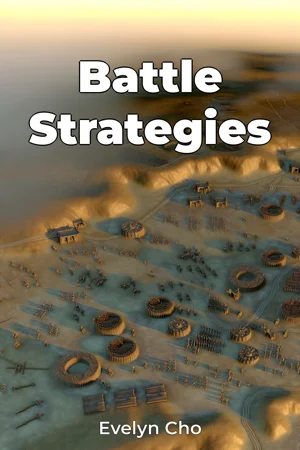
"Battle Strategies" examines how military commanders throughout history have shaped warfare through their tactical decisions, analyzing the profound impact of battlefield choices on the course of human history. The book provides a systematic analysis of military engagements from ancient times to modern warfare, focusing on three crucial aspects: strategic planning, tactical execution, and battlefield adaptation. Through detailed case studies of pivotal battles, readers gain insights into the decision-making processes that determined victory or defeat, and the evolutionary nature of military strategy. The work is structured chronologically, beginning with ancient battles like Thermopylae and Cannae, progressing through medieval conflicts, and culminating in modern warfare analysis. Each chapter examines specific battles through multiple lenses: terrain utilization, force deployment, logistics management, and leadership decisions under pressure. The author presents primary source materials, including military documents, commander's journals, and battlefield archaeological findings to support the analysis. A central thesis emerges: successful military strategies share common principles across centuries, yet require continuous adaptation to changing technologies and circumstances. The book demonstrates how fundamental concepts like flanking maneuvers, tactical retreats, and force concentration remain relevant from ancient times to present-day conflicts. The content delves into three major themes: the role of intelligence gathering in strategic planning, the impact of terrain and weather on tactical decisions, and the importance of supply line management. Each theme is explored through specific battle examples, showing how these factors influenced outcomes in conflicts like the Battle of Agincourt, Napoleon's Russian Campaign, and the Battle of Kursk. The work connects military strategy to other disciplines, including psychology (decision-making under stress), geography (terrain analysis), and technology (weapons development). These interdisciplinary links provide readers with a comprehensive understanding of how various factors influence military outcomes. The research draws from military archives, archaeological findings, and modern tactical analyses. The author utilizes computer simulations and modern battlefield reconstruction techniques to validate historical accounts and analyze decision points. Written in an analytical style that balances technical detail with accessible explanations, the book serves military historians, strategy enthusiasts, and professional military personnel. Technical terms are clearly defined, and complex tactical concepts are illustrated through detailed maps and diagrams. The scope encompasses land warfare primarily, with focused attention on battles that introduced innovative tactics or represented significant strategic developments. Naval and aerial warfare are addressed where they intersect with land operations or demonstrate important strategic principles. Practical applications extend beyond military contexts to fields like business strategy, crisis management, and leadership development. The book includes analysis frameworks that readers can apply to understand complex decision-making in high-pressure situations. The work addresses ongoing debates in military history, including the relative importance of technology versus strategy, the role of individual leadership in battle outcomes, and the evolution of tactical doctrine. It presents evidence-based viewpoints while acknowledging areas of continuing scholarly discussion. "Battle Strategies" offers readers a methodical approach to understanding military history through the lens of tactical decision-making, providing insights applicable to both historical study and contemporary strategic planning.
"Battle Strategies" examines how military commanders throughout history have shaped warfare through their tactical decisions, analyzing the profound impact of battlefield choices on the course of human history. The book provides a systematic analysis of military engagements from ancient times to modern warfare, focusing on three crucial aspects: strategic planning, tactical execution, and battlefield adaptation. Through detailed case studies of pivotal battles, readers gain insights into the decision-making processes that determined victory or defeat, and the evolutionary nature of military strategy. The work is structured chronologically, beginning with ancient battles like Thermopylae and Cannae, progressing through medieval conflicts, and culminating in modern warfare analysis. Each chapter examines specific battles through multiple lenses: terrain utilization, force deployment, logistics management, and leadership decisions under pressure. The author presents primary source materials, including military documents, commander's journals, and battlefield archaeological findings to support the analysis. A central thesis emerges: successful military strategies share common principles across centuries, yet require continuous adaptation to changing technologies and circumstances. The book demonstrates how fundamental concepts like flanking maneuvers, tactical retreats, and force concentration remain relevant from ancient times to present-day conflicts. The content delves into three major themes: the role of intelligence gathering in strategic planning, the impact of terrain and weather on tactical decisions, and the importance of supply line management. Each theme is explored through specific battle examples, showing how these factors influenced outcomes in conflicts like the Battle of Agincourt, Napoleon's Russian Campaign, and the Battle of Kursk. The work connects military strategy to other disciplines, including psychology (decision-making under stress), geography (terrain analysis), and technology (weapons development). These interdisciplinary links provide readers with a comprehensive understanding of how various factors influence military outcomes. The research draws from military archives, archaeological findings, and modern tactical analyses. The author utilizes computer simulations and modern battlefield reconstruction techniques to validate historical accounts and analyze decision points. Written in an analytical style that balances technical detail with accessible explanations, the book serves military historians, strategy enthusiasts, and professional military personnel. Technical terms are clearly defined, and complex tactical concepts are illustrated through detailed maps and diagrams. The scope encompasses land warfare primarily, with focused attention on battles that introduced innovative tactics or represented significant strategic developments. Naval and aerial warfare are addressed where they intersect with land operations or demonstrate important strategic principles. Practical applications extend beyond military contexts to fields like business strategy, crisis management, and leadership development. The book includes analysis frameworks that readers can apply to understand complex decision-making in high-pressure situations. The work addresses ongoing debates in military history, including the relative importance of technology versus strategy, the role of individual leadership in battle outcomes, and the evolution of tactical doctrine. It presents evidence-based viewpoints while acknowledging areas of continuing scholarly discussion. "Battle Strategies" offers readers a methodical approach to understanding military history through the lens of tactical decision-making, providing insights applicable to both historical study and contemporary strategic planning.
"Battle Strategies" presents a comprehensive examination of military decision-making throughout history, revealing how commanders' tactical choices have shaped the course of warfare and human events. The book uniquely bridges ancient and modern military thinking by analyzing battles from Thermopylae to modern conflicts, demonstrating how fundamental principles of warfare remain relevant despite technological advances. Through meticulous analysis of primary sources, including commanders' journals and archaeological findings, the book explores three critical aspects of warfare: strategic planning, tactical execution, and battlefield adaptation. Each chapter examines specific battles through multiple perspectives, considering factors such as terrain utilization, force deployment, and logistics management. The author skillfully demonstrates how successful military strategies share common principles across centuries while requiring continuous adaptation to changing circumstances. The work stands out for its interdisciplinary approach, connecting military strategy with psychology, geography, and technology. Using modern analytical tools, including computer simulations and battlefield reconstructions, the book provides readers with practical insights applicable beyond military contexts. This systematic analysis of warfare history offers valuable lessons for military professionals, historians, and anyone interested in strategic decision-making under pressure, while maintaining accessibility through clear explanations of technical concepts and detailed battle analyses.
Book Details
ISBN
9788233981815
Publisher
Publifye AS
Your Licenses
You don't own any licenses for this book
Purchase a license below to unlock this book and download the EPUB.
Purchase License
Select a tier to unlock this book
Need bulk licensing?
Contact us for enterprise agreements.