
About This Book
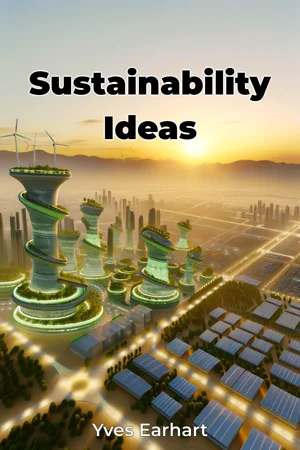
In an era where environmental challenges threaten our planet's future, "Sustainability Ideas" presents a comprehensive exploration of innovative solutions and technologies that can transform our approach to environmental stewardship. The book examines how cutting-edge developments in science and technology intersect with practical, implementable strategies for environmental conservation. The work is structured around three core themes: renewable energy transformation, sustainable urban development, and circular economy principles. Each section combines theoretical frameworks with real-world applications, demonstrating how these concepts can be integrated into both individual actions and large-scale industrial processes. The book emphasizes that sustainability is not merely an environmental concern but a fundamental redesign of how human systems interact with natural ones. Drawing from extensive research across multiple disciplines, the text presents evidence-based solutions supported by case studies from successful sustainability initiatives worldwide. The author analyzes data from environmental science research institutes, technology companies, and government agencies to provide a robust foundation for the proposed solutions. This includes detailed examinations of successful projects in cities like Copenhagen, Singapore, and Portland, where sustainable practices have been effectively implemented. The book provides essential context by tracing the evolution of sustainability concepts from the Industrial Revolution to present-day challenges. It examines how past environmental mistakes have informed current solutions and how emerging technologies are enabling previously impossible solutions. This historical perspective helps readers understand both the urgency of current environmental challenges and the potential for positive change. Practical applications form a central component of the work, with each chapter including actionable strategies for different scales of implementation. From individual households to corporate systems, the book outlines specific steps for transitioning to more sustainable practices. It addresses common obstacles and provides evidence-based solutions for overcoming them. The interdisciplinary approach connects environmental science with urban planning, economics, and social psychology. This integration demonstrates how sustainability solutions must consider multiple factors to be effective. The book explains how technological innovations in fields like artificial intelligence and materials science are creating new possibilities for environmental protection. Written in a clear, methodical style that balances technical information with accessible explanations, the text serves both specialists and general readers interested in environmental solutions. It maintains a factual, solution-focused tone while addressing complex topics such as carbon capture technology, regenerative agriculture, and smart city design. The book is particularly valuable for environmental professionals, policy makers, business leaders, and educated general readers seeking comprehensive understanding of sustainability solutions. It provides both theoretical frameworks and practical tools for implementing sustainable practices across different contexts. While acknowledging ongoing debates about the best approaches to environmental protection, the book focuses on solutions with proven effectiveness. It addresses controversies surrounding various environmental technologies and practices, presenting evidence-based evaluations of their benefits and limitations. The scope encompasses both immediate actions and long-term strategies, though it primarily focuses on solutions that can be implemented within the next decade. This practical timeframe ensures that the proposed solutions are relevant and actionable while acknowledging the need for continued innovation in environmental protection.
In an era where environmental challenges threaten our planet's future, "Sustainability Ideas" presents a comprehensive exploration of innovative solutions and technologies that can transform our approach to environmental stewardship. The book examines how cutting-edge developments in science and technology intersect with practical, implementable strategies for environmental conservation. The work is structured around three core themes: renewable energy transformation, sustainable urban development, and circular economy principles. Each section combines theoretical frameworks with real-world applications, demonstrating how these concepts can be integrated into both individual actions and large-scale industrial processes. The book emphasizes that sustainability is not merely an environmental concern but a fundamental redesign of how human systems interact with natural ones. Drawing from extensive research across multiple disciplines, the text presents evidence-based solutions supported by case studies from successful sustainability initiatives worldwide. The author analyzes data from environmental science research institutes, technology companies, and government agencies to provide a robust foundation for the proposed solutions. This includes detailed examinations of successful projects in cities like Copenhagen, Singapore, and Portland, where sustainable practices have been effectively implemented. The book provides essential context by tracing the evolution of sustainability concepts from the Industrial Revolution to present-day challenges. It examines how past environmental mistakes have informed current solutions and how emerging technologies are enabling previously impossible solutions. This historical perspective helps readers understand both the urgency of current environmental challenges and the potential for positive change. Practical applications form a central component of the work, with each chapter including actionable strategies for different scales of implementation. From individual households to corporate systems, the book outlines specific steps for transitioning to more sustainable practices. It addresses common obstacles and provides evidence-based solutions for overcoming them. The interdisciplinary approach connects environmental science with urban planning, economics, and social psychology. This integration demonstrates how sustainability solutions must consider multiple factors to be effective. The book explains how technological innovations in fields like artificial intelligence and materials science are creating new possibilities for environmental protection. Written in a clear, methodical style that balances technical information with accessible explanations, the text serves both specialists and general readers interested in environmental solutions. It maintains a factual, solution-focused tone while addressing complex topics such as carbon capture technology, regenerative agriculture, and smart city design. The book is particularly valuable for environmental professionals, policy makers, business leaders, and educated general readers seeking comprehensive understanding of sustainability solutions. It provides both theoretical frameworks and practical tools for implementing sustainable practices across different contexts. While acknowledging ongoing debates about the best approaches to environmental protection, the book focuses on solutions with proven effectiveness. It addresses controversies surrounding various environmental technologies and practices, presenting evidence-based evaluations of their benefits and limitations. The scope encompasses both immediate actions and long-term strategies, though it primarily focuses on solutions that can be implemented within the next decade. This practical timeframe ensures that the proposed solutions are relevant and actionable while acknowledging the need for continued innovation in environmental protection.
"Sustainability Ideas" offers a comprehensive exploration of innovative environmental solutions, focusing on the intersection of cutting-edge technology and practical conservation strategies. The book expertly weaves together three fundamental themes: renewable energy transformation, sustainable urban development, and circular economy principles, demonstrating how these elements can revolutionize our approach to environmental stewardship. Through real-world examples from cities like Copenhagen, Singapore, and Portland, readers gain valuable insights into successful sustainability initiatives that bridge the gap between theoretical concepts and practical implementation. The book's unique strength lies in its interdisciplinary approach, connecting environmental science with urban planning, economics, and social psychology. By tracing sustainability concepts from the Industrial Revolution to present-day challenges, it provides crucial historical context while highlighting modern solutions. The author draws from extensive research across multiple disciplines, presenting evidence-based solutions that can be implemented at various scales, from individual households to large-scale industrial processes. Each chapter builds upon the previous one, offering actionable strategies while addressing common obstacles to sustainable practices. The content maintains accessibility without sacrificing technical depth, making complex topics like carbon capture technology and smart city design understandable for both specialists and general readers. This balanced approach, combined with its focus on solutions achievable within the next decade, makes the book an invaluable resource for environmental professionals, policy makers, and anyone seeking to understand and implement effective sustainability measures.
Book Details
ISBN
9788233981693
Publisher
Publifye AS
Your Licenses
You don't own any licenses for this book
Purchase a license below to unlock this book and download the EPUB.
Purchase License
Select a tier to unlock this book
Need bulk licensing?
Contact us for enterprise agreements.