
About This Book
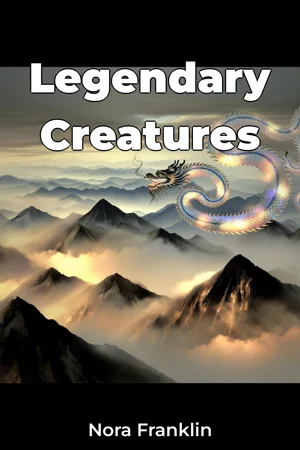
From the winged serpents of Mesoamerica to the dragon kings of East Asia, mythical creatures have shaped human culture and consciousness for millennia. "Legendary Creatures" presents a comprehensive cross-cultural analysis of mythological beings, examining their origins, evolution, and enduring influence on human societies across time and geography. This scholarly work delves into the anthropological and religious foundations of mythical creatures, revealing how these beings emerged from humanity's attempts to understand natural phenomena, establish moral frameworks, and create cultural identity. The book systematically analyzes recurring patterns in creature mythology, demonstrating how similar beings appeared independently in different civilizations, often serving comparable societal functions. Through three main sections, the book examines the role of mythical creatures in shaping human belief systems. The first part explores creation myths and guardian beings, from the Chinese phoenix to the Native American thunderbird, analyzing their role in establishing cosmic order. The second section investigates creatures associated with moral teachings and cautionary tales, such as European werewolves and Japanese yokai, revealing how societies used these beings to enforce social norms. The final section examines the psychological and social functions of mythical creatures, drawing from Jungian archetypes and contemporary sociological research. The research draws from archaeological evidence, ancient texts, oral traditions, and contemporary anthropological studies. Using comparative mythology methodology, the book identifies patterns in how different cultures developed and maintained their creature mythologies. It incorporates recent findings in cognitive science to explain why certain creature archetypes appear consistently across cultures. The work connects mythology to various academic disciplines, including psychology, sociology, and environmental studies. It demonstrates how mythical creatures often reflected human relationships with the natural world, serving as early environmental management systems through taboos and sacred protocols associated with these beings. This volume stands out for its systematic approach to categorizing and analyzing mythical creatures based on their social functions rather than geographical origins. It challenges traditional Western-centric interpretations by giving equal weight to indigenous mythologies and examining them within their original cultural contexts. Written in an academic yet accessible style, the book balances scholarly rigor with engaging narrative elements, making it valuable for both researchers and general readers interested in mythology, anthropology, or comparative religion. Each chapter includes detailed case studies of specific creatures, accompanied by historical artwork and contemporary cultural references. The text specifically addresses how mythical creatures continue to influence modern society through literature, art, and popular culture. It examines how these ancient symbols adapt to contemporary contexts while maintaining their core psychological and social significance. The book also explores current debates in the field of mythology studies, including the role of gender in creature mythology and the impact of globalization on traditional beliefs. The research provides practical frameworks for understanding cultural symbolism and narrative construction, valuable for educators, writers, and cultural analysts. While focusing primarily on pre-modern mythologies, the book acknowledges limitations in studying oral traditions and lost cultures, addressing methodological challenges in mythological research. "Legendary Creatures" offers a nuanced understanding of how societies create and maintain their mythological systems, demonstrating that these beings are not mere fantasy but complex cultural tools that continue to shape human understanding of the world. It presents mythology as a sophisticated system of knowledge transmission that remains relevant in contemporary society.
From the winged serpents of Mesoamerica to the dragon kings of East Asia, mythical creatures have shaped human culture and consciousness for millennia. "Legendary Creatures" presents a comprehensive cross-cultural analysis of mythological beings, examining their origins, evolution, and enduring influence on human societies across time and geography. This scholarly work delves into the anthropological and religious foundations of mythical creatures, revealing how these beings emerged from humanity's attempts to understand natural phenomena, establish moral frameworks, and create cultural identity. The book systematically analyzes recurring patterns in creature mythology, demonstrating how similar beings appeared independently in different civilizations, often serving comparable societal functions. Through three main sections, the book examines the role of mythical creatures in shaping human belief systems. The first part explores creation myths and guardian beings, from the Chinese phoenix to the Native American thunderbird, analyzing their role in establishing cosmic order. The second section investigates creatures associated with moral teachings and cautionary tales, such as European werewolves and Japanese yokai, revealing how societies used these beings to enforce social norms. The final section examines the psychological and social functions of mythical creatures, drawing from Jungian archetypes and contemporary sociological research. The research draws from archaeological evidence, ancient texts, oral traditions, and contemporary anthropological studies. Using comparative mythology methodology, the book identifies patterns in how different cultures developed and maintained their creature mythologies. It incorporates recent findings in cognitive science to explain why certain creature archetypes appear consistently across cultures. The work connects mythology to various academic disciplines, including psychology, sociology, and environmental studies. It demonstrates how mythical creatures often reflected human relationships with the natural world, serving as early environmental management systems through taboos and sacred protocols associated with these beings. This volume stands out for its systematic approach to categorizing and analyzing mythical creatures based on their social functions rather than geographical origins. It challenges traditional Western-centric interpretations by giving equal weight to indigenous mythologies and examining them within their original cultural contexts. Written in an academic yet accessible style, the book balances scholarly rigor with engaging narrative elements, making it valuable for both researchers and general readers interested in mythology, anthropology, or comparative religion. Each chapter includes detailed case studies of specific creatures, accompanied by historical artwork and contemporary cultural references. The text specifically addresses how mythical creatures continue to influence modern society through literature, art, and popular culture. It examines how these ancient symbols adapt to contemporary contexts while maintaining their core psychological and social significance. The book also explores current debates in the field of mythology studies, including the role of gender in creature mythology and the impact of globalization on traditional beliefs. The research provides practical frameworks for understanding cultural symbolism and narrative construction, valuable for educators, writers, and cultural analysts. While focusing primarily on pre-modern mythologies, the book acknowledges limitations in studying oral traditions and lost cultures, addressing methodological challenges in mythological research. "Legendary Creatures" offers a nuanced understanding of how societies create and maintain their mythological systems, demonstrating that these beings are not mere fantasy but complex cultural tools that continue to shape human understanding of the world. It presents mythology as a sophisticated system of knowledge transmission that remains relevant in contemporary society.
"Legendary Creatures" presents a groundbreaking exploration of mythological beings across cultures, examining how these fantastic entities have shaped human societies throughout history. The book uniquely organizes mythical creatures based on their social functions rather than geographic origins, offering fresh insights into how different civilizations used similar beings to address universal human concerns and experiences. Through three comprehensive sections, the work examines how creatures like the Chinese phoenix and Native American thunderbird established cosmic order in creation myths, while beings such as European werewolves and Japanese yokai served as powerful tools for enforcing social norms. The analysis draws from an impressive range of sources, including archaeological evidence, ancient texts, and oral traditions, while incorporating modern cognitive science to explain the recurring patterns of creature archetypes across different cultures. What sets this scholarly work apart is its balanced approach to indigenous mythologies and Western traditions, examining each within its original cultural context. The book demonstrates how mythical creatures weren't mere flights of fancy but sophisticated cultural tools that helped societies understand natural phenomena, establish moral frameworks, and maintain social order. By connecting ancient mythology to contemporary influences in literature, art, and popular culture, the work reveals how these legendary beings continue to resonate in modern society, making it valuable for both academic researchers and general readers interested in mythology and comparative religion.
Book Details
ISBN
9788233980863
Publisher
Publifye AS
Your Licenses
You don't own any licenses for this book
Purchase a license below to unlock this book and download the EPUB.
Purchase License
Select a tier to unlock this book
Need bulk licensing?
Contact us for enterprise agreements.