
About This Book
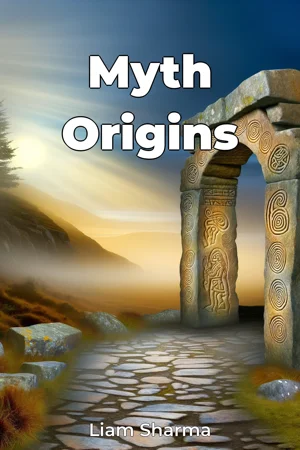
"What makes a story immortal?" This question lies at the heart of "Myth Origins," a comprehensive examination of how ancient myths continue to shape our modern narratives and belief systems. Through careful analysis of archaeological evidence, historical records, and cultural studies, this book traces the evolution of mythological elements from their earliest documented origins to their current manifestations in contemporary storytelling and social practices. The book presents three primary arguments: first, that myths serve as cultural repositories of fundamental human experiences; second, that mythological patterns persist across civilizations due to shared psychological and social needs; and third, that modern storytelling, from literature to digital media, continues to draw upon these ancient mythological structures. Beginning with an analysis of creation myths from various cultures, the work establishes patterns that demonstrate how early humans used storytelling to explain natural phenomena and establish social order. The research draws upon archaeological findings, ancient texts, and oral traditions from diverse geographical regions, providing readers with a rich comparative study of how different societies developed parallel mythological frameworks. The second section explores the transmission and transformation of myths through time, examining how stories adapt to new cultural contexts while maintaining their core elements. This includes detailed case studies of flood myths, hero journeys, and trickster tales, demonstrating how these narratives have evolved from ancient civilizations to modern entertainment. The final portion of the book connects these historical patterns to contemporary storytelling, analyzing how modern authors, filmmakers, and digital content creators consciously and unconsciously incorporate mythological elements into their work. This section provides practical insights for writers, educators, and cultural analysts on identifying and understanding mythological influences in current media. The research methodology combines anthropological field studies, literary analysis, and psychological research, creating a multidisciplinary approach to understanding myth evolution. The book incorporates recent findings from cognitive science about how the human brain processes and retains narrative information, explaining why certain mythological patterns remain particularly compelling. By connecting religious studies, anthropology, psychology, and media studies, "Myth Origins" offers insights relevant to scholars in multiple fields while remaining accessible to general readers interested in understanding the deeper patterns in human storytelling. The work maintains an academic tone while using clear language and well-structured arguments to guide readers through complex concepts. The book addresses ongoing debates in the field of comparative mythology, including discussions about universal versus culture-specific narrative patterns, and the role of myths in modern secular societies. It acknowledges the limitations of studying ancient myths, given the fragmentary nature of historical records, while presenting verifiable evidence for its claims about myth transmission and adaptation. Written for both academic and general audiences interested in cultural studies, religious history, or storytelling, "Myth Origins" provides practical frameworks for analyzing narrative patterns in both historical and contemporary contexts. It serves as a valuable resource for researchers, writers, and educators while offering general readers insight into how ancient stories continue to influence modern culture. This work stands out through its systematic approach to tracking myth evolution across time and cultures, supported by extensive primary source research and contemporary case studies. It fills a significant gap in current literature by bridging the divide between historical myth studies and modern narrative analysis.
"What makes a story immortal?" This question lies at the heart of "Myth Origins," a comprehensive examination of how ancient myths continue to shape our modern narratives and belief systems. Through careful analysis of archaeological evidence, historical records, and cultural studies, this book traces the evolution of mythological elements from their earliest documented origins to their current manifestations in contemporary storytelling and social practices. The book presents three primary arguments: first, that myths serve as cultural repositories of fundamental human experiences; second, that mythological patterns persist across civilizations due to shared psychological and social needs; and third, that modern storytelling, from literature to digital media, continues to draw upon these ancient mythological structures. Beginning with an analysis of creation myths from various cultures, the work establishes patterns that demonstrate how early humans used storytelling to explain natural phenomena and establish social order. The research draws upon archaeological findings, ancient texts, and oral traditions from diverse geographical regions, providing readers with a rich comparative study of how different societies developed parallel mythological frameworks. The second section explores the transmission and transformation of myths through time, examining how stories adapt to new cultural contexts while maintaining their core elements. This includes detailed case studies of flood myths, hero journeys, and trickster tales, demonstrating how these narratives have evolved from ancient civilizations to modern entertainment. The final portion of the book connects these historical patterns to contemporary storytelling, analyzing how modern authors, filmmakers, and digital content creators consciously and unconsciously incorporate mythological elements into their work. This section provides practical insights for writers, educators, and cultural analysts on identifying and understanding mythological influences in current media. The research methodology combines anthropological field studies, literary analysis, and psychological research, creating a multidisciplinary approach to understanding myth evolution. The book incorporates recent findings from cognitive science about how the human brain processes and retains narrative information, explaining why certain mythological patterns remain particularly compelling. By connecting religious studies, anthropology, psychology, and media studies, "Myth Origins" offers insights relevant to scholars in multiple fields while remaining accessible to general readers interested in understanding the deeper patterns in human storytelling. The work maintains an academic tone while using clear language and well-structured arguments to guide readers through complex concepts. The book addresses ongoing debates in the field of comparative mythology, including discussions about universal versus culture-specific narrative patterns, and the role of myths in modern secular societies. It acknowledges the limitations of studying ancient myths, given the fragmentary nature of historical records, while presenting verifiable evidence for its claims about myth transmission and adaptation. Written for both academic and general audiences interested in cultural studies, religious history, or storytelling, "Myth Origins" provides practical frameworks for analyzing narrative patterns in both historical and contemporary contexts. It serves as a valuable resource for researchers, writers, and educators while offering general readers insight into how ancient stories continue to influence modern culture. This work stands out through its systematic approach to tracking myth evolution across time and cultures, supported by extensive primary source research and contemporary case studies. It fills a significant gap in current literature by bridging the divide between historical myth studies and modern narrative analysis.
"Myth Origins" delves into the fascinating world of mythological storytelling, exploring how ancient narratives continue to shape modern culture and storytelling practices. Through a comprehensive analysis of archaeological evidence, historical records, and cultural traditions, the book reveals how fundamental human experiences are preserved and transmitted through myths across different civilizations. The work demonstrates that despite geographical and temporal distances, societies develop parallel mythological frameworks due to shared psychological and social needs. The book progresses systematically from creation myths to the evolution of storytelling, examining how ancient narratives adapt while maintaining their core elements. Particularly intriguing is its analysis of flood myths and hero journeys, which appear consistently across diverse cultures and continue to influence contemporary media. The research combines anthropological studies with recent findings from cognitive science, explaining why certain mythological patterns remain deeply compelling to human minds regardless of cultural context. What sets this work apart is its multidisciplinary approach, bridging religious studies, anthropology, and media studies to create a practical framework for understanding narrative patterns. Written in accessible language while maintaining academic rigor, the book serves both scholars and general readers interested in cultural studies and storytelling. By connecting ancient mythological structures to modern narrative forms, from literature to digital media, it demonstrates how timeless storytelling patterns continue to resonate in contemporary society.
Book Details
ISBN
9788233980818
Publisher
Publifye AS
Your Licenses
You don't own any licenses for this book
Purchase a license below to unlock this book and download the EPUB.
Purchase License
Select a tier to unlock this book
Need bulk licensing?
Contact us for enterprise agreements.