
About This Book
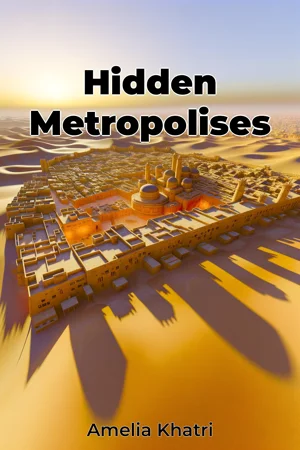
"Hidden Metropolises" challenges our understanding of urban development by uncovering the stories of cities that shaped civilization yet remain overlooked in mainstream historical narratives. This comprehensive exploration takes readers beyond familiar capitals and tourist destinations to examine the cultural tapestries and historical significance of lesser-known urban centers. The book investigates three main themes: the role of secondary cities in shaping regional trade networks, the development of unique cultural practices in isolated urban environments, and the impact of political shifts on urban development outside major capitals. Through detailed analysis of archaeological findings, historical records, and contemporary cultural studies, readers discover how these cities maintained their distinct identities while contributing to broader historical movements. The narrative unfolds across three parts, beginning with an examination of ancient trading hubs like Merv in Central Asia and Timbuktu in West Africa. These cities, while less frequently discussed than Rome or Constantinople, were crucial nodes in international commerce and cultural exchange. The second section explores medieval urban centers such as Bruges and Nara, which developed sophisticated artistic and architectural traditions that influenced their respective regions. The final part examines industrial-era cities like Manchester and Łódź, whose rapid growth and subsequent transformations mirror broader patterns of modernization. Drawing from municipal archives, archaeological reports, and oral histories, the book presents evidence from multiple disciplines to construct a nuanced picture of urban development. The research incorporates recent findings from urban anthropology studies and previously untranslated local historical documents, providing fresh perspectives on these cities' contributions to global history. The work connects urban studies with economics, sociology, and cultural anthropology, demonstrating how trade routes influenced architectural styles, how religious practices shaped city planning, and how technological innovations altered social structures. These interconnections reveal patterns of urban development that challenge traditional narratives about the spread of civilization. Written in an analytical yet accessible style, the book combines academic rigor with engaging narratives about local traditions, architectural innovations, and cultural practices. Each chapter includes detailed maps, architectural drawings, and photographs that illustrate the physical evolution of these urban spaces over time. The target audience includes urban historians, cultural researchers, and educated general readers interested in discovering how lesser-known cities have influenced regional and global development. The book serves as both a scholarly reference and a practical guide for understanding urban development patterns in different historical contexts. The scope encompasses cities from various continents and historical periods, focusing on urban centers that had populations between 50,000 and 500,000 during their peak influence. While the book acknowledges the importance of major capitals, it intentionally focuses on secondary cities to provide a more complete picture of urban development throughout history. The work addresses ongoing debates about urban centralization and the role of secondary cities in modern development, offering historical examples that inform current discussions about sustainable urban growth and cultural preservation. It provides insights for urban planners, policy makers, and citizens interested in understanding how cities develop distinct identities while adapting to changing circumstances. This research fills a significant gap in urban historical studies by documenting the contributions of these often-overlooked cities to global cultural heritage and economic development, providing a more nuanced understanding of how urban centers shape and are shaped by historical forces.
"Hidden Metropolises" challenges our understanding of urban development by uncovering the stories of cities that shaped civilization yet remain overlooked in mainstream historical narratives. This comprehensive exploration takes readers beyond familiar capitals and tourist destinations to examine the cultural tapestries and historical significance of lesser-known urban centers. The book investigates three main themes: the role of secondary cities in shaping regional trade networks, the development of unique cultural practices in isolated urban environments, and the impact of political shifts on urban development outside major capitals. Through detailed analysis of archaeological findings, historical records, and contemporary cultural studies, readers discover how these cities maintained their distinct identities while contributing to broader historical movements. The narrative unfolds across three parts, beginning with an examination of ancient trading hubs like Merv in Central Asia and Timbuktu in West Africa. These cities, while less frequently discussed than Rome or Constantinople, were crucial nodes in international commerce and cultural exchange. The second section explores medieval urban centers such as Bruges and Nara, which developed sophisticated artistic and architectural traditions that influenced their respective regions. The final part examines industrial-era cities like Manchester and Łódź, whose rapid growth and subsequent transformations mirror broader patterns of modernization. Drawing from municipal archives, archaeological reports, and oral histories, the book presents evidence from multiple disciplines to construct a nuanced picture of urban development. The research incorporates recent findings from urban anthropology studies and previously untranslated local historical documents, providing fresh perspectives on these cities' contributions to global history. The work connects urban studies with economics, sociology, and cultural anthropology, demonstrating how trade routes influenced architectural styles, how religious practices shaped city planning, and how technological innovations altered social structures. These interconnections reveal patterns of urban development that challenge traditional narratives about the spread of civilization. Written in an analytical yet accessible style, the book combines academic rigor with engaging narratives about local traditions, architectural innovations, and cultural practices. Each chapter includes detailed maps, architectural drawings, and photographs that illustrate the physical evolution of these urban spaces over time. The target audience includes urban historians, cultural researchers, and educated general readers interested in discovering how lesser-known cities have influenced regional and global development. The book serves as both a scholarly reference and a practical guide for understanding urban development patterns in different historical contexts. The scope encompasses cities from various continents and historical periods, focusing on urban centers that had populations between 50,000 and 500,000 during their peak influence. While the book acknowledges the importance of major capitals, it intentionally focuses on secondary cities to provide a more complete picture of urban development throughout history. The work addresses ongoing debates about urban centralization and the role of secondary cities in modern development, offering historical examples that inform current discussions about sustainable urban growth and cultural preservation. It provides insights for urban planners, policy makers, and citizens interested in understanding how cities develop distinct identities while adapting to changing circumstances. This research fills a significant gap in urban historical studies by documenting the contributions of these often-overlooked cities to global cultural heritage and economic development, providing a more nuanced understanding of how urban centers shape and are shaped by historical forces.
"Hidden Metropolises" offers a fascinating journey through history's overlooked urban centers, revealing how secondary cities played crucial roles in shaping civilization through trade, culture, and innovation. Moving beyond familiar capitals like Rome and Constantinople, the book unveils the compelling stories of lesser-known yet influential cities such as Merv, Timbuktu, Bruges, and Nara, which served as vital nodes in international commerce and cultural exchange throughout different historical periods. Through a carefully structured exploration across three main sections, the book examines ancient trading hubs, medieval urban centers, and industrial-era cities, demonstrating how these metropolises developed unique identities while contributing to broader historical movements. The narrative draws from a rich tapestry of archaeological findings, municipal archives, and oral histories to paint a comprehensive picture of urban development outside major capitals. Particularly intriguing are the detailed accounts of how trade routes influenced architectural styles and how religious practices shaped city planning in these secondary urban centers. The book's distinctive approach combines academic depth with accessible storytelling, using detailed maps, architectural drawings, and photographs to illustrate the evolution of these urban spaces. By focusing on cities with historical populations between 50,000 and 500,000, it provides fresh perspectives on urban development patterns that challenge traditional historical narratives. This comprehensive examination of often-overlooked cities offers valuable insights for both scholars and general readers interested in understanding how urban centers develop distinct identities while adapting to changing circumstances throughout history.
Book Details
ISBN
9788233980771
Publisher
Publifye AS
Your Licenses
You don't own any licenses for this book
Purchase a license below to unlock this book and download the EPUB.
Purchase License
Select a tier to unlock this book
Need bulk licensing?
Contact us for enterprise agreements.