
About This Book
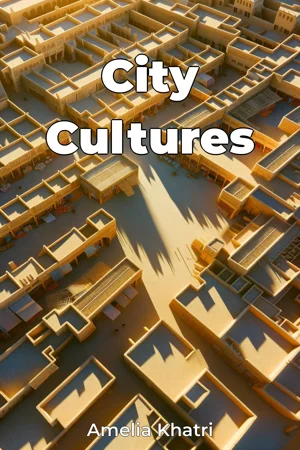
What shapes the soul of a city beyond its buildings and streets? "City Cultures" examines how urban communities across the globe have developed distinct cultural identities through centuries of human interaction, tradition, and social evolution. This comprehensive exploration of urban cultural anthropology takes readers through the intricate web of customs, beliefs, and daily practices that define city life across six continents. The book demonstrates how cities serve as living laboratories of human culture, where traditions merge and transform through migration, commerce, and technological advancement. Drawing from extensive anthropological research, historical records, and contemporary social studies, the work is structured in three main sections. The first examines the historical development of urban cultural identities, from ancient trading posts to modern metropolises. The second section analyzes how modern cities maintain distinct cultural characteristics despite globalization, featuring detailed case studies of Tokyo's preservation of traditional customs alongside technological innovation, Istanbul's blend of Eastern and Western influences, and New York's evolution as a cultural mosaic. The final section addresses how urban cultures adapt to contemporary challenges, including immigration, technological change, and environmental concerns. Through detailed examination of city planning documents, cultural preservation policies, and community initiatives, the book reveals how urban communities actively shape their cultural destiny. The research methodology combines quantitative data from urban development studies with qualitative insights from cultural anthropologists, city planners, and local community leaders. This multi-disciplinary approach provides readers with both macro and micro perspectives on urban cultural development. The work makes significant connections between urban studies, anthropology, and sociology, while incorporating elements of architecture and economic history to present a complete picture of city culture formation. It explains how economic systems influence cultural practices, how architectural choices reflect societal values, and how social networks maintain cultural continuity. Written in an academic yet accessible style, the book provides scholarly analysis while remaining engaging for general readers interested in urban development and cultural studies. Each chapter includes detailed maps, photographs, and infographics that illustrate cultural patterns and urban development trends. The target audience includes urban planners, cultural researchers, sociology students, and informed readers seeking to understand how cities shape human experience. The book serves both as an academic reference and a practical guide for those working in urban development and cultural preservation. The scope encompasses cities from all major geographical regions, focusing on metropolitan areas with populations exceeding one million residents. While the book primarily examines contemporary cultural dynamics, it includes historical context dating back to the earliest urban settlements. "City Cultures" addresses ongoing debates about cultural homogenization in the face of globalization, the role of technology in preserving traditional practices, and the balance between development and cultural heritage preservation. It provides practical frameworks for urban planners and policymakers working to maintain cultural identity while managing urban growth. The book maintains objectivity when discussing controversial topics such as gentrification, cultural appropriation, and the impact of tourism on local traditions. It presents multiple perspectives on these issues, allowing readers to form their own informed conclusions about the future of urban cultural development.
What shapes the soul of a city beyond its buildings and streets? "City Cultures" examines how urban communities across the globe have developed distinct cultural identities through centuries of human interaction, tradition, and social evolution. This comprehensive exploration of urban cultural anthropology takes readers through the intricate web of customs, beliefs, and daily practices that define city life across six continents. The book demonstrates how cities serve as living laboratories of human culture, where traditions merge and transform through migration, commerce, and technological advancement. Drawing from extensive anthropological research, historical records, and contemporary social studies, the work is structured in three main sections. The first examines the historical development of urban cultural identities, from ancient trading posts to modern metropolises. The second section analyzes how modern cities maintain distinct cultural characteristics despite globalization, featuring detailed case studies of Tokyo's preservation of traditional customs alongside technological innovation, Istanbul's blend of Eastern and Western influences, and New York's evolution as a cultural mosaic. The final section addresses how urban cultures adapt to contemporary challenges, including immigration, technological change, and environmental concerns. Through detailed examination of city planning documents, cultural preservation policies, and community initiatives, the book reveals how urban communities actively shape their cultural destiny. The research methodology combines quantitative data from urban development studies with qualitative insights from cultural anthropologists, city planners, and local community leaders. This multi-disciplinary approach provides readers with both macro and micro perspectives on urban cultural development. The work makes significant connections between urban studies, anthropology, and sociology, while incorporating elements of architecture and economic history to present a complete picture of city culture formation. It explains how economic systems influence cultural practices, how architectural choices reflect societal values, and how social networks maintain cultural continuity. Written in an academic yet accessible style, the book provides scholarly analysis while remaining engaging for general readers interested in urban development and cultural studies. Each chapter includes detailed maps, photographs, and infographics that illustrate cultural patterns and urban development trends. The target audience includes urban planners, cultural researchers, sociology students, and informed readers seeking to understand how cities shape human experience. The book serves both as an academic reference and a practical guide for those working in urban development and cultural preservation. The scope encompasses cities from all major geographical regions, focusing on metropolitan areas with populations exceeding one million residents. While the book primarily examines contemporary cultural dynamics, it includes historical context dating back to the earliest urban settlements. "City Cultures" addresses ongoing debates about cultural homogenization in the face of globalization, the role of technology in preserving traditional practices, and the balance between development and cultural heritage preservation. It provides practical frameworks for urban planners and policymakers working to maintain cultural identity while managing urban growth. The book maintains objectivity when discussing controversial topics such as gentrification, cultural appropriation, and the impact of tourism on local traditions. It presents multiple perspectives on these issues, allowing readers to form their own informed conclusions about the future of urban cultural development.
"City Cultures" presents a fascinating exploration of how urban communities worldwide develop and maintain their unique cultural identities through the complex interplay of tradition, social evolution, and human interaction. The book expertly weaves together insights from anthropology, urban studies, and sociology to reveal how cities function as living laboratories of human culture, where ancient customs merge with modern innovations. Through a carefully structured approach, the book first traces the historical evolution of urban cultural identities from ancient trading posts to today's bustling metropolises. It then presents compelling case studies of cities like Tokyo, Istanbul, and New York, demonstrating how these urban centers maintain their distinct cultural characteristics despite increasing globalization. The analysis is particularly noteworthy in its examination of how traditional customs coexist with technological advancement and how different cultural influences blend to create unique urban identities. The final portion of the book addresses contemporary challenges facing urban cultures, including immigration, technological change, and environmental concerns. By combining quantitative data with qualitative insights from cultural anthropologists, city planners, and community leaders, the work offers a comprehensive understanding of how urban communities actively shape their cultural destiny. The inclusion of detailed maps, photographs, and infographics helps readers visualize these complex cultural patterns and urban development trends, making the scholarly content accessible to both academic and general audiences interested in urban cultural development.
Book Details
ISBN
9788233980672
Publisher
Publifye AS
Your Licenses
You don't own any licenses for this book
Purchase a license below to unlock this book and download the EPUB.
Purchase License
Select a tier to unlock this book
Need bulk licensing?
Contact us for enterprise agreements.