
About This Book
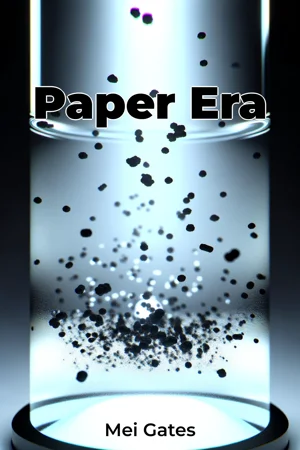
"Paper Era" examines the transformative journey from traditional paper to electronic paper displays, revealing how this technology bridges our analog past with our digital future. The book delves into the scientific principles, technological development, and widespread applications of e-ink technology that has reshaped how we consume written content. The narrative begins with the fundamental challenge that sparked e-ink's development: creating a display technology that mimics the optical properties of paper while offering digital versatility. Through detailed technical analysis, the book explains how millions of microscopic capsules containing positively charged white particles and negatively charged black particles respond to electrical fields, creating the crisp, paper-like display we see in e-readers. Central to the book's exploration are three key developments: the initial breakthrough at MIT's Media Lab in the 1990s, the subsequent commercialization challenges, and the technology's evolution into various applications beyond reading devices. The author presents extensive research data, including laboratory studies, market analyses, and environmental impact assessments, demonstrating how e-ink displays consume up to 90% less power than conventional screens. The work methodically outlines the technical architecture of e-ink displays, examining the crucial components: the electronic ink, thin-film transistor backplane, and control electronics. This technical foundation is balanced with accessible explanations of practical applications, from e-readers and digital signage to electronic shelf labels and smartphone covers. Connecting multiple disciplines, "Paper Era" links materials science with environmental studies, displaying how e-ink technology reduces electronic waste and energy consumption. The intersection with cognitive science reveals how these displays reduce eye strain compared to traditional screens, while the business perspective examines the technology's market impact on publishing and retail industries. The book provides detailed case studies of successful implementations, including Amazon's Kindle program and the transformation of retail spaces through electronic shelf labels. These examples illustrate both the technical capabilities and practical benefits of e-ink technology in various sectors. Industry professionals, technology enthusiasts, and environmental advocates will find value in the comprehensive analysis of current applications and future possibilities. The author maintains an objective, evidence-based approach, incorporating technical specifications, market research data, and environmental impact studies to support key arguments. The work addresses ongoing technical challenges, including color reproduction limitations and refresh rate constraints, while exploring potential solutions through emerging research. It examines debates within the display technology industry regarding the future of reading and information display, presenting various viewpoints from experts in the field. Looking forward, the book explores emerging applications in architecture, wearable technology, and sustainable urban design. It concludes with an analysis of how e-ink technology might evolve, considering both technical possibilities and market demands. This thorough examination of e-ink technology provides readers with both theoretical understanding and practical insights, suitable for technology professionals, business strategists, and anyone interested in the future of display technology. The book maintains a balanced approach between technical depth and accessibility, ensuring valuable insights for both specialized and general audiences interested in this transformative technology.
"Paper Era" examines the transformative journey from traditional paper to electronic paper displays, revealing how this technology bridges our analog past with our digital future. The book delves into the scientific principles, technological development, and widespread applications of e-ink technology that has reshaped how we consume written content. The narrative begins with the fundamental challenge that sparked e-ink's development: creating a display technology that mimics the optical properties of paper while offering digital versatility. Through detailed technical analysis, the book explains how millions of microscopic capsules containing positively charged white particles and negatively charged black particles respond to electrical fields, creating the crisp, paper-like display we see in e-readers. Central to the book's exploration are three key developments: the initial breakthrough at MIT's Media Lab in the 1990s, the subsequent commercialization challenges, and the technology's evolution into various applications beyond reading devices. The author presents extensive research data, including laboratory studies, market analyses, and environmental impact assessments, demonstrating how e-ink displays consume up to 90% less power than conventional screens. The work methodically outlines the technical architecture of e-ink displays, examining the crucial components: the electronic ink, thin-film transistor backplane, and control electronics. This technical foundation is balanced with accessible explanations of practical applications, from e-readers and digital signage to electronic shelf labels and smartphone covers. Connecting multiple disciplines, "Paper Era" links materials science with environmental studies, displaying how e-ink technology reduces electronic waste and energy consumption. The intersection with cognitive science reveals how these displays reduce eye strain compared to traditional screens, while the business perspective examines the technology's market impact on publishing and retail industries. The book provides detailed case studies of successful implementations, including Amazon's Kindle program and the transformation of retail spaces through electronic shelf labels. These examples illustrate both the technical capabilities and practical benefits of e-ink technology in various sectors. Industry professionals, technology enthusiasts, and environmental advocates will find value in the comprehensive analysis of current applications and future possibilities. The author maintains an objective, evidence-based approach, incorporating technical specifications, market research data, and environmental impact studies to support key arguments. The work addresses ongoing technical challenges, including color reproduction limitations and refresh rate constraints, while exploring potential solutions through emerging research. It examines debates within the display technology industry regarding the future of reading and information display, presenting various viewpoints from experts in the field. Looking forward, the book explores emerging applications in architecture, wearable technology, and sustainable urban design. It concludes with an analysis of how e-ink technology might evolve, considering both technical possibilities and market demands. This thorough examination of e-ink technology provides readers with both theoretical understanding and practical insights, suitable for technology professionals, business strategists, and anyone interested in the future of display technology. The book maintains a balanced approach between technical depth and accessibility, ensuring valuable insights for both specialized and general audiences interested in this transformative technology.
"Paper Era" explores the revolutionary transition from traditional paper to electronic paper displays, highlighting how e-ink technology has fundamentally changed our interaction with written content. This comprehensive examination reveals the fascinating science behind e-ink displays, where millions of microscopic capsules containing charged particles create paper-like surfaces that consume up to 90% less power than conventional screens. The book traces the technology's evolution from its origins at MIT's Media Lab through its widespread adoption in devices like e-readers and electronic shelf labels. The narrative skillfully weaves together multiple disciplines, from materials science to environmental studies, demonstrating how e-ink technology not only transforms reading experiences but also contributes to sustainability through reduced electronic waste and energy consumption. Through detailed case studies, including Amazon's Kindle program and retail implementations, readers gain practical insights into the technology's real-world applications and impact across various industries. Moving from fundamental principles to future possibilities, the book maintains an accessible approach while diving into technical specifications and market analyses. It addresses current limitations in color reproduction and refresh rates while exploring emerging applications in architecture and wearable technology. This balanced presentation makes complex concepts digestible for both technology professionals and general readers, offering valuable insights into how e-ink technology continues to bridge our analog past with our digital future.
Book Details
ISBN
9788233980382
Publisher
Publifye AS
Your Licenses
You don't own any licenses for this book
Purchase a license below to unlock this book and download the EPUB.
Purchase License
Select a tier to unlock this book
Need bulk licensing?
Contact us for enterprise agreements.