
About This Book
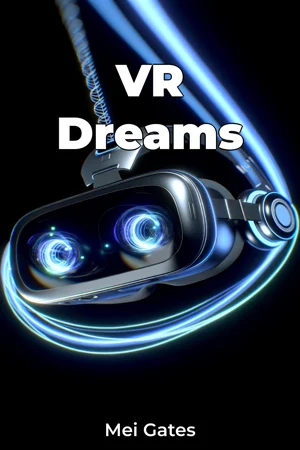
What began with the Victorian-era stereoscope has evolved into a technological revolution that promises to fundamentally change how humans interact with digital worlds. "VR Dreams" traces this remarkable journey from simple optical illusions to today's sophisticated virtual reality systems, examining how our quest for immersive experiences continues to shape technological innovation. The book presents a comprehensive analysis of virtual reality's evolution across three major phases: the mechanical age of early 3D viewing devices, the digital revolution that enabled computer-generated worlds, and the current emergence of socially connected virtual spaces. Through extensive research and interviews with industry pioneers, it reveals how each technological breakthrough built upon previous innovations to create increasingly sophisticated immersive experiences. Central to the narrative is the argument that virtual reality represents more than just technological advancement—it reflects humanity's persistent desire to transcend physical limitations and create new forms of human connection. The book demonstrates how this driving force has influenced development across decades, from early military simulation systems to modern consumer VR platforms. The content is structured chronologically, beginning with the fundamental principles of human perception that made early stereoscopic devices possible. It progresses through crucial developments including the first head-mounted displays, the rise of computer graphics, and the emergence of modern VR ecosystems. Special attention is given to key innovations like positional tracking, haptic feedback, and social VR platforms that enable multiple users to interact in shared virtual spaces. Drawing from computer science, psychology, and social anthropology, the book examines how VR technology interfaces with human cognition and social behavior. It presents original research data on user adaptation to virtual environments and includes case studies from leading VR development labs and technology companies. The text maintains an analytical approach while remaining accessible to both technical and non-technical readers. It addresses critical questions about the technology's impact on society, including privacy concerns, potential psychological effects, and the implications of spending increasing amounts of time in virtual worlds. "VR Dreams" is particularly relevant for technology professionals, digital designers, and business strategists interested in the future of digital interaction. It offers practical insights into VR development challenges and opportunities, while examining broader implications for education, healthcare, and social connection in an increasingly virtual world. The book acknowledges current limitations in VR technology, including hardware constraints, motion sickness issues, and the challenges of creating truly convincing virtual experiences. It explores ongoing debates about the role of VR in society, from its potential to revolutionize remote work and education to concerns about digital addiction and social isolation. The final chapters look toward future developments, examining emerging technologies like brain-computer interfaces and augmented reality integration. The book concludes by considering how these technologies might reshape human experience in the coming decades, while maintaining a balanced perspective on both opportunities and challenges. Written in a clear, authoritative style, "VR Dreams" provides a thorough examination of virtual reality's past, present, and potential future, making it a valuable resource for understanding one of the most significant technological trends of our time.
What began with the Victorian-era stereoscope has evolved into a technological revolution that promises to fundamentally change how humans interact with digital worlds. "VR Dreams" traces this remarkable journey from simple optical illusions to today's sophisticated virtual reality systems, examining how our quest for immersive experiences continues to shape technological innovation. The book presents a comprehensive analysis of virtual reality's evolution across three major phases: the mechanical age of early 3D viewing devices, the digital revolution that enabled computer-generated worlds, and the current emergence of socially connected virtual spaces. Through extensive research and interviews with industry pioneers, it reveals how each technological breakthrough built upon previous innovations to create increasingly sophisticated immersive experiences. Central to the narrative is the argument that virtual reality represents more than just technological advancement—it reflects humanity's persistent desire to transcend physical limitations and create new forms of human connection. The book demonstrates how this driving force has influenced development across decades, from early military simulation systems to modern consumer VR platforms. The content is structured chronologically, beginning with the fundamental principles of human perception that made early stereoscopic devices possible. It progresses through crucial developments including the first head-mounted displays, the rise of computer graphics, and the emergence of modern VR ecosystems. Special attention is given to key innovations like positional tracking, haptic feedback, and social VR platforms that enable multiple users to interact in shared virtual spaces. Drawing from computer science, psychology, and social anthropology, the book examines how VR technology interfaces with human cognition and social behavior. It presents original research data on user adaptation to virtual environments and includes case studies from leading VR development labs and technology companies. The text maintains an analytical approach while remaining accessible to both technical and non-technical readers. It addresses critical questions about the technology's impact on society, including privacy concerns, potential psychological effects, and the implications of spending increasing amounts of time in virtual worlds. "VR Dreams" is particularly relevant for technology professionals, digital designers, and business strategists interested in the future of digital interaction. It offers practical insights into VR development challenges and opportunities, while examining broader implications for education, healthcare, and social connection in an increasingly virtual world. The book acknowledges current limitations in VR technology, including hardware constraints, motion sickness issues, and the challenges of creating truly convincing virtual experiences. It explores ongoing debates about the role of VR in society, from its potential to revolutionize remote work and education to concerns about digital addiction and social isolation. The final chapters look toward future developments, examining emerging technologies like brain-computer interfaces and augmented reality integration. The book concludes by considering how these technologies might reshape human experience in the coming decades, while maintaining a balanced perspective on both opportunities and challenges. Written in a clear, authoritative style, "VR Dreams" provides a thorough examination of virtual reality's past, present, and potential future, making it a valuable resource for understanding one of the most significant technological trends of our time.
"VR Dreams" presents a fascinating journey through the evolution of virtual reality technology, from its humble beginnings with Victorian stereoscopes to today's sophisticated immersive systems. The book masterfully weaves together technical innovation, human psychology, and social impact to explain how our persistent desire to transcend physical limitations has driven VR development across three major phases: the mechanical age, the digital revolution, and the emergence of social virtual spaces. Through extensive research and industry pioneer interviews, the book reveals compelling insights into how each technological breakthrough built upon previous innovations. For instance, the development of head-mounted displays and haptic feedback systems transformed simple visual illusions into fully immersive experiences. The narrative expertly balances technical details with accessible explanations, making complex concepts understandable for both technology professionals and general readers interested in digital innovation. The book progresses chronologically, starting with fundamental principles of human perception and advancing through crucial developments in computer graphics and modern VR ecosystems. It concludes with a thought-provoking exploration of future possibilities, including brain-computer interfaces and augmented reality integration, while maintaining a balanced perspective on both the opportunities and challenges facing VR technology. Throughout the text, practical insights into VR development are complemented by critical examination of its societal implications, from revolutionizing remote work and education to concerns about digital addiction and privacy.
Book Details
ISBN
9788233980320
Publisher
Publifye AS
Your Licenses
You don't own any licenses for this book
Purchase a license below to unlock this book and download the EPUB.
Purchase License
Select a tier to unlock this book
Need bulk licensing?
Contact us for enterprise agreements.