
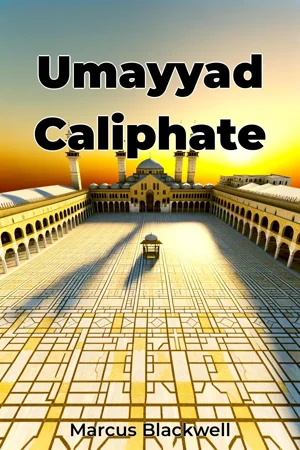
About This Book
The transformation of a modest Arabian dynasty into one of history's most influential empires marks the remarkable story of the Umayyad Caliphate (661-750 CE). This comprehensive examination traces how the Umayyads established the first hereditary dynasty in Islamic history and created an administrative framework that would influence governance across three continents. The book explores three primary themes: the political mechanisms that enabled the Umayyads to maintain power across a vast territory, the sophisticated administrative systems they developed, and their lasting cultural impact on art, architecture, and social structures. These interconnected elements reveal how the Umayyads laid the groundwork for subsequent Islamic empires and shaped the medieval world. Beginning with Mu'awiya ibn Abi Sufyan's rise to power, the narrative examines how the Umayyads transformed the loosely organized Arabian conquest state into a centralized empire. The text details their implementation of a professional bureaucracy, standardized currency, and efficient taxation systems—innovations that proved crucial for managing territories from Spain to Central Asia. The book's central argument posits that the Umayyad Caliphate's success stemmed from its ability to blend Arabian political traditions with Byzantine and Persian administrative practices. This synthesis created a distinctive governmental model that balanced central authority with regional autonomy, while maintaining Islamic principles of governance. Through detailed analysis of primary sources, including administrative documents, archaeological findings, and contemporary chronicles, the work reconstructs the complex network of relationships between the caliphal court, provincial governors, and local elites. Special attention is given to the Umayyads' architectural legacy, from the Dome of the Rock in Jerusalem to the Great Mosque of Damascus, which exemplified their fusion of religious authority with imperial grandeur. The text connects multiple disciplines, linking Islamic studies with architectural history, economic analysis, and social anthropology. This interdisciplinary approach provides readers with a nuanced understanding of how religious, political, and cultural forces interacted during this pivotal period. The book addresses significant scholarly debates, including the nature of early Islamic state formation and the extent of continuation versus innovation in Umayyad administrative practices. It challenges traditional narratives that oversimplify the dynasty's achievements and presents a more nuanced view of their contributions to Islamic civilization. Written in an academic yet accessible style, this work serves scholars, students, and general readers interested in Islamic history, medieval studies, and the development of complex political systems. The text maintains scholarly rigor while explaining complex concepts clearly, making it valuable for both academic research and classroom use. The scope encompasses the entire Umayyad period, with particular focus on the dynasty's peak years and their eventual decline, providing context for understanding both their successes and limitations. The work concludes by examining the Umayyads' lasting influence on Islamic political thought, architectural practices, and administrative systems, demonstrating their enduring relevance to contemporary discussions of governance and cultural synthesis in the Islamic world.
The transformation of a modest Arabian dynasty into one of history's most influential empires marks the remarkable story of the Umayyad Caliphate (661-750 CE). This comprehensive examination traces how the Umayyads established the first hereditary dynasty in Islamic history and created an administrative framework that would influence governance across three continents. The book explores three primary themes: the political mechanisms that enabled the Umayyads to maintain power across a vast territory, the sophisticated administrative systems they developed, and their lasting cultural impact on art, architecture, and social structures. These interconnected elements reveal how the Umayyads laid the groundwork for subsequent Islamic empires and shaped the medieval world. Beginning with Mu'awiya ibn Abi Sufyan's rise to power, the narrative examines how the Umayyads transformed the loosely organized Arabian conquest state into a centralized empire. The text details their implementation of a professional bureaucracy, standardized currency, and efficient taxation systems—innovations that proved crucial for managing territories from Spain to Central Asia. The book's central argument posits that the Umayyad Caliphate's success stemmed from its ability to blend Arabian political traditions with Byzantine and Persian administrative practices. This synthesis created a distinctive governmental model that balanced central authority with regional autonomy, while maintaining Islamic principles of governance. Through detailed analysis of primary sources, including administrative documents, archaeological findings, and contemporary chronicles, the work reconstructs the complex network of relationships between the caliphal court, provincial governors, and local elites. Special attention is given to the Umayyads' architectural legacy, from the Dome of the Rock in Jerusalem to the Great Mosque of Damascus, which exemplified their fusion of religious authority with imperial grandeur. The text connects multiple disciplines, linking Islamic studies with architectural history, economic analysis, and social anthropology. This interdisciplinary approach provides readers with a nuanced understanding of how religious, political, and cultural forces interacted during this pivotal period. The book addresses significant scholarly debates, including the nature of early Islamic state formation and the extent of continuation versus innovation in Umayyad administrative practices. It challenges traditional narratives that oversimplify the dynasty's achievements and presents a more nuanced view of their contributions to Islamic civilization. Written in an academic yet accessible style, this work serves scholars, students, and general readers interested in Islamic history, medieval studies, and the development of complex political systems. The text maintains scholarly rigor while explaining complex concepts clearly, making it valuable for both academic research and classroom use. The scope encompasses the entire Umayyad period, with particular focus on the dynasty's peak years and their eventual decline, providing context for understanding both their successes and limitations. The work concludes by examining the Umayyads' lasting influence on Islamic political thought, architectural practices, and administrative systems, demonstrating their enduring relevance to contemporary discussions of governance and cultural synthesis in the Islamic world.
"Umayyad Caliphate" explores the remarkable transformation of a modest Arabian dynasty into one of history's most influential empires during 661-750 CE. This comprehensive work examines how the Umayyads established the first hereditary dynasty in Islamic history, creating sophisticated administrative systems that would influence governance across three continents. Through their innovative blend of Arabian political traditions with Byzantine and Persian practices, the Umayyads developed a unique governmental model that effectively balanced central authority with regional autonomy while maintaining Islamic principles. The book meticulously traces the dynasty's evolution from Mu'awiya ibn Abi Sufyan's rise to power through their peak years and eventual decline. It highlights their remarkable achievements, including the implementation of standardized currency, professional bureaucracy, and efficient taxation systems - innovations that proved crucial for managing territories stretching from Spain to Central Asia. Particularly fascinating are the Umayyads' architectural contributions, exemplified by the iconic Dome of the Rock in Jerusalem and the Great Mosque of Damascus, which symbolized their successful fusion of religious authority with imperial grandeur. Through an interdisciplinary approach combining Islamic studies, architectural history, economic analysis, and social anthropology, the book presents a nuanced understanding of this pivotal period. The narrative challenges oversimplified traditional accounts, offering readers a sophisticated yet accessible analysis of how the Umayyads shaped medieval Islamic civilization through their political, administrative, and cultural innovations. This comprehensive examination makes complex historical concepts accessible to both academic and general audiences while maintaining scholarly rigor.
Book Details
ISBN
9788233980306
Publisher
Publifye AS
Your Licenses
You don't own any licenses for this book
Purchase a license below to unlock this book and download the EPUB.
Purchase License
Select a tier to unlock this book
Need bulk licensing?
Contact us for enterprise agreements.