
About This Book
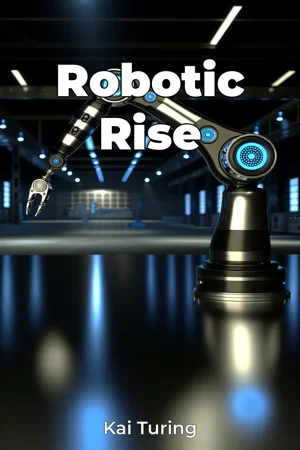
What happens when the boundaries between human-engineered machinery and autonomous intelligence begin to blur? "Robotic Rise" navigates the intricate landscape where mechanical engineering converges with artificial intelligence, presenting a detailed examination of how these fields are reshaping our world. The book systematically explores the evolution of robotics from its industrial origins to today's sophisticated AI-integrated systems. It begins by establishing the fundamental principles of mechanical engineering that underpin modern robotics, including actuator design, kinematic chains, and control systems. This foundation sets the stage for understanding how traditional mechanical systems have evolved into intelligent, adaptive machines. Through comprehensive analysis, the text examines three primary areas: industrial automation, collaborative robotics, and autonomous systems. Each section builds upon the previous, demonstrating how advances in AI have transformed basic mechanical systems into increasingly sophisticated platforms capable of complex decision-making and adaptation. The book's core thesis argues that the integration of AI with mechanical systems represents not just a technological advancement, but a fundamental shift in how we approach engineering design and human-machine interaction. This argument is supported by extensive research data from leading robotics laboratories, industrial implementation cases, and emerging academic studies in the field. Readers will find detailed explanations of key concepts such as: - The principles of sensor fusion and real-time processing in modern robotic systems - Machine learning algorithms that enable adaptive control in variable environments - The engineering challenges of creating reliable human-robot interaction systems The content is structured to progress from theoretical foundations to practical applications, incorporating real-world examples from manufacturing, healthcare, and service robotics. Each chapter includes technical specifications, design considerations, and implementation challenges, making the material relevant for both students and practicing engineers. The book draws from multiple disciplines, connecting mechanical engineering principles with computer science, materials science, and cognitive psychology. This interdisciplinary approach provides readers with a comprehensive understanding of how different fields contribute to modern robotics development. Written in a technical yet accessible style, the text balances detailed engineering concepts with clear explanations suitable for readers with varying levels of expertise. It serves as both a professional reference for engineers and a comprehensive guide for students and technology enthusiasts. The scope encompasses current technology while acknowledging emerging trends, including: - The role of soft robotics in creating more adaptable systems - Ethical considerations in autonomous system deployment - Integration challenges between legacy systems and new AI-driven platforms Practical applications are emphasized throughout, with specific attention to: - Implementation strategies for industrial automation - Programming approaches for collaborative robots - System integration methods for AI components The book addresses ongoing debates in the field, such as the optimal balance between autonomous capability and human control, and the implications of increasingly intelligent systems in the workplace. It presents multiple perspectives while maintaining a factual, engineering-focused approach. Target readers include mechanical engineers, robotics specialists, AI developers, and students in related technical fields who seek to understand the intersection of physical systems and artificial intelligence. The content provides both theoretical knowledge and practical insights necessary for participating in this rapidly evolving field.
What happens when the boundaries between human-engineered machinery and autonomous intelligence begin to blur? "Robotic Rise" navigates the intricate landscape where mechanical engineering converges with artificial intelligence, presenting a detailed examination of how these fields are reshaping our world. The book systematically explores the evolution of robotics from its industrial origins to today's sophisticated AI-integrated systems. It begins by establishing the fundamental principles of mechanical engineering that underpin modern robotics, including actuator design, kinematic chains, and control systems. This foundation sets the stage for understanding how traditional mechanical systems have evolved into intelligent, adaptive machines. Through comprehensive analysis, the text examines three primary areas: industrial automation, collaborative robotics, and autonomous systems. Each section builds upon the previous, demonstrating how advances in AI have transformed basic mechanical systems into increasingly sophisticated platforms capable of complex decision-making and adaptation. The book's core thesis argues that the integration of AI with mechanical systems represents not just a technological advancement, but a fundamental shift in how we approach engineering design and human-machine interaction. This argument is supported by extensive research data from leading robotics laboratories, industrial implementation cases, and emerging academic studies in the field. Readers will find detailed explanations of key concepts such as: - The principles of sensor fusion and real-time processing in modern robotic systems - Machine learning algorithms that enable adaptive control in variable environments - The engineering challenges of creating reliable human-robot interaction systems The content is structured to progress from theoretical foundations to practical applications, incorporating real-world examples from manufacturing, healthcare, and service robotics. Each chapter includes technical specifications, design considerations, and implementation challenges, making the material relevant for both students and practicing engineers. The book draws from multiple disciplines, connecting mechanical engineering principles with computer science, materials science, and cognitive psychology. This interdisciplinary approach provides readers with a comprehensive understanding of how different fields contribute to modern robotics development. Written in a technical yet accessible style, the text balances detailed engineering concepts with clear explanations suitable for readers with varying levels of expertise. It serves as both a professional reference for engineers and a comprehensive guide for students and technology enthusiasts. The scope encompasses current technology while acknowledging emerging trends, including: - The role of soft robotics in creating more adaptable systems - Ethical considerations in autonomous system deployment - Integration challenges between legacy systems and new AI-driven platforms Practical applications are emphasized throughout, with specific attention to: - Implementation strategies for industrial automation - Programming approaches for collaborative robots - System integration methods for AI components The book addresses ongoing debates in the field, such as the optimal balance between autonomous capability and human control, and the implications of increasingly intelligent systems in the workplace. It presents multiple perspectives while maintaining a factual, engineering-focused approach. Target readers include mechanical engineers, robotics specialists, AI developers, and students in related technical fields who seek to understand the intersection of physical systems and artificial intelligence. The content provides both theoretical knowledge and practical insights necessary for participating in this rapidly evolving field.
"Robotic Rise" explores the transformative convergence of mechanical engineering and artificial intelligence, offering a comprehensive examination of how traditional machinery evolves into intelligent, autonomous systems. The book uniquely bridges the gap between conventional robotics and modern AI integration, making complex concepts accessible through real-world applications and detailed technical explanations. The text progresses systematically from fundamental mechanical engineering principles to advanced AI-driven systems, covering three key areas: industrial automation, collaborative robotics, and autonomous systems. Through detailed case studies and research data from leading laboratories, readers gain practical insights into crucial developments like sensor fusion technology and adaptive control systems. The book's interdisciplinary approach combines mechanical engineering fundamentals with elements of computer science and cognitive psychology, providing a holistic understanding of modern robotics. Structured for both academic and professional audiences, the content moves from theoretical foundations to practical implementations, addressing current challenges in human-robot interaction and system integration. What sets this book apart is its balanced treatment of technical specifications and real-world applications, making it valuable for both experienced engineers and students entering the field. The inclusion of emerging trends in soft robotics and ethical considerations in autonomous systems ensures readers understand both current capabilities and future directions in robotics engineering.
Book Details
ISBN
9788233980269
Publisher
Publifye AS
Your Licenses
You don't own any licenses for this book
Purchase a license below to unlock this book and download the EPUB.
Purchase License
Select a tier to unlock this book
Need bulk licensing?
Contact us for enterprise agreements.