
About This Book
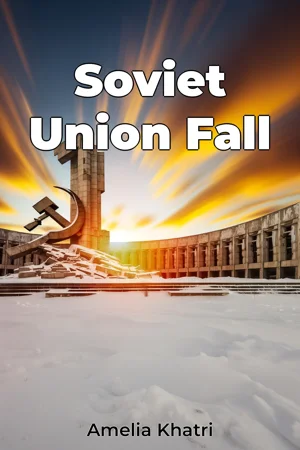
The collapse of the world's largest communist state in 1991 marked one of the most significant geopolitical transformations of the 20th century. "Soviet Union Fall" presents a detailed analysis of the complex factors that led to this momentous event, examining the intricate web of political decisions, economic pressures, and social changes that brought about the end of a superpower. The book systematically explores three primary themes: the fundamental structural weaknesses in the Soviet economic system, the impact of Mikhail Gorbachev's reforms, and the cascade of events that accelerated the dissolution process from 1989 to 1991. Through extensive research drawing from recently declassified documents, personal interviews with key political figures, and economic data from the period, the author constructs a comprehensive narrative of this pivotal historical moment. The first section examines the long-term economic challenges that plagued the Soviet system, including centralized planning inefficiencies, agricultural underperformance, and the burden of military spending during the Cold War. The author presents statistical evidence showing how these factors created unsustainable pressures on the Soviet economy by the 1980s. Moving into the Gorbachev era, the book analyzes how policies of perestroika (restructuring) and glasnost (openness) unexpectedly accelerated the system's instability. Through detailed policy analysis and firsthand accounts from former Soviet officials, readers gain insight into how reforms designed to save the Soviet system instead contributed to its downfall. The final sections focus on the immediate triggers of dissolution, including the rise of nationalist movements in Soviet republics, the failed coup attempt of August 1991, and the eventual formation of independent states. The author draws connections between these events and their lasting impact on modern global politics, particularly regarding Russia's relationship with former Soviet states and the West. The book incorporates interdisciplinary perspectives from economics, political science, and social history to provide a nuanced understanding of this complex historical process. It addresses ongoing debates about whether the Soviet Union's collapse was inevitable or the result of specific policy choices, examining competing interpretations from various scholars and participants. Written in an analytical style that balances academic rigor with accessibility, this work is particularly valuable for students of international relations, political scientists, and readers interested in understanding contemporary global politics. The author maintains an objective approach while discussing controversial aspects, such as the role of Western influence and the impact of nationalist movements. The book's scope extends beyond the immediate dissolution period to examine the implications for modern international relations, including the emergence of new political alignments, economic relationships, and security challenges in the post-Soviet space. It provides readers with frameworks for understanding current tensions between Russia and former Soviet republics, as well as ongoing debates about political and economic transition in post-communist states. Through careful analysis of primary sources and contemporary scholarship, the book offers fresh insights into this crucial historical transition. It serves as both a detailed historical account and a valuable resource for understanding the contemporary geopolitical landscape, making it essential reading for those seeking to comprehend the forces that continue to shape international relations in the 21st century.
The collapse of the world's largest communist state in 1991 marked one of the most significant geopolitical transformations of the 20th century. "Soviet Union Fall" presents a detailed analysis of the complex factors that led to this momentous event, examining the intricate web of political decisions, economic pressures, and social changes that brought about the end of a superpower. The book systematically explores three primary themes: the fundamental structural weaknesses in the Soviet economic system, the impact of Mikhail Gorbachev's reforms, and the cascade of events that accelerated the dissolution process from 1989 to 1991. Through extensive research drawing from recently declassified documents, personal interviews with key political figures, and economic data from the period, the author constructs a comprehensive narrative of this pivotal historical moment. The first section examines the long-term economic challenges that plagued the Soviet system, including centralized planning inefficiencies, agricultural underperformance, and the burden of military spending during the Cold War. The author presents statistical evidence showing how these factors created unsustainable pressures on the Soviet economy by the 1980s. Moving into the Gorbachev era, the book analyzes how policies of perestroika (restructuring) and glasnost (openness) unexpectedly accelerated the system's instability. Through detailed policy analysis and firsthand accounts from former Soviet officials, readers gain insight into how reforms designed to save the Soviet system instead contributed to its downfall. The final sections focus on the immediate triggers of dissolution, including the rise of nationalist movements in Soviet republics, the failed coup attempt of August 1991, and the eventual formation of independent states. The author draws connections between these events and their lasting impact on modern global politics, particularly regarding Russia's relationship with former Soviet states and the West. The book incorporates interdisciplinary perspectives from economics, political science, and social history to provide a nuanced understanding of this complex historical process. It addresses ongoing debates about whether the Soviet Union's collapse was inevitable or the result of specific policy choices, examining competing interpretations from various scholars and participants. Written in an analytical style that balances academic rigor with accessibility, this work is particularly valuable for students of international relations, political scientists, and readers interested in understanding contemporary global politics. The author maintains an objective approach while discussing controversial aspects, such as the role of Western influence and the impact of nationalist movements. The book's scope extends beyond the immediate dissolution period to examine the implications for modern international relations, including the emergence of new political alignments, economic relationships, and security challenges in the post-Soviet space. It provides readers with frameworks for understanding current tensions between Russia and former Soviet republics, as well as ongoing debates about political and economic transition in post-communist states. Through careful analysis of primary sources and contemporary scholarship, the book offers fresh insights into this crucial historical transition. It serves as both a detailed historical account and a valuable resource for understanding the contemporary geopolitical landscape, making it essential reading for those seeking to comprehend the forces that continue to shape international relations in the 21st century.
"Soviet Union Fall" provides a comprehensive examination of one of the 20th century's most significant geopolitical events: the dissolution of the world's largest communist state in 1991. Through meticulous analysis of declassified documents, interviews with key figures, and economic data, the book unravels the complex web of factors that led to this momentous collapse. The narrative skillfully weaves together three crucial elements: the Soviet system's inherent economic weaknesses, Gorbachev's transformative reforms of perestroika and glasnost, and the cascade of events from 1989 to 1991 that precipitated the final dissolution. The book progresses chronologically, beginning with an exploration of long-term structural problems in the Soviet economy, including the inefficiencies of centralized planning and the crushing burden of military expenditure during the Cold War. It then delves into the Gorbachev era, revealing how reforms intended to preserve the system paradoxically accelerated its downfall. The author draws particular attention to the failed coup attempt of August 1991 and the rise of nationalist movements in Soviet republics, demonstrating how these events proved decisive in the ultimate breakup of the USSR. What sets this work apart is its interdisciplinary approach, combining economic analysis, political insights, and social history to create a nuanced understanding of the Soviet collapse. The author maintains scholarly objectivity while examining controversial aspects, such as Western influence and the role of nationalist movements, making the complex subject matter accessible to both academic and general readers interested in international relations and contemporary global politics.
Book Details
ISBN
9788233980160
Publisher
Publifye AS
Your Licenses
You don't own any licenses for this book
Purchase a license below to unlock this book and download the EPUB.
Purchase License
Select a tier to unlock this book
Need bulk licensing?
Contact us for enterprise agreements.