
About This Book
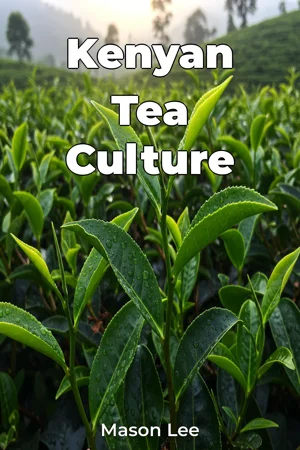
Have you ever considered the intricate social tapestry woven into each cup of Kenyan tea? "Kenyan Tea Culture" delves into the rich history, preparation methods, and profound social significance of tea within Kenyan society. This book will explore the cultivation practices passed down through generations, the meticulous rituals of tea preparation, and the central role of tea in fostering community and cultural identity. These topics are important because they reveal how a seemingly simple beverage can embody complex cultural values, historical narratives, and economic realities. This exploration necessitates an understanding of Kenya's colonial history, the introduction of tea cultivation, and the subsequent impact on local communities. Prior knowledge of basic agricultural practices and an interest in cultural anthropology will enhance the reader's appreciation of the book's arguments. The central argument of "Kenyan Tea Culture" posits that tea in Kenya is far more than a mere commodity; it functions as a potent symbol of social cohesion, economic empowerment, and the preservation of Kenyan traditions in the face of globalization. Understanding this argument is crucial for appreciating the nuanced ways in which culture is shaped by and shapes everyday practices. The book is structured to guide the reader through a comprehensive understanding of Kenyan tea culture. It begins by introducing the historical context of tea’s arrival in Kenya and its initial adoption. The development of ideas progresses through three major sections: first, an in-depth look at the traditional farming practices, focusing on sustainable methods and the role of smallholder farmers; second, a detailed examination of tea preparation rituals, highlighting regional variations and the significance of specific tools and techniques; and third, an analysis of the social contexts in which tea is consumed, such as family gatherings, community meetings, and business negotiations. The book culminates by demonstrating how these elements collectively contribute to a distinct Kenyan identity. It also explores the practical implications of understanding these cultural nuances for businesses operating in Kenya and for promoting sustainable tourism. The evidence presented draws upon a variety of research methods, including ethnographic fieldwork conducted in tea-growing regions, interviews with tea farmers and community elders, archival research into colonial records and agricultural reports, and analysis of contemporary Kenyan literature and media. Unique data sources include oral histories collected directly from Kenyan families who have been involved in tea cultivation for generations. "Kenyan Tea Culture" connects to other fields of study. The first is agricultural economics, particularly in understanding the impact of global markets on local tea farmers. The second is postcolonial studies, examining how tea production has shaped power dynamics and cultural identities in the wake of colonialism. The third connection lies in food studies, exploring the intersection of food, culture, and society. These connections enrich the book’s argument by providing a multi-faceted perspective on Kenyan tea culture. The book differentiates itself by adopting an interdisciplinary approach that combines agricultural science, cultural anthropology, and historical analysis to offer a holistic understanding of Kenyan tea culture. This approach moves beyond simply documenting practices to analyzing the underlying social, economic, and political forces that shape them. The book adopts a narrative non-fiction style, blending academic rigor with engaging storytelling to make the information accessible to a broad audience. This approach allows for the inclusion of personal anecdotes and vivid descriptions that bring the subject matter to life. The target audience includes students and scholars of African studies, food studies, and cultural anthropology, as well as tea enthusiasts, travelers interested in Kenyan culture, and professionals working in the tea industry. The book would be valuable to them because it provides a comprehensive and nuanced understanding of a culture deeply intertwined with tea production and consumption. As a work of social science, the book strives for objectivity and empirical support, while also acknowledging the subjective experiences and perspectives of the individuals and communities being studied and offers a balanced view encompassing various viewpoints. The scope of the book is limited to the study of tea culture within Kenya, with a focus on traditional practices and their contemporary relevance. It does not delve into the broader global tea trade or comparative analyses with other tea-producing regions in detail. The information presented can be applied practically by readers seeking to understand Kenyan business etiquette, promote ethical sourcing of tea, or develop culturally sensitive tourism initiatives. While generally celebrated, some debates exist regarding the long-term sustainability of current tea farming practices and the equitable distribution of profits within the tea industry. Where appropriate, the book will address these discussions.
Have you ever considered the intricate social tapestry woven into each cup of Kenyan tea? "Kenyan Tea Culture" delves into the rich history, preparation methods, and profound social significance of tea within Kenyan society. This book will explore the cultivation practices passed down through generations, the meticulous rituals of tea preparation, and the central role of tea in fostering community and cultural identity. These topics are important because they reveal how a seemingly simple beverage can embody complex cultural values, historical narratives, and economic realities. This exploration necessitates an understanding of Kenya's colonial history, the introduction of tea cultivation, and the subsequent impact on local communities. Prior knowledge of basic agricultural practices and an interest in cultural anthropology will enhance the reader's appreciation of the book's arguments. The central argument of "Kenyan Tea Culture" posits that tea in Kenya is far more than a mere commodity; it functions as a potent symbol of social cohesion, economic empowerment, and the preservation of Kenyan traditions in the face of globalization. Understanding this argument is crucial for appreciating the nuanced ways in which culture is shaped by and shapes everyday practices. The book is structured to guide the reader through a comprehensive understanding of Kenyan tea culture. It begins by introducing the historical context of tea’s arrival in Kenya and its initial adoption. The development of ideas progresses through three major sections: first, an in-depth look at the traditional farming practices, focusing on sustainable methods and the role of smallholder farmers; second, a detailed examination of tea preparation rituals, highlighting regional variations and the significance of specific tools and techniques; and third, an analysis of the social contexts in which tea is consumed, such as family gatherings, community meetings, and business negotiations. The book culminates by demonstrating how these elements collectively contribute to a distinct Kenyan identity. It also explores the practical implications of understanding these cultural nuances for businesses operating in Kenya and for promoting sustainable tourism. The evidence presented draws upon a variety of research methods, including ethnographic fieldwork conducted in tea-growing regions, interviews with tea farmers and community elders, archival research into colonial records and agricultural reports, and analysis of contemporary Kenyan literature and media. Unique data sources include oral histories collected directly from Kenyan families who have been involved in tea cultivation for generations. "Kenyan Tea Culture" connects to other fields of study. The first is agricultural economics, particularly in understanding the impact of global markets on local tea farmers. The second is postcolonial studies, examining how tea production has shaped power dynamics and cultural identities in the wake of colonialism. The third connection lies in food studies, exploring the intersection of food, culture, and society. These connections enrich the book’s argument by providing a multi-faceted perspective on Kenyan tea culture. The book differentiates itself by adopting an interdisciplinary approach that combines agricultural science, cultural anthropology, and historical analysis to offer a holistic understanding of Kenyan tea culture. This approach moves beyond simply documenting practices to analyzing the underlying social, economic, and political forces that shape them. The book adopts a narrative non-fiction style, blending academic rigor with engaging storytelling to make the information accessible to a broad audience. This approach allows for the inclusion of personal anecdotes and vivid descriptions that bring the subject matter to life. The target audience includes students and scholars of African studies, food studies, and cultural anthropology, as well as tea enthusiasts, travelers interested in Kenyan culture, and professionals working in the tea industry. The book would be valuable to them because it provides a comprehensive and nuanced understanding of a culture deeply intertwined with tea production and consumption. As a work of social science, the book strives for objectivity and empirical support, while also acknowledging the subjective experiences and perspectives of the individuals and communities being studied and offers a balanced view encompassing various viewpoints. The scope of the book is limited to the study of tea culture within Kenya, with a focus on traditional practices and their contemporary relevance. It does not delve into the broader global tea trade or comparative analyses with other tea-producing regions in detail. The information presented can be applied practically by readers seeking to understand Kenyan business etiquette, promote ethical sourcing of tea, or develop culturally sensitive tourism initiatives. While generally celebrated, some debates exist regarding the long-term sustainability of current tea farming practices and the equitable distribution of profits within the tea industry. Where appropriate, the book will address these discussions.
"Kenyan Tea Culture" explores the profound importance of tea within Kenyan society, revealing how this beverage is deeply intertwined with cultural identity, social cohesion, and economic empowerment. The book highlights that Kenyan tea isn't just a commodity; it's a symbol of community, reflecting values passed down through generations. Tea preparation rituals vary regionally, showcasing the diverse cultural practices embedded in Kenyan traditions. The book's approach guides readers through a historical context, examining tea's arrival in Kenya and its subsequent adoption. It investigates sustainable farming practices employed by smallholder farmers, delves into the significance of specific tools and techniques used in tea preparation, and analyzes social contexts like family gatherings where tea is consumed. This exploration demonstrates how these elements collectively contribute to a distinct Kenyan identity, offering insights into the complex interplay between culture and everyday practices. Ultimately, "Kenyan Tea Culture" provides a comprehensive understanding of Kenyan tea culture by combining agricultural science, cultural anthropology, and historical analysis, making it valuable for anyone interested in African studies, food studies, or Kenyan traditions.
Book Details
ISBN
9788233979997
Publisher
Publifye AS
Your Licenses
You don't own any licenses for this book
Purchase a license below to unlock this book and download the EPUB.
Purchase License
Select a tier to unlock this book
Need bulk licensing?
Contact us for enterprise agreements.