
About This Book
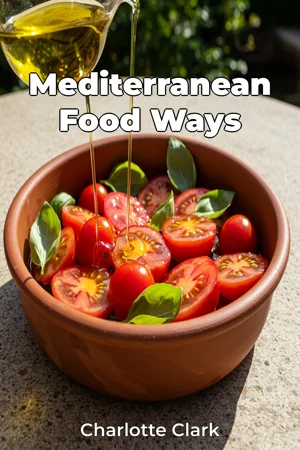
Why has the Mediterranean diet, a culinary tradition rooted in centuries of history, consistently ranked among the healthiest eating patterns worldwide? "Mediterranean Food Ways" delves into the intricate relationship between traditional Mediterranean dietary patterns and the social contexts in which they thrive. This book explores two key topics: the nutritional composition of traditional Mediterranean diets and the anthropological significance of social eating customs in the region. Understanding these elements is vital because they offer insights into the region's health benefits and the cultural importance of food. The book offers an understanding of how these practices contribute to overall well-being. To fully appreciate the Mediterranean food ways, the book establishes the context in which they developed. It examines the impact of geography, climate, and historical trade routes on shaping the distinctive culinary traditions of the Mediterranean basin. Understanding the historical context helps readers grasp the origins and evolution of specific dietary practices and social customs. The central argument of "Mediterranean Food Ways" is that the health benefits associated with the Mediterranean diet extend beyond its nutritional components, intricately intertwined with deeply ingrained social eating customs. These customs enhance nutritional intake and promote social cohesion, contributing to the overall health and well-being of Mediterranean populations. The book begins by introducing the core principles of the traditional Mediterranean diet, emphasizing the consumption of plant-based foods, olive oil, fish, and moderate amounts of dairy and meat. It further explores three major points: first, the nutritional profiles of key food groups like whole grains, legumes, fruits, and vegetables, highlighting their specific health benefits. Second, it examines the social and cultural dimensions of meals, focusing on the importance of shared meals, food preparation, and the role of food in celebrations and rituals. Third, it analyzes the impact of modernization and globalization on traditional food ways and the potential consequences for public health. The book culminates in a discussion of practical strategies for adapting Mediterranean dietary and social eating principles to contemporary lifestyles, promoting healthier and more sustainable food practices. To support its arguments, the book draws upon a wide range of evidence from nutritional and anthropological studies. This includes dietary surveys, biochemical analyses of food composition, ethnographic research on food-related behaviors, and historical accounts of Mediterranean food culture. "Mediterranean Food Ways" connects to several other fields, including public health, sociology, and environmental studies. By integrating perspectives from these disciplines, the book provides a holistic understanding of the complex interplay between food, culture, and health in the Mediterranean region. This book offers a distinctive perspective by combining nutritional analysis with anthropological insights into the social and cultural context of food. This interdisciplinary approach distinguishes it from purely nutritional guides or cultural studies. Written in an accessible style, "Mediterranean Food Ways" is intended for a broad audience, including nutritionists, healthcare professionals, culinary enthusiasts, and anyone interested in learning more about the health and cultural benefits of the Mediterranean diet. This book is valuable to those seeking to promote better eating habits and appreciate the cultural significance of food. As a work of non-fiction rooted in scientific and social science research, "Mediterranean Food Ways" seeks to inform and educate readers through accurate and evidence-based content. The book focuses primarily on the traditional food ways of select regions within the Mediterranean, acknowledging the diverse culinary landscapes across the basin. The lessons of "Mediterranean Food Ways" can be directly applied to promote healthier eating habits, foster social connections through food, and make informed food choices that align with both nutritional and cultural values. While the benefits of the Mediterranean diet are well-documented, debates persist regarding the optimal composition of the diet and the relative importance of different food groups. The book addresses these controversies by presenting a balanced overview of the current state of research and highlighting areas where further investigation is needed.
Why has the Mediterranean diet, a culinary tradition rooted in centuries of history, consistently ranked among the healthiest eating patterns worldwide? "Mediterranean Food Ways" delves into the intricate relationship between traditional Mediterranean dietary patterns and the social contexts in which they thrive. This book explores two key topics: the nutritional composition of traditional Mediterranean diets and the anthropological significance of social eating customs in the region. Understanding these elements is vital because they offer insights into the region's health benefits and the cultural importance of food. The book offers an understanding of how these practices contribute to overall well-being. To fully appreciate the Mediterranean food ways, the book establishes the context in which they developed. It examines the impact of geography, climate, and historical trade routes on shaping the distinctive culinary traditions of the Mediterranean basin. Understanding the historical context helps readers grasp the origins and evolution of specific dietary practices and social customs. The central argument of "Mediterranean Food Ways" is that the health benefits associated with the Mediterranean diet extend beyond its nutritional components, intricately intertwined with deeply ingrained social eating customs. These customs enhance nutritional intake and promote social cohesion, contributing to the overall health and well-being of Mediterranean populations. The book begins by introducing the core principles of the traditional Mediterranean diet, emphasizing the consumption of plant-based foods, olive oil, fish, and moderate amounts of dairy and meat. It further explores three major points: first, the nutritional profiles of key food groups like whole grains, legumes, fruits, and vegetables, highlighting their specific health benefits. Second, it examines the social and cultural dimensions of meals, focusing on the importance of shared meals, food preparation, and the role of food in celebrations and rituals. Third, it analyzes the impact of modernization and globalization on traditional food ways and the potential consequences for public health. The book culminates in a discussion of practical strategies for adapting Mediterranean dietary and social eating principles to contemporary lifestyles, promoting healthier and more sustainable food practices. To support its arguments, the book draws upon a wide range of evidence from nutritional and anthropological studies. This includes dietary surveys, biochemical analyses of food composition, ethnographic research on food-related behaviors, and historical accounts of Mediterranean food culture. "Mediterranean Food Ways" connects to several other fields, including public health, sociology, and environmental studies. By integrating perspectives from these disciplines, the book provides a holistic understanding of the complex interplay between food, culture, and health in the Mediterranean region. This book offers a distinctive perspective by combining nutritional analysis with anthropological insights into the social and cultural context of food. This interdisciplinary approach distinguishes it from purely nutritional guides or cultural studies. Written in an accessible style, "Mediterranean Food Ways" is intended for a broad audience, including nutritionists, healthcare professionals, culinary enthusiasts, and anyone interested in learning more about the health and cultural benefits of the Mediterranean diet. This book is valuable to those seeking to promote better eating habits and appreciate the cultural significance of food. As a work of non-fiction rooted in scientific and social science research, "Mediterranean Food Ways" seeks to inform and educate readers through accurate and evidence-based content. The book focuses primarily on the traditional food ways of select regions within the Mediterranean, acknowledging the diverse culinary landscapes across the basin. The lessons of "Mediterranean Food Ways" can be directly applied to promote healthier eating habits, foster social connections through food, and make informed food choices that align with both nutritional and cultural values. While the benefits of the Mediterranean diet are well-documented, debates persist regarding the optimal composition of the diet and the relative importance of different food groups. The book addresses these controversies by presenting a balanced overview of the current state of research and highlighting areas where further investigation is needed.
"Mediterranean Food Ways" explores the time-honored dietary patterns of the Mediterranean, revealing why this culinary tradition consistently ranks among the world's healthiest. It uniquely combines nutritional analysis with anthropological insights, examining not only the dietary components but also the social eating customs that enhance well-being. Did you know that the Mediterranean diet emphasizes plant-based foods, olive oil, and fish, with moderate amounts of dairy and meat? The book also highlights how shared meals and food preparation play important roles in social cohesion and overall health. The book examines the impact of geography, climate, and historical trade routes on shaping the region's culinary traditions. It progresses from introducing the core principles of the Mediterranean diet to exploring the nutritional profiles of key food groups and analyzing the impact of modernization on traditional food ways. Ultimately, it offers practical strategies for adapting Mediterranean principles to contemporary lifestyles, promoting healthier and more sustainable food practices.
Book Details
ISBN
9788233979645
Publisher
Publifye AS
Your Licenses
You don't own any licenses for this book
Purchase a license below to unlock this book and download the EPUB.
Purchase License
Select a tier to unlock this book
Need bulk licensing?
Contact us for enterprise agreements.