
About This Book
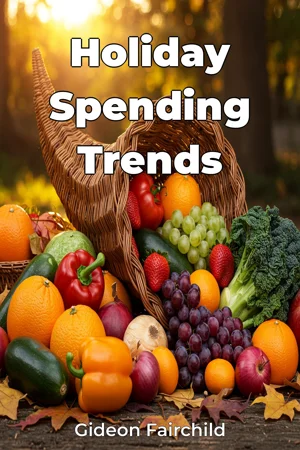
Have you ever wondered how national holidays truly impact the economy and shape our cultural landscape? "Holiday Spending Trends" delves into the intricate relationship between consumer behavior, retail dynamics, and cultural expenditure during these significant periods. This book offers a comprehensive analysis of how holidays influence our spending habits and reflect broader societal values. This exploration is crucial because it sheds light on the economic engines driving retail sectors during peak seasons like Christmas, Thanksgiving, and Independence Day. Understanding these trends allows businesses to forecast demand more accurately, tailor marketing strategies effectively, and optimize resource allocation, ultimately boosting profitability. Furthermore, analyzing holiday spending reveals shifting cultural norms and the evolving ways societies celebrate and commemorate important occasions, making it relevant to economists, sociologists, and cultural anthropologists. To fully grasp the complexities of holiday spending, we will first establish a foundational understanding of key economic principles, consumer behavior theories, and historical contexts surrounding major national holidays. This groundwork provides the necessary framework to analyze the data and interpret the trends effectively. "Holiday Spending Trends" posits that national holidays serve as both economic catalysts and cultural mirrors, reflecting and reinforcing societal values through consumer behavior. We argue that fluctuations in holiday spending are not merely random market occurrences but are deeply intertwined with economic conditions, cultural shifts, and psychological factors influencing individual purchasing decisions. The book is structured into three principal sections. First, we introduce the core concepts of consumer behavior and economic indicators relevant to holiday spending. Second, we systematically analyze retail sales data and cultural expenditure patterns across various national holidays, drawing comparisons and identifying significant trends. These holidays include, but are not limited to, Christmas, Thanksgiving, Easter, and major federal holidays. Third, we synthesize the findings to demonstrate the interconnectedness of economic activity and cultural expression during these periods, culminating in practical implications for businesses and policymakers. The analysis will utilize a combination of quantitative and qualitative data obtained from retail sales reports, government statistics, consumer surveys, and ethnographic studies. Special attention will be given to longitudinal data analysis, allowing us to identify long-term trends and cyclical patterns in holiday spending. This book connects to diverse fields such as marketing, psychology, and sociology. By integrating concepts from marketing, we gain insights into how advertising and promotional strategies influence purchasing decisions. Psychological frameworks help explain the emotional and cognitive factors driving consumer behavior during holidays. Sociological perspectives illuminate how holidays function to reinforce social bonds and cultural identities. "Holiday Spending Trends" adopts a data-driven approach, providing robust empirical evidence to support its arguments. The book presents a balanced perspective, acknowledging the complexities and nuances of consumer behavior while maintaining a clear and concise analytical framework. The primary audience includes business professionals in the retail sector, marketing analysts, economists, and social scientists interested in understanding the multifaceted impact of national holidays. It serves as a valuable resource for students and academics seeking a comprehensive overview of consumer behavior and cultural expenditure patterns. This book adheres to the conventions of social science and economic analysis, emphasizing empirical evidence, rigorous methodology, and objective interpretation of data. While the book aims to provide a comprehensive overview, the scope is limited to analyzing publicly available data and published research. The focus is on national trends, with less emphasis on regional variations or niche markets. The information presented in "Holiday Spending Trends" can be practically applied by businesses to optimize inventory management, refine marketing strategies, and improve customer engagement during holiday seasons. Policymakers can leverage these insights to forecast economic activity and implement effective fiscal policies. While the book seeks to provide an objective analysis, it acknowledges ongoing debates surrounding the commercialization of holidays and the potential negative impacts of excessive consumerism. By addressing these controversies, "Holiday Spending Trends" aims to foster a more nuanced understanding of the role of holidays in modern society.
Have you ever wondered how national holidays truly impact the economy and shape our cultural landscape? "Holiday Spending Trends" delves into the intricate relationship between consumer behavior, retail dynamics, and cultural expenditure during these significant periods. This book offers a comprehensive analysis of how holidays influence our spending habits and reflect broader societal values. This exploration is crucial because it sheds light on the economic engines driving retail sectors during peak seasons like Christmas, Thanksgiving, and Independence Day. Understanding these trends allows businesses to forecast demand more accurately, tailor marketing strategies effectively, and optimize resource allocation, ultimately boosting profitability. Furthermore, analyzing holiday spending reveals shifting cultural norms and the evolving ways societies celebrate and commemorate important occasions, making it relevant to economists, sociologists, and cultural anthropologists. To fully grasp the complexities of holiday spending, we will first establish a foundational understanding of key economic principles, consumer behavior theories, and historical contexts surrounding major national holidays. This groundwork provides the necessary framework to analyze the data and interpret the trends effectively. "Holiday Spending Trends" posits that national holidays serve as both economic catalysts and cultural mirrors, reflecting and reinforcing societal values through consumer behavior. We argue that fluctuations in holiday spending are not merely random market occurrences but are deeply intertwined with economic conditions, cultural shifts, and psychological factors influencing individual purchasing decisions. The book is structured into three principal sections. First, we introduce the core concepts of consumer behavior and economic indicators relevant to holiday spending. Second, we systematically analyze retail sales data and cultural expenditure patterns across various national holidays, drawing comparisons and identifying significant trends. These holidays include, but are not limited to, Christmas, Thanksgiving, Easter, and major federal holidays. Third, we synthesize the findings to demonstrate the interconnectedness of economic activity and cultural expression during these periods, culminating in practical implications for businesses and policymakers. The analysis will utilize a combination of quantitative and qualitative data obtained from retail sales reports, government statistics, consumer surveys, and ethnographic studies. Special attention will be given to longitudinal data analysis, allowing us to identify long-term trends and cyclical patterns in holiday spending. This book connects to diverse fields such as marketing, psychology, and sociology. By integrating concepts from marketing, we gain insights into how advertising and promotional strategies influence purchasing decisions. Psychological frameworks help explain the emotional and cognitive factors driving consumer behavior during holidays. Sociological perspectives illuminate how holidays function to reinforce social bonds and cultural identities. "Holiday Spending Trends" adopts a data-driven approach, providing robust empirical evidence to support its arguments. The book presents a balanced perspective, acknowledging the complexities and nuances of consumer behavior while maintaining a clear and concise analytical framework. The primary audience includes business professionals in the retail sector, marketing analysts, economists, and social scientists interested in understanding the multifaceted impact of national holidays. It serves as a valuable resource for students and academics seeking a comprehensive overview of consumer behavior and cultural expenditure patterns. This book adheres to the conventions of social science and economic analysis, emphasizing empirical evidence, rigorous methodology, and objective interpretation of data. While the book aims to provide a comprehensive overview, the scope is limited to analyzing publicly available data and published research. The focus is on national trends, with less emphasis on regional variations or niche markets. The information presented in "Holiday Spending Trends" can be practically applied by businesses to optimize inventory management, refine marketing strategies, and improve customer engagement during holiday seasons. Policymakers can leverage these insights to forecast economic activity and implement effective fiscal policies. While the book seeks to provide an objective analysis, it acknowledges ongoing debates surrounding the commercialization of holidays and the potential negative impacts of excessive consumerism. By addressing these controversies, "Holiday Spending Trends" aims to foster a more nuanced understanding of the role of holidays in modern society.
"Holiday Spending Trends" explores how national holidays significantly influence the economy and reflect cultural values through consumer behavior. It examines the driving forces behind retail sales during peak seasons such as Christmas and Thanksgiving, revealing how these periods act as both economic catalysts and cultural mirrors. The book highlights that fluctuations in holiday spending are intricately linked to economic conditions, cultural shifts, and psychological factors affecting individual purchasing decisions, offering insights into retail trends and societal values. The book starts by establishing a foundational understanding of economic principles and consumer behavior theories. It systematically analyzes retail sales data and cultural expenditure patterns across major national holidays, drawing comparisons and identifying significant trends. Utilizing a combination of quantitative and qualitative data from retail sales reports and consumer surveys, the analysis reveals long-term trends and cyclical patterns in holiday spending. This unique approach connects diverse fields like marketing, psychology, and sociology to understand the multifaceted impact of holidays. The book provides empirical evidence and practical implications for businesses to optimize marketing strategies and for policymakers to forecast economic activity, making it a valuable resource for business professionals, economists, and social scientists.
Book Details
ISBN
9788233979560
Publisher
Publifye AS
Your Licenses
You don't own any licenses for this book
Purchase a license below to unlock this book and download the EPUB.
Purchase License
Select a tier to unlock this book
Need bulk licensing?
Contact us for enterprise agreements.