
About This Book
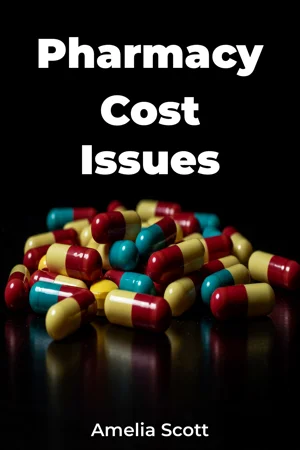
Why does the same prescription medication cost vastly different amounts depending on where you live, which pharmacy you visit, and who is paying the bill? “Pharmacy Cost Issues” delves into the complex and often opaque world of prescription drug pricing, providing a comprehensive analysis of the factors that contribute to variations in cost. This book examines the economic, medical, and social forces that shape the pharmaceutical marketplace, with a focus on generic alternatives, government subsidy schemes, and overall global spending patterns. This study is crucial because understanding prescription drug pricing is vital for patients, healthcare providers, policymakers, and economists. For patients, it means informed decision-making about treatment options and managing healthcare expenses. For providers, it informs prescribing practices and patient counseling. For policymakers, it's essential for designing effective healthcare policies and ensuring equitable access to medications. For economists, it provides a case study in market inefficiencies and the impact of government interventions. Within this context, "Pharmacy Cost Issues" argues that current prescription drug pricing models are unsustainable and often inequitable, disproportionately burdening vulnerable populations and hindering optimal healthcare outcomes. Access to affordable medications is not just a healthcare issue; it is fundamentally an economic justice issue. The book begins by introducing the fundamental concepts of pharmaceutical economics, including the drug development process, market exclusivity, and the role of patents. It then dissects the components of drug pricing, from manufacturing costs to pharmacy markups. The core of the book is structured around three major themes. First, it examines the impact of generic drugs on cost savings, analyzing the barriers to generic substitution and the strategies used by pharmaceutical companies to maintain market share. Second, it explores the role of government subsidy schemes, such as Medicare and Medicaid in the United States, and similar programs internationally, assessing their effectiveness in controlling costs and ensuring access. Third, it presents a comparative analysis of global spending data on prescription drugs, highlighting the disparities between countries and identifying best practices in cost containment. The book culminates in a set of policy recommendations aimed at promoting greater transparency, competition, and affordability in the pharmaceutical market. The analysis draws on a variety of evidence, including pharmaceutical company financial reports, government data on drug spending, academic research on healthcare economics, and case studies of specific drugs and pricing strategies. The book employs econometric analysis to quantify the impact of various factors on drug prices, and qualitative analysis to explore the ethical and social dimensions of access to medications. “Pharmacy Cost Issues” connects to several related disciplines. Health economics provides the theoretical framework for understanding market dynamics and policy interventions. Public health informs the analysis of health outcomes related to medication access. Political science sheds light on the lobbying efforts and regulatory capture that influence pharmaceutical policy. This book adopts a data-driven, analytical approach, presenting complex information in a clear and accessible manner. While grounded in economic theory, the book also incorporates real-world examples and case studies to illustrate the practical implications of its findings. The intended audience includes healthcare professionals, policymakers, economists, students, and anyone interested in understanding the challenges of accessing affordable medications. It offers valuable insights for navigating the complex landscape of prescription drug costs and advocating for more equitable healthcare policies. The scope of "Pharmacy Cost Issues" is broad, covering a wide range of prescription drugs and healthcare systems. However, it is intentionally limited to prescription medications, excluding over-the-counter drugs and other healthcare costs. The book also focuses primarily on developed countries, although it includes some analysis of developing countries to provide a global perspective. The information presented in this book can be applied in various practical ways. Patients can use it to negotiate drug prices and explore generic alternatives. Healthcare providers can use it to make informed prescribing decisions and advocate for their patients. Policymakers can use it to develop evidence-based policies that promote access to affordable medications. “Pharmacy Cost Issues” directly addresses several ongoing debates in the field of pharmaceutical economics, including the role of patents in driving up drug prices, the effectiveness of price controls, and the ethical responsibilities of pharmaceutical companies. By providing a comprehensive and data-driven analysis of these issues, this book aims to contribute to a more informed and productive discussion about how to ensure that everyone has access to the medications they need to live healthy and productive lives.
Why does the same prescription medication cost vastly different amounts depending on where you live, which pharmacy you visit, and who is paying the bill? “Pharmacy Cost Issues” delves into the complex and often opaque world of prescription drug pricing, providing a comprehensive analysis of the factors that contribute to variations in cost. This book examines the economic, medical, and social forces that shape the pharmaceutical marketplace, with a focus on generic alternatives, government subsidy schemes, and overall global spending patterns. This study is crucial because understanding prescription drug pricing is vital for patients, healthcare providers, policymakers, and economists. For patients, it means informed decision-making about treatment options and managing healthcare expenses. For providers, it informs prescribing practices and patient counseling. For policymakers, it's essential for designing effective healthcare policies and ensuring equitable access to medications. For economists, it provides a case study in market inefficiencies and the impact of government interventions. Within this context, "Pharmacy Cost Issues" argues that current prescription drug pricing models are unsustainable and often inequitable, disproportionately burdening vulnerable populations and hindering optimal healthcare outcomes. Access to affordable medications is not just a healthcare issue; it is fundamentally an economic justice issue. The book begins by introducing the fundamental concepts of pharmaceutical economics, including the drug development process, market exclusivity, and the role of patents. It then dissects the components of drug pricing, from manufacturing costs to pharmacy markups. The core of the book is structured around three major themes. First, it examines the impact of generic drugs on cost savings, analyzing the barriers to generic substitution and the strategies used by pharmaceutical companies to maintain market share. Second, it explores the role of government subsidy schemes, such as Medicare and Medicaid in the United States, and similar programs internationally, assessing their effectiveness in controlling costs and ensuring access. Third, it presents a comparative analysis of global spending data on prescription drugs, highlighting the disparities between countries and identifying best practices in cost containment. The book culminates in a set of policy recommendations aimed at promoting greater transparency, competition, and affordability in the pharmaceutical market. The analysis draws on a variety of evidence, including pharmaceutical company financial reports, government data on drug spending, academic research on healthcare economics, and case studies of specific drugs and pricing strategies. The book employs econometric analysis to quantify the impact of various factors on drug prices, and qualitative analysis to explore the ethical and social dimensions of access to medications. “Pharmacy Cost Issues” connects to several related disciplines. Health economics provides the theoretical framework for understanding market dynamics and policy interventions. Public health informs the analysis of health outcomes related to medication access. Political science sheds light on the lobbying efforts and regulatory capture that influence pharmaceutical policy. This book adopts a data-driven, analytical approach, presenting complex information in a clear and accessible manner. While grounded in economic theory, the book also incorporates real-world examples and case studies to illustrate the practical implications of its findings. The intended audience includes healthcare professionals, policymakers, economists, students, and anyone interested in understanding the challenges of accessing affordable medications. It offers valuable insights for navigating the complex landscape of prescription drug costs and advocating for more equitable healthcare policies. The scope of "Pharmacy Cost Issues" is broad, covering a wide range of prescription drugs and healthcare systems. However, it is intentionally limited to prescription medications, excluding over-the-counter drugs and other healthcare costs. The book also focuses primarily on developed countries, although it includes some analysis of developing countries to provide a global perspective. The information presented in this book can be applied in various practical ways. Patients can use it to negotiate drug prices and explore generic alternatives. Healthcare providers can use it to make informed prescribing decisions and advocate for their patients. Policymakers can use it to develop evidence-based policies that promote access to affordable medications. “Pharmacy Cost Issues” directly addresses several ongoing debates in the field of pharmaceutical economics, including the role of patents in driving up drug prices, the effectiveness of price controls, and the ethical responsibilities of pharmaceutical companies. By providing a comprehensive and data-driven analysis of these issues, this book aims to contribute to a more informed and productive discussion about how to ensure that everyone has access to the medications they need to live healthy and productive lives.
"Pharmacy Cost Issues" unravels the complexities of prescription drug pricing, a critical issue impacting patients, healthcare providers, and policymakers alike. The book examines why medication costs vary so dramatically and explores the economic forces at play within the pharmaceutical market. One intriguing aspect discussed is how pharmaceutical companies strategize to maintain market share, even when generic drugs offer more affordable alternatives. Furthermore, the analysis reveals the disparities in global spending on prescription medications, highlighting the urgent need for equitable healthcare policies. The book approaches this intricate subject with a data-driven analysis, presenting information in an accessible manner while delving into the roles of generic drugs, government subsidy schemes, and global spending patterns. It argues that current drug pricing models are often unsustainable, disproportionately affecting vulnerable populations. Access to affordable medications is framed not just as a healthcare issue, but as one of economic justice. The book progresses by first introducing pharmaceutical economics, then dissecting drug pricing components. It examines the impact of generic drugs, explores government subsidy schemes, and presents a comparative analysis of global spending. Ultimately, "Pharmacy Cost Issues" offers policy recommendations aimed at fostering greater transparency, competition, and affordability within the pharmaceutical market, emphasizing the importance of affordable medications and healthcare expenses.
Book Details
ISBN
9788233978488
Publisher
Publifye AS
Your Licenses
You don't own any licenses for this book
Purchase a license below to unlock this book and download the EPUB.
Purchase License
Select a tier to unlock this book
Need bulk licensing?
Contact us for enterprise agreements.