
About This Book
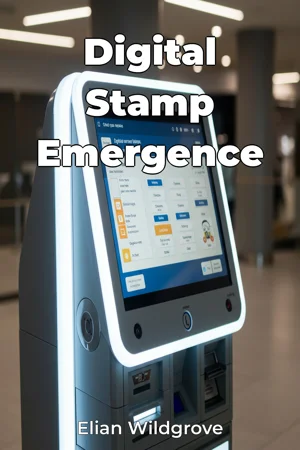
Are you ready to abandon traditional stamps and embrace the digital revolution transforming postal services worldwide? "Digital Stamp Emergence" delves into the rise of electronic postage solutions and self-service kiosks, examining the technological adoption patterns that shape this evolving landscape. This book explores how digital postage is reshaping business and personal communication, impacting efficiency, cost-effectiveness, and accessibility. This book primarily examines two key areas: the technological development of electronic postage systems and the proliferation of self-service kiosks for postal needs. Why are these important? Electronic postage offers streamlined solutions for mail processing, reducing reliance on physical stamps and manual sorting. Self-service kiosks expand access to postal services beyond traditional post office hours and locations. Together, they signify a fundamental shift towards digitized and automated postal solutions, impacting businesses, consumers, and postal organizations. The evolution of postage from physical stamps to digital alternatives mirrors broader technological advancements. This book will trace the historical context, from early franking machines to modern online postage platforms, outlining the factors that have driven the adoption of digital solutions. While a background in postal history is helpful, clear explanations will ensure that the concepts are accessible to all readers. The central argument of "Digital Stamp Emergence" is that the integration of electronic postage and self-service kiosks represents a significant step toward a more efficient, accessible, and cost-effective postal system. It emphasizes the transformative potential of digital technologies to modernize postal operations and enhance user experience. This book unfolds in a structured manner. It begins by introducing the core concepts of electronic postage and self-service kiosks, delving into their functionalities and benefits. Then, it explores the technology adoption patterns among businesses and consumers, analyzing the drivers and barriers to widespread implementation. It discusses factors such as cost, convenience, security, and regulatory frameworks. Finally, it culminates in a discussion of the future of postage, considering emerging technologies like blockchain and AI, and their potential impact on postal services. The arguments presented are supported by empirical data gathered from industry reports, market analyses, case studies of successful implementations, and surveys of user experiences. The book draws on data from postal organizations, technology vendors, and research institutions to provide a comprehensive and evidence-based analysis. "Digital Stamp Emergence" connects to several fields, including information technology, business management, and public policy. The IT aspects involve the software and hardware infrastructure of digital postage systems. Business management is relevant because these solutions impact operational efficiency and cost reduction. Public policy considerations arise from regulatory frameworks and the role of postal services in serving citizens. This book offers a novel perspective by examining the convergence of electronic postage and self-service kiosks as a holistic solution. It analyzes not only the technologies themselves but also the social, economic, and regulatory factors that influence their adoption. The tone is informative and analytical, presenting the information in a clear and objective manner suitable for professionals and academics. The primary audience includes postal industry professionals, technology consultants, business managers, policymakers, and students of business and technology management. This book offers valuable insights into the latest trends, challenges, and opportunities in the evolving postal landscape. As a work of technology and business, "Digital Stamp Emergence" adheres to rigorous standards of accuracy, objectivity, and thoroughness. It provides detailed analysis and practical insights while avoiding overly technical jargon. The book’s scope encompasses primarily the technological and business aspects of digital postage adoption, with some discussion on the social impact of the technology. It does not delve into the deep technical detail of cryptography or network protocols. The information presented can be applied in various ways. Postal organizations can use it to inform their technology investment decisions. Businesses can leverage it to optimize their mail processing operations. Policymakers can use it to develop regulatory frameworks that promote innovation and efficiency. The book acknowledges debates within the postal industry regarding the role of digital technologies, addressing concerns related to data security, privacy, and equitable access. It seeks to provide a balanced perspective on these complex issues, offering insights into potential solutions and mitigation strategies.
Are you ready to abandon traditional stamps and embrace the digital revolution transforming postal services worldwide? "Digital Stamp Emergence" delves into the rise of electronic postage solutions and self-service kiosks, examining the technological adoption patterns that shape this evolving landscape. This book explores how digital postage is reshaping business and personal communication, impacting efficiency, cost-effectiveness, and accessibility. This book primarily examines two key areas: the technological development of electronic postage systems and the proliferation of self-service kiosks for postal needs. Why are these important? Electronic postage offers streamlined solutions for mail processing, reducing reliance on physical stamps and manual sorting. Self-service kiosks expand access to postal services beyond traditional post office hours and locations. Together, they signify a fundamental shift towards digitized and automated postal solutions, impacting businesses, consumers, and postal organizations. The evolution of postage from physical stamps to digital alternatives mirrors broader technological advancements. This book will trace the historical context, from early franking machines to modern online postage platforms, outlining the factors that have driven the adoption of digital solutions. While a background in postal history is helpful, clear explanations will ensure that the concepts are accessible to all readers. The central argument of "Digital Stamp Emergence" is that the integration of electronic postage and self-service kiosks represents a significant step toward a more efficient, accessible, and cost-effective postal system. It emphasizes the transformative potential of digital technologies to modernize postal operations and enhance user experience. This book unfolds in a structured manner. It begins by introducing the core concepts of electronic postage and self-service kiosks, delving into their functionalities and benefits. Then, it explores the technology adoption patterns among businesses and consumers, analyzing the drivers and barriers to widespread implementation. It discusses factors such as cost, convenience, security, and regulatory frameworks. Finally, it culminates in a discussion of the future of postage, considering emerging technologies like blockchain and AI, and their potential impact on postal services. The arguments presented are supported by empirical data gathered from industry reports, market analyses, case studies of successful implementations, and surveys of user experiences. The book draws on data from postal organizations, technology vendors, and research institutions to provide a comprehensive and evidence-based analysis. "Digital Stamp Emergence" connects to several fields, including information technology, business management, and public policy. The IT aspects involve the software and hardware infrastructure of digital postage systems. Business management is relevant because these solutions impact operational efficiency and cost reduction. Public policy considerations arise from regulatory frameworks and the role of postal services in serving citizens. This book offers a novel perspective by examining the convergence of electronic postage and self-service kiosks as a holistic solution. It analyzes not only the technologies themselves but also the social, economic, and regulatory factors that influence their adoption. The tone is informative and analytical, presenting the information in a clear and objective manner suitable for professionals and academics. The primary audience includes postal industry professionals, technology consultants, business managers, policymakers, and students of business and technology management. This book offers valuable insights into the latest trends, challenges, and opportunities in the evolving postal landscape. As a work of technology and business, "Digital Stamp Emergence" adheres to rigorous standards of accuracy, objectivity, and thoroughness. It provides detailed analysis and practical insights while avoiding overly technical jargon. The book’s scope encompasses primarily the technological and business aspects of digital postage adoption, with some discussion on the social impact of the technology. It does not delve into the deep technical detail of cryptography or network protocols. The information presented can be applied in various ways. Postal organizations can use it to inform their technology investment decisions. Businesses can leverage it to optimize their mail processing operations. Policymakers can use it to develop regulatory frameworks that promote innovation and efficiency. The book acknowledges debates within the postal industry regarding the role of digital technologies, addressing concerns related to data security, privacy, and equitable access. It seeks to provide a balanced perspective on these complex issues, offering insights into potential solutions and mitigation strategies.
"Digital Stamp Emergence" explores the transformation of postal services through digital stamps and self-service kiosks. This shift towards electronic postage promises streamlined mail processing, reducing the reliance on physical stamps. The book highlights how self-service kiosks are expanding access to postal services beyond traditional post office locations and hours. The book traces the evolution from early franking machines to modern online postage platforms, examining the factors driving technology adoption in the postal industry. You'll discover how integrating electronic postage and self-service kiosks can lead to a more efficient and cost-effective postal system. This book presents empirical data from industry reports and user experience surveys to support its arguments. The book progresses by first introducing the functionalities and benefits of electronic postage and self-service kiosks. It then analyzes technology adoption patterns among businesses and consumers, discussing factors like cost, security, and regulatory frameworks. Finally, it explores the future of postage, considering emerging technologies and their potential impact, making it valuable for postal industry professionals, technology consultants, and business managers.
Book Details
ISBN
9788233978334
Publisher
Publifye AS
Your Licenses
You don't own any licenses for this book
Purchase a license below to unlock this book and download the EPUB.
Purchase License
Select a tier to unlock this book
Need bulk licensing?
Contact us for enterprise agreements.