
About This Book
Have you ever considered that your sleep habits could be directly impacting your digestion? This book, "Sleep Digestion Link," delves into the intricate relationship between sleep patterns and digestive function, exploring how your body’s natural rhythms influence your overall health. We aim to illuminate the science behind this connection, offering insights that can empower you to optimize both your sleep and your digestive well-being. The core of this exploration lies in three key areas: circadian rhythms, the gut-brain axis, and the impact of sleep disturbances on digestive processes. Circadian rhythms, our internal 24-hour clocks, regulate numerous bodily functions, including digestion. Understanding how these rhythms affect gut motility, enzyme production, and nutrient absorption is crucial. The gut-brain axis, a bidirectional communication system, highlights the profound influence of the gut microbiome on brain function and vice versa; sleep disruptions can alter the gut microbiome, leading to digestive issues and potentially affecting mood and cognitive function. Finally, we examine specific sleep disorders and suboptimal sleep patterns, demonstrating how they can disrupt digestive processes, leading to conditions like irritable bowel syndrome (IBS), acid reflux, and inflammatory bowel disease (IBD). These topics are vital because they bridge the gap between sleep science and digestive health, offering a holistic view of well-being. The scientific understanding of circadian biology has evolved significantly over the past few decades, with groundbreaking research revealing the molecular mechanisms that govern our internal clocks. Concurrently, advancements in microbiome research have highlighted the critical role of gut bacteria in various aspects of health. This book integrates these emerging fields to provide a timely and comprehensive analysis of the sleep-digestion nexus. It is our contention that optimizing sleep is a crucial, often overlooked, factor in maintaining healthy digestive function, and that a deeper understanding of this relationship will allow individuals to take proactive steps toward improved health outcomes. "Sleep Digestion Link" is structured to guide you through this complex topic in a clear and logical manner. We begin by introducing the fundamental concepts of circadian rhythms, the gut-brain axis, and the physiology of sleep, ensuring all readers have a solid foundation. Subsequent chapters delve into specific sleep disorders, such as insomnia, sleep apnea, and shift work sleep disorder, and their demonstrable effects on digestive health, using case studies and research findings to illustrate key points. We will present the latest research findings derived from human studies analyzing the impact of varied sleep duration and quality on digestive biomarkers and patient reported clinical outcomes. The book culminates with a section dedicated to practical strategies for improving both sleep and digestion. The evidence presented throughout this book is drawn from a wide range of scientific sources, including peer-reviewed research articles, clinical trials, and meta-analyses. We will analyze data from sleep studies (polysomnography), gut microbiome analyses (16S rRNA sequencing, metagenomics), and digestive function tests (gastric emptying studies, intestinal permeability assessments). The book also draws connections to related fields such as nutrition, psychology, and endocrinology. Nutritional choices, for example, are intrinsically linked to both sleep and digestion, with dietary factors influencing circadian rhythms and gut microbiome composition. Psychological stress can disrupt sleep and exacerbate digestive symptoms via the gut-brain axis. Hormones like melatonin and cortisol play a crucial role in regulating both sleep and digestion, creating a complex interplay that needs to be considered. A key aspect of this book is its focus on personalized approaches to sleep and digestive health. We recognize that individual responses to sleep disturbances and dietary changes can vary significantly. Therefore, we emphasize the importance of identifying individual chronotypes (morning vs. evening preferences), evaluating sleep quality, and assessing gut microbiome composition to tailor interventions effectively. The tone of "Sleep Digestion Link" is informative and accessible. While grounded in scientific rigor, the book is written in a style that is easy to understand for a general audience. We avoid technical jargon whenever possible and provide clear explanations of complex concepts. This book is ideally suited for individuals interested in improving their overall health and well-being, particularly those experiencing digestive issues. Healthcare professionals, including doctors, nurses, and dietitians, will also find this book a valuable resource for understanding the interconnections between sleep and digestion. We aim to provide a comprehensive overview of the sleep-digestion relationship, acknowledging that some areas are still under active investigation. While we cover a broad range of sleep and digestive disorders, we recognize that individual conditions may require specialized medical attention. Our goal is to educate and empower readers to take proactive steps towards optimizing their health, but the book is not intended to replace professional medical advice. The strategies outlined in "Sleep Digestion Link" can be readily applied in real-world settings. From implementing better sleep hygiene practices to making dietary adjustments that support both sleep and digestion, the book offers practical guidance for improving overall well-being. Finally, we address ongoing debates within the field, such as the precise mechanisms by which sleep deprivation affects gut permeability and the optimal strategies for restoring gut microbiome balance after sleep disturbances. By presenting different perspectives and highlighting areas of uncertainty, we encourage readers to critically evaluate the evidence and engage in informed discussions.
Have you ever considered that your sleep habits could be directly impacting your digestion? This book, "Sleep Digestion Link," delves into the intricate relationship between sleep patterns and digestive function, exploring how your body’s natural rhythms influence your overall health. We aim to illuminate the science behind this connection, offering insights that can empower you to optimize both your sleep and your digestive well-being. The core of this exploration lies in three key areas: circadian rhythms, the gut-brain axis, and the impact of sleep disturbances on digestive processes. Circadian rhythms, our internal 24-hour clocks, regulate numerous bodily functions, including digestion. Understanding how these rhythms affect gut motility, enzyme production, and nutrient absorption is crucial. The gut-brain axis, a bidirectional communication system, highlights the profound influence of the gut microbiome on brain function and vice versa; sleep disruptions can alter the gut microbiome, leading to digestive issues and potentially affecting mood and cognitive function. Finally, we examine specific sleep disorders and suboptimal sleep patterns, demonstrating how they can disrupt digestive processes, leading to conditions like irritable bowel syndrome (IBS), acid reflux, and inflammatory bowel disease (IBD). These topics are vital because they bridge the gap between sleep science and digestive health, offering a holistic view of well-being. The scientific understanding of circadian biology has evolved significantly over the past few decades, with groundbreaking research revealing the molecular mechanisms that govern our internal clocks. Concurrently, advancements in microbiome research have highlighted the critical role of gut bacteria in various aspects of health. This book integrates these emerging fields to provide a timely and comprehensive analysis of the sleep-digestion nexus. It is our contention that optimizing sleep is a crucial, often overlooked, factor in maintaining healthy digestive function, and that a deeper understanding of this relationship will allow individuals to take proactive steps toward improved health outcomes. "Sleep Digestion Link" is structured to guide you through this complex topic in a clear and logical manner. We begin by introducing the fundamental concepts of circadian rhythms, the gut-brain axis, and the physiology of sleep, ensuring all readers have a solid foundation. Subsequent chapters delve into specific sleep disorders, such as insomnia, sleep apnea, and shift work sleep disorder, and their demonstrable effects on digestive health, using case studies and research findings to illustrate key points. We will present the latest research findings derived from human studies analyzing the impact of varied sleep duration and quality on digestive biomarkers and patient reported clinical outcomes. The book culminates with a section dedicated to practical strategies for improving both sleep and digestion. The evidence presented throughout this book is drawn from a wide range of scientific sources, including peer-reviewed research articles, clinical trials, and meta-analyses. We will analyze data from sleep studies (polysomnography), gut microbiome analyses (16S rRNA sequencing, metagenomics), and digestive function tests (gastric emptying studies, intestinal permeability assessments). The book also draws connections to related fields such as nutrition, psychology, and endocrinology. Nutritional choices, for example, are intrinsically linked to both sleep and digestion, with dietary factors influencing circadian rhythms and gut microbiome composition. Psychological stress can disrupt sleep and exacerbate digestive symptoms via the gut-brain axis. Hormones like melatonin and cortisol play a crucial role in regulating both sleep and digestion, creating a complex interplay that needs to be considered. A key aspect of this book is its focus on personalized approaches to sleep and digestive health. We recognize that individual responses to sleep disturbances and dietary changes can vary significantly. Therefore, we emphasize the importance of identifying individual chronotypes (morning vs. evening preferences), evaluating sleep quality, and assessing gut microbiome composition to tailor interventions effectively. The tone of "Sleep Digestion Link" is informative and accessible. While grounded in scientific rigor, the book is written in a style that is easy to understand for a general audience. We avoid technical jargon whenever possible and provide clear explanations of complex concepts. This book is ideally suited for individuals interested in improving their overall health and well-being, particularly those experiencing digestive issues. Healthcare professionals, including doctors, nurses, and dietitians, will also find this book a valuable resource for understanding the interconnections between sleep and digestion. We aim to provide a comprehensive overview of the sleep-digestion relationship, acknowledging that some areas are still under active investigation. While we cover a broad range of sleep and digestive disorders, we recognize that individual conditions may require specialized medical attention. Our goal is to educate and empower readers to take proactive steps towards optimizing their health, but the book is not intended to replace professional medical advice. The strategies outlined in "Sleep Digestion Link" can be readily applied in real-world settings. From implementing better sleep hygiene practices to making dietary adjustments that support both sleep and digestion, the book offers practical guidance for improving overall well-being. Finally, we address ongoing debates within the field, such as the precise mechanisms by which sleep deprivation affects gut permeability and the optimal strategies for restoring gut microbiome balance after sleep disturbances. By presenting different perspectives and highlighting areas of uncertainty, we encourage readers to critically evaluate the evidence and engage in informed discussions.
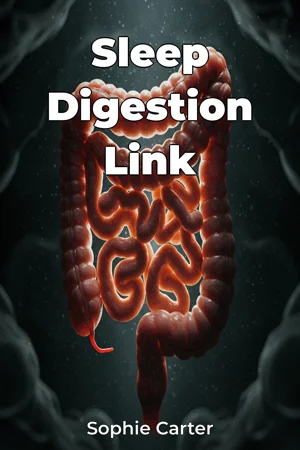
"Sleep Digestion Link" explores the vital connection between sleep and digestive health, revealing how sleep patterns directly influence digestive function. It highlights the importance of understanding your body's natural rhythms, particularly circadian rhythms, which regulate many physiological processes, including gut motility and enzyme production. The book also examines the gut-brain axis, a bidirectional communication system, demonstrating how sleep disruptions can alter the gut microbiome, potentially leading to digestive issues like IBS and acid reflux, and even impacting mood and cognitive function. The book progresses logically, starting with fundamental concepts such as circadian rhythms and the physiology of sleep, before delving into specific sleep disorders and their effects on digestive health. Case studies and research findings illustrate key points, making complex information accessible. A key insight is that optimizing sleep habits is crucial for maintaining healthy digestive function, which is often overlooked. Ultimately, "Sleep Digestion Link" provides practical strategies for improving both sleep and digestion, empowering readers to take proactive steps towards better health outcomes. It draws on scientific research, clinical trials, and meta-analyses, while also making connections to related fields like nutrition and psychology. The book uniquely emphasizes personalized approaches, recognizing that individual responses to sleep disturbances and dietary changes can vary significantly.
Book Details
ISBN
9788233978228
Publisher
Publifye AS
Your Licenses
You don't own any licenses for this book
Purchase a license below to unlock this book and download the EPUB.
Purchase License
Select a tier to unlock this book
Need bulk licensing?
Contact us for enterprise agreements.