
About This Book
Did you know the simple act of breathing could be the missing link in understanding and optimizing your digestive health? "Breathing Gut Health" delves into the profound and often overlooked relationship between respiratory physiology and the intricate workings of our digestive system. This book explores how specific breathing patterns directly influence digestion, nutrient absorption, and overall gut well-being. It is relevant because, in an era of increasing digestive disorders and a growing interest in holistic health, understanding this connection offers a pathway to improved health outcomes. This book presents a central argument: Conscious regulation of breathing patterns can serve as a powerful tool for modulating digestive function and alleviating common gastrointestinal issues. This argument challenges conventional approaches to digestive health that often overlook the impact of the nervous system, where respiratory control plays a crucial role. The book begins by establishing the physiological context, explaining the autonomic nervous system's influence on both respiration and digestion. It clarifies the mechanics of breathing, detailing how different patterns affect vagal nerve stimulation, which is vital for digestive processes. The book then progresses through several key areas: a) Introduction of the Gut-Brain Axis: Detailing the bidirectional communication network between the gut and the brain, and how breathing mediates this interplay. b) Development of Ideas: * The impact of diaphragmatic breathing on stomach acid production, enzyme secretion, and intestinal motility. * Exploration of how stress-induced shallow breathing exacerbates digestive issues like bloating, constipation, and irritable bowel syndrome (IBS). * Specific breathing exercises designed to optimize digestive function tailored to various conditions and individual needs. c) Culmination of the Argument: Synthesizing the research to demonstrate that targeted breathing practices can improve digestive efficiency, reduce inflammation, and foster a healthier gut microbiome. d) Practical Applications: Providing a step-by-step guide to incorporating mindful breathing techniques into daily life to support long-term digestive health. The evidence presented is drawn from a synthesis of respiratory physiology research, clinical studies on digestive disorders, and emerging data on the gut microbiome. This includes analysis of studies using breath biofeedback, vagal nerve stimulation, and microbiome analysis to correlate breathing patterns with digestive outcomes. "Breathing Gut Health" integrates concepts from several disciplines, including: * Respiratory physiology and its influence on the autonomic nervous system. * Gastroenterology, specifically the mechanisms of digestion and common digestive disorders. * Mind-body medicine, highlighting the role of conscious breathing in stress reduction and overall well-being. This interdisciplinary approach enhances the book's argument by providing a comprehensive understanding of the complex interplay between breathing, the nervous system, and the digestive tract. The book adopts a practical, evidence-based approach, presenting complex scientific information in an accessible and engaging manner. While grounded in science, the writing style is conversational, making it approachable for a broad audience seeking actionable strategies for improving their health. The tone is informative and encouraging, empowering readers to take control of their digestive health through simple, yet effective, breathing techniques. The target audience includes individuals experiencing digestive issues such as bloating, constipation, acid reflux, and IBS. It also appeals to health and fitness enthusiasts, yoga practitioners, and anyone interested in holistic approaches to well-being. This book provides valuable insights and practical tools for optimizing digestion and fostering a healthier gut. In alignment with the Health & Fitness and Science Life Sciences genre, the book offers evidence-based advice and practical techniques that readers can easily implement in their daily lives. It presents scientific concepts related to biology and health fitness in a way that is both informative and engaging. While this book explores the influence of breathing on a wide range of digestive processes, its scope is limited to the functional aspects of digestion and does not cover structural abnormalities or medical conditions requiring immediate medical intervention. It focuses on how breathing can be used as a complementary approach to support overall digestive wellness, rather than a replacement for medical treatment. The information presented in this book can be applied in real-world settings through targeted breathing exercises that can be integrated into daily routines. These practices can help alleviate common digestive symptoms, improve nutrient absorption, and foster a healthier gut environment. The effectiveness of breathing techniques for managing certain digestive conditions is an area of ongoing research and, where applicable, the book will address the controversies or debates within the medical community. By acknowledging the nuances and complexities of this field, the book provides a balanced and informed perspective on the role of breathing in gut health.
Did you know the simple act of breathing could be the missing link in understanding and optimizing your digestive health? "Breathing Gut Health" delves into the profound and often overlooked relationship between respiratory physiology and the intricate workings of our digestive system. This book explores how specific breathing patterns directly influence digestion, nutrient absorption, and overall gut well-being. It is relevant because, in an era of increasing digestive disorders and a growing interest in holistic health, understanding this connection offers a pathway to improved health outcomes. This book presents a central argument: Conscious regulation of breathing patterns can serve as a powerful tool for modulating digestive function and alleviating common gastrointestinal issues. This argument challenges conventional approaches to digestive health that often overlook the impact of the nervous system, where respiratory control plays a crucial role. The book begins by establishing the physiological context, explaining the autonomic nervous system's influence on both respiration and digestion. It clarifies the mechanics of breathing, detailing how different patterns affect vagal nerve stimulation, which is vital for digestive processes. The book then progresses through several key areas: a) Introduction of the Gut-Brain Axis: Detailing the bidirectional communication network between the gut and the brain, and how breathing mediates this interplay. b) Development of Ideas: * The impact of diaphragmatic breathing on stomach acid production, enzyme secretion, and intestinal motility. * Exploration of how stress-induced shallow breathing exacerbates digestive issues like bloating, constipation, and irritable bowel syndrome (IBS). * Specific breathing exercises designed to optimize digestive function tailored to various conditions and individual needs. c) Culmination of the Argument: Synthesizing the research to demonstrate that targeted breathing practices can improve digestive efficiency, reduce inflammation, and foster a healthier gut microbiome. d) Practical Applications: Providing a step-by-step guide to incorporating mindful breathing techniques into daily life to support long-term digestive health. The evidence presented is drawn from a synthesis of respiratory physiology research, clinical studies on digestive disorders, and emerging data on the gut microbiome. This includes analysis of studies using breath biofeedback, vagal nerve stimulation, and microbiome analysis to correlate breathing patterns with digestive outcomes. "Breathing Gut Health" integrates concepts from several disciplines, including: * Respiratory physiology and its influence on the autonomic nervous system. * Gastroenterology, specifically the mechanisms of digestion and common digestive disorders. * Mind-body medicine, highlighting the role of conscious breathing in stress reduction and overall well-being. This interdisciplinary approach enhances the book's argument by providing a comprehensive understanding of the complex interplay between breathing, the nervous system, and the digestive tract. The book adopts a practical, evidence-based approach, presenting complex scientific information in an accessible and engaging manner. While grounded in science, the writing style is conversational, making it approachable for a broad audience seeking actionable strategies for improving their health. The tone is informative and encouraging, empowering readers to take control of their digestive health through simple, yet effective, breathing techniques. The target audience includes individuals experiencing digestive issues such as bloating, constipation, acid reflux, and IBS. It also appeals to health and fitness enthusiasts, yoga practitioners, and anyone interested in holistic approaches to well-being. This book provides valuable insights and practical tools for optimizing digestion and fostering a healthier gut. In alignment with the Health & Fitness and Science Life Sciences genre, the book offers evidence-based advice and practical techniques that readers can easily implement in their daily lives. It presents scientific concepts related to biology and health fitness in a way that is both informative and engaging. While this book explores the influence of breathing on a wide range of digestive processes, its scope is limited to the functional aspects of digestion and does not cover structural abnormalities or medical conditions requiring immediate medical intervention. It focuses on how breathing can be used as a complementary approach to support overall digestive wellness, rather than a replacement for medical treatment. The information presented in this book can be applied in real-world settings through targeted breathing exercises that can be integrated into daily routines. These practices can help alleviate common digestive symptoms, improve nutrient absorption, and foster a healthier gut environment. The effectiveness of breathing techniques for managing certain digestive conditions is an area of ongoing research and, where applicable, the book will address the controversies or debates within the medical community. By acknowledging the nuances and complexities of this field, the book provides a balanced and informed perspective on the role of breathing in gut health.
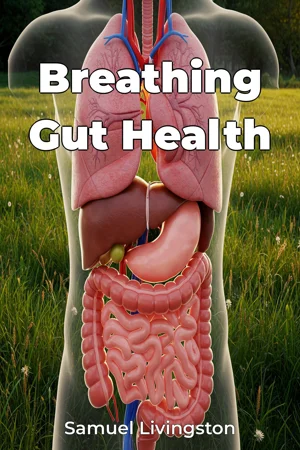
"Breathing Gut Health" explores the underappreciated link between breathing and digestive health, revealing how respiratory patterns can significantly impact our gut. This book argues that conscious breathing regulation is a powerful tool for improving digestive function and alleviating gastrointestinal issues. For example, diaphragmatic breathing can influence stomach acid production and intestinal motility. The book begins by establishing the physiological context around the autonomic nervous system's influence on respiration and digestion. It progresses by detailing the gut-brain axis and the impact of breathing exercises on conditions like IBS. By synthesizing research on respiratory physiology and clinical studies, "Breathing Gut Health" illustrates how targeted breathing practices can improve digestive efficiency, reduce inflammation, and foster a healthier gut microbiome. The book adopts an evidence-based approach, presenting complex scientific information in an accessible manner. It provides a step-by-step guide to incorporating mindful breathing techniques into daily life, empowering readers to take control of their digestive health through simple, effective techniques. Ultimately, it demonstrates how breathing can be a key component of holistic health and well-being.
Book Details
ISBN
9788233978174
Publisher
Publifye AS
Your Licenses
You don't own any licenses for this book
Purchase a license below to unlock this book and download the EPUB.
Purchase License
Select a tier to unlock this book
Need bulk licensing?
Contact us for enterprise agreements.