
About This Book
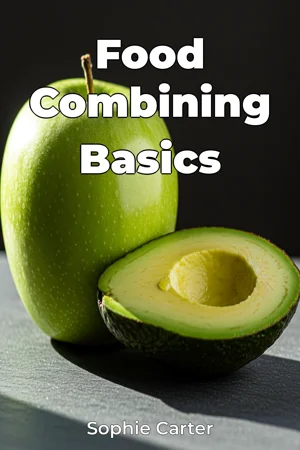
Are you maximizing your digestion for optimal health? "Food Combining Basics" delves into the often-overlooked relationship between food combinations and their effects on digestion and nutrient absorption, based on nutritional science research. This book addresses two core topics: the scientific rationale behind food combining principles and the practical application of these principles for improved digestive health. A third topic is: debunking misconceptions regarding food combining. These topics are important because inefficient digestion can lead to various health issues, including bloating, nutrient deficiencies, and reduced energy levels. Understanding how different foods interact within the digestive system can empower readers to make informed dietary choices. The concept of food combining has roots in various traditional medicine systems, but this book grounds its approach in contemporary nutritional science and biology. Readers will gain a fundamental understanding of digestive processes, including enzyme activity, gastric pH levels, and the transit time of different food types. The central argument of "Food Combining Basics" is that strategic food combining, based on current scientific understanding of digestion, can optimize nutrient absorption and alleviate digestive distress for certain individuals. This argument challenges the conventional "eat everything in moderation" approach by advocating for mindful food pairings to facilitate smoother digestion. The book begins by introducing the key concepts of digestion and nutrient absorption, highlighting the roles of enzymes, stomach acids, and intestinal flora. It then develops the central argument through the following major points: 1. An examination of carbohydrate digestion and the importance of alkaline conditions. 2. An in-depth look at protein digestion and the need for an acidic environment. 3. An analysis of fat digestion and its reliance on bile and specific enzymes. The book culminates by synthesizing this information into practical guidelines for food combining and offering meal planning strategies. Later chapters address common digestive ailments and how adapted food combining may help alleviate some of these issues. The evidence presented in "Food Combining Basics" draws from published studies in nutritional science, gastroenterology, and related fields. The book analyzes existing research data on digestive enzyme activity, gastric emptying rates, and nutrient absorption in relation to various food combinations. "Food Combining Basics" connects to several interdisciplinary areas, including: 1. Biology, through its detailed explanation of digestive physiology. 2. Health & Fitness, by providing practical advice for optimizing digestive health and well-being. 3. Science Life Sciences, for evidence-based approach to food combining. These connections enrich the book's argument by providing a holistic understanding of the interactions between food, the digestive system, and overall health. This book offers a measured approach to the topic. Rather than presenting food combining as a universal cure-all, it emphasizes the importance of individual experimentation and observation in determining the effectiveness of food combining strategies. The tone of "Food Combining Basics" is informative and accessible, aiming to empower readers with the knowledge and tools necessary to make informed decisions. The writing style avoids overly technical jargon, making the concepts clear and easy to understand for a general audience. The target audience includes individuals interested in improving their digestive health, those seeking alternative approaches to managing digestive discomfort, and health enthusiasts looking to optimize their dietary choices. The book is valuable to them because it provides a science-based framework for understanding and implementing food combining principles. As a book in the Health & Fitness genre, "Food Combining Basics" provides practical advice and actionable strategies for improving well-being through dietary modifications. As a book in the Science Life Sciences/Biology genre, the book integrates scientific research and biological principles to support its claims, differentiating it from purely anecdotal or speculative approaches. The book's scope is limited to the effects of food combining on digestion and nutrient absorption. It does not cover other aspects of nutrition, such as calorie counting or macronutrient ratios, in great detail. Readers can apply the information in "Food Combining Basics" by experimenting with different food combinations, observing their individual responses, and adapting their dietary choices accordingly. The book provides practical guidelines and meal planning suggestions to facilitate this process. The book acknowledges that food combining is a topic of ongoing debate within the scientific community. It addresses common criticisms and counterarguments, presenting a balanced perspective that encourages critical thinking and individual experimentation.
Are you maximizing your digestion for optimal health? "Food Combining Basics" delves into the often-overlooked relationship between food combinations and their effects on digestion and nutrient absorption, based on nutritional science research. This book addresses two core topics: the scientific rationale behind food combining principles and the practical application of these principles for improved digestive health. A third topic is: debunking misconceptions regarding food combining. These topics are important because inefficient digestion can lead to various health issues, including bloating, nutrient deficiencies, and reduced energy levels. Understanding how different foods interact within the digestive system can empower readers to make informed dietary choices. The concept of food combining has roots in various traditional medicine systems, but this book grounds its approach in contemporary nutritional science and biology. Readers will gain a fundamental understanding of digestive processes, including enzyme activity, gastric pH levels, and the transit time of different food types. The central argument of "Food Combining Basics" is that strategic food combining, based on current scientific understanding of digestion, can optimize nutrient absorption and alleviate digestive distress for certain individuals. This argument challenges the conventional "eat everything in moderation" approach by advocating for mindful food pairings to facilitate smoother digestion. The book begins by introducing the key concepts of digestion and nutrient absorption, highlighting the roles of enzymes, stomach acids, and intestinal flora. It then develops the central argument through the following major points: 1. An examination of carbohydrate digestion and the importance of alkaline conditions. 2. An in-depth look at protein digestion and the need for an acidic environment. 3. An analysis of fat digestion and its reliance on bile and specific enzymes. The book culminates by synthesizing this information into practical guidelines for food combining and offering meal planning strategies. Later chapters address common digestive ailments and how adapted food combining may help alleviate some of these issues. The evidence presented in "Food Combining Basics" draws from published studies in nutritional science, gastroenterology, and related fields. The book analyzes existing research data on digestive enzyme activity, gastric emptying rates, and nutrient absorption in relation to various food combinations. "Food Combining Basics" connects to several interdisciplinary areas, including: 1. Biology, through its detailed explanation of digestive physiology. 2. Health & Fitness, by providing practical advice for optimizing digestive health and well-being. 3. Science Life Sciences, for evidence-based approach to food combining. These connections enrich the book's argument by providing a holistic understanding of the interactions between food, the digestive system, and overall health. This book offers a measured approach to the topic. Rather than presenting food combining as a universal cure-all, it emphasizes the importance of individual experimentation and observation in determining the effectiveness of food combining strategies. The tone of "Food Combining Basics" is informative and accessible, aiming to empower readers with the knowledge and tools necessary to make informed decisions. The writing style avoids overly technical jargon, making the concepts clear and easy to understand for a general audience. The target audience includes individuals interested in improving their digestive health, those seeking alternative approaches to managing digestive discomfort, and health enthusiasts looking to optimize their dietary choices. The book is valuable to them because it provides a science-based framework for understanding and implementing food combining principles. As a book in the Health & Fitness genre, "Food Combining Basics" provides practical advice and actionable strategies for improving well-being through dietary modifications. As a book in the Science Life Sciences/Biology genre, the book integrates scientific research and biological principles to support its claims, differentiating it from purely anecdotal or speculative approaches. The book's scope is limited to the effects of food combining on digestion and nutrient absorption. It does not cover other aspects of nutrition, such as calorie counting or macronutrient ratios, in great detail. Readers can apply the information in "Food Combining Basics" by experimenting with different food combinations, observing their individual responses, and adapting their dietary choices accordingly. The book provides practical guidelines and meal planning suggestions to facilitate this process. The book acknowledges that food combining is a topic of ongoing debate within the scientific community. It addresses common criticisms and counterarguments, presenting a balanced perspective that encourages critical thinking and individual experimentation.
"Food Combining Basics" explores the impact of food combinations on digestion and nutrient absorption, advocating for mindful food pairings to optimize digestive health based on scientific research. It examines how different foods interact within your digestive system, affecting processes like enzyme activity and gastric pH, potentially leading to bloating or improved nutrient uptake. For example, understanding how alkaline conditions support carbohydrate digestion versus the acidic environment needed for protein digestion is key. The book argues that strategic food combining can alleviate digestive distress, challenging the "eat everything in moderation" approach. It begins with digestion basics and progresses through carbohydrate, protein, and fat digestion, culminating in practical guidelines and meal planning. This approach differentiates itself by grounding food combining principles in biology and nutritional science, rather than anecdotal evidence. Readers will gain insights into digestive processes and learn how to apply food combining strategies, such as experimenting with meal plans to observe individual responses. By understanding these principles, individuals can make informed dietary choices to improve their digestive well-being.
Book Details
ISBN
9788233978099
Publisher
Publifye AS
Your Licenses
You don't own any licenses for this book
Purchase a license below to unlock this book and download the EPUB.
Purchase License
Select a tier to unlock this book
Need bulk licensing?
Contact us for enterprise agreements.