
About This Book
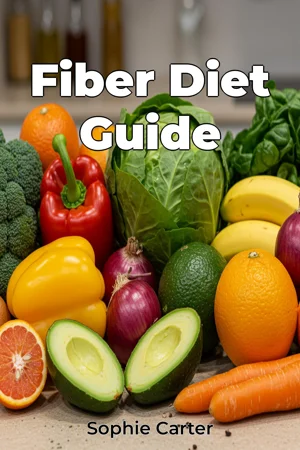
Are you truly harnessing the power of fiber in your diet, or are you missing out on its full potential for optimal health? "Fiber Diet Guide" delves into the science of dietary fiber, providing a research-based examination of fiber types, their diverse digestive benefits, and optimal intake patterns, all drawn from nutritional science studies. This book offers a comprehensive understanding of how fiber works within the body and how to tailor your diet to maximize its advantages. The key topics addressed include a detailed exploration of soluble and insoluble fiber, an analysis of fiber's multifaceted effects on the digestive system, and evidence-based guidelines for achieving optimal daily fiber intake. These topics are significant because understanding the nuances of fiber allows for targeted dietary adjustments that can improve gut health, manage weight, regulate blood sugar, and reduce the risk of chronic diseases. We will place our discussion in the context of evolving nutritional science, tracing fiber's recognition as a vital nutrient and addressing common misconceptions about its role in the diet. No prior scientific expertise is needed; the book presents complex information in an accessible manner for the general reader. The central argument presented is that dietary fiber is not simply a "roughage" but a complex and essential component of a healthy diet, with specific types offering distinct benefits. By understanding these differences and implementing optimal intake strategies, readers can proactively improve their health outcomes. The book is structured to first introduce the fundamental properties of fiber, differentiating between soluble and insoluble types and explaining their respective roles in the digestive process. It then dedicates chapters to the specific health benefits of fiber, including its impact on gut microbiota, its role in weight management and satiety, and its influence on glucose and cholesterol levels. The culmination of the book provides practical guidance on incorporating a variety of fiber-rich foods into the diet, along with strategies for optimizing intake based on individual needs and preferences. The evidence presented throughout the book relies heavily on peer-reviewed nutritional science studies, clinical trials, and meta-analyses. Primary research articles are cited to support claims, and summaries of key findings are presented in an easy-to-understand format. "Fiber Diet Guide" connects to several interdisciplinary fields, including microbiology (in the context of gut health), biochemistry (in the explanation of fiber's metabolic effects), and public health (in its discussion of dietary recommendations and disease prevention). These connections enrich the book's argument by providing a more holistic understanding of fiber's impact on overall health. This book stands out by offering a practical, science-driven approach to understanding and utilizing dietary fiber. It moves beyond general recommendations and delves into the specifics of different fiber types and their unique benefits, allowing readers to make informed dietary choices. The tone of the book is informative and accessible, avoiding overly technical jargon while maintaining scientific accuracy. The writing style is clear and concise, designed to engage a broad audience. The target audience includes health-conscious individuals, those seeking to improve their digestive health, and anyone looking to optimize their diet for overall well-being. It is valuable for its comprehensive, evidence-based approach to a topic often oversimplified in popular media. Understanding the complete story around diverse fiber types, digestive benefits, and intake patterns will empower the reader. This book adheres to the conventions of the Health & Fitness genre by providing actionable advice and practical tips based on scientific evidence. It also aligns with the Science Life Sciences and Biology genres by presenting detailed explanations of the biological mechanisms underlying fiber's effects on the human body. The scope of the book is limited to the nutritional aspects of dietary fiber, focusing primarily on its impact on human health. While it touches on the role of fiber in plant physiology, its main focus is on its relevance to human nutrition. The information in "Fiber Diet Guide" can be applied practically by readers through dietary modifications, meal planning, and informed food choices. The book provides specific examples of fiber-rich foods, recipes, and strategies for gradually increasing fiber intake to avoid digestive discomfort. The book addresses some ongoing debates in the field of nutrition, such as the optimal ratio of soluble to insoluble fiber and the potential role of specific fiber types in managing certain health conditions. These controversies are presented objectively, with evidence from both sides of the argument.
Are you truly harnessing the power of fiber in your diet, or are you missing out on its full potential for optimal health? "Fiber Diet Guide" delves into the science of dietary fiber, providing a research-based examination of fiber types, their diverse digestive benefits, and optimal intake patterns, all drawn from nutritional science studies. This book offers a comprehensive understanding of how fiber works within the body and how to tailor your diet to maximize its advantages. The key topics addressed include a detailed exploration of soluble and insoluble fiber, an analysis of fiber's multifaceted effects on the digestive system, and evidence-based guidelines for achieving optimal daily fiber intake. These topics are significant because understanding the nuances of fiber allows for targeted dietary adjustments that can improve gut health, manage weight, regulate blood sugar, and reduce the risk of chronic diseases. We will place our discussion in the context of evolving nutritional science, tracing fiber's recognition as a vital nutrient and addressing common misconceptions about its role in the diet. No prior scientific expertise is needed; the book presents complex information in an accessible manner for the general reader. The central argument presented is that dietary fiber is not simply a "roughage" but a complex and essential component of a healthy diet, with specific types offering distinct benefits. By understanding these differences and implementing optimal intake strategies, readers can proactively improve their health outcomes. The book is structured to first introduce the fundamental properties of fiber, differentiating between soluble and insoluble types and explaining their respective roles in the digestive process. It then dedicates chapters to the specific health benefits of fiber, including its impact on gut microbiota, its role in weight management and satiety, and its influence on glucose and cholesterol levels. The culmination of the book provides practical guidance on incorporating a variety of fiber-rich foods into the diet, along with strategies for optimizing intake based on individual needs and preferences. The evidence presented throughout the book relies heavily on peer-reviewed nutritional science studies, clinical trials, and meta-analyses. Primary research articles are cited to support claims, and summaries of key findings are presented in an easy-to-understand format. "Fiber Diet Guide" connects to several interdisciplinary fields, including microbiology (in the context of gut health), biochemistry (in the explanation of fiber's metabolic effects), and public health (in its discussion of dietary recommendations and disease prevention). These connections enrich the book's argument by providing a more holistic understanding of fiber's impact on overall health. This book stands out by offering a practical, science-driven approach to understanding and utilizing dietary fiber. It moves beyond general recommendations and delves into the specifics of different fiber types and their unique benefits, allowing readers to make informed dietary choices. The tone of the book is informative and accessible, avoiding overly technical jargon while maintaining scientific accuracy. The writing style is clear and concise, designed to engage a broad audience. The target audience includes health-conscious individuals, those seeking to improve their digestive health, and anyone looking to optimize their diet for overall well-being. It is valuable for its comprehensive, evidence-based approach to a topic often oversimplified in popular media. Understanding the complete story around diverse fiber types, digestive benefits, and intake patterns will empower the reader. This book adheres to the conventions of the Health & Fitness genre by providing actionable advice and practical tips based on scientific evidence. It also aligns with the Science Life Sciences and Biology genres by presenting detailed explanations of the biological mechanisms underlying fiber's effects on the human body. The scope of the book is limited to the nutritional aspects of dietary fiber, focusing primarily on its impact on human health. While it touches on the role of fiber in plant physiology, its main focus is on its relevance to human nutrition. The information in "Fiber Diet Guide" can be applied practically by readers through dietary modifications, meal planning, and informed food choices. The book provides specific examples of fiber-rich foods, recipes, and strategies for gradually increasing fiber intake to avoid digestive discomfort. The book addresses some ongoing debates in the field of nutrition, such as the optimal ratio of soluble to insoluble fiber and the potential role of specific fiber types in managing certain health conditions. These controversies are presented objectively, with evidence from both sides of the argument.
"Fiber Diet Guide" explores the often-underestimated power of dietary fiber for optimal health. This book provides a science-backed look at different fiber types, such as soluble and insoluble fiber, and their specific benefits. For example, did you know that soluble fiber can aid in blood sugar regulation while insoluble fiber promotes digestive regularity? By understanding these nuances, readers can proactively improve their gut health and overall well-being. The book takes a comprehensive approach, starting with the fundamentals of fiber and then dedicating chapters to its impact on gut microbiota, weight management, and glucose levels. It emphasizes that fiber is more than just "roughage," presenting evidence from nutritional science studies to support its claims. Readers will gain practical guidance on incorporating a variety of fiber-rich foods into their diet, optimizing intake based on individual needs and preferences. This guide stands out by moving beyond general recommendations, delving into the specifics of fiber types and their unique benefits. It presents complex information in an accessible manner, making it valuable for anyone seeking to improve their health through informed dietary choices. By understanding the complete story around fiber intake, readers can harness its full potential.
Book Details
ISBN
9788233978044
Publisher
Publifye AS
Your Licenses
You don't own any licenses for this book
Purchase a license below to unlock this book and download the EPUB.
Purchase License
Select a tier to unlock this book
Need bulk licensing?
Contact us for enterprise agreements.