
About This Book
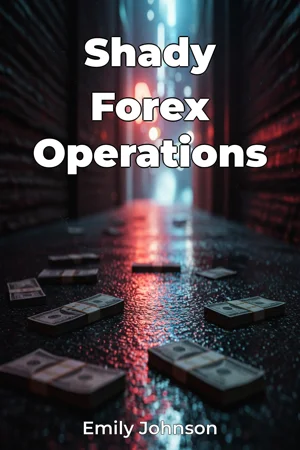
Have you ever wondered how seemingly impenetrable financial systems can be manipulated for personal gain, leaving unsuspecting individuals and institutions vulnerable? "Shady Forex Operations" delves into the clandestine world of foreign exchange (forex) manipulation, exposing the tactics, the perpetrators, and the real-world consequences of these illicit activities. This book confronts two critical topics: the mechanics of forex manipulation and the often-flawed regulatory oversight designed to prevent it. Understanding these areas is crucial because the stability of global finance hinges on the integrity of the forex market, and its exploitation can trigger economic instability and erode trust in financial institutions. The rise of electronic trading platforms and increasingly complex financial instruments has created fertile ground for manipulation. We will explore how these developments, while offering increased efficiency, have also presented new avenues for those seeking to game the system. Prior knowledge of basic financial market concepts will be helpful but not essential, as we build a foundational understanding of forex trading. Our central argument reveals that the current regulatory framework is often reactive rather than proactive, struggling to keep pace with the evolving strategies of sophisticated manipulators. This lag allows unethical actors to exploit loopholes and profit at the expense of market integrity. The book's structure begins with an introduction to the forex market and its vital role in international finance. We then dissect the primary methods of manipulation, including front-running, spoofing, and layering, using specific case studies to illustrate their application and impact. We examine the scattered audits of significant financial institutions, revealing patterns of suspicious activity that went unchecked for extended periods. The later chapters explore the limitations of existing regulatory bodies and propose concrete reforms aimed at strengthening oversight and enforcement. Finally, the conclusion emphasizes the ethical responsibilities of financial professionals and the potential for technological solutions, such as advanced data analytics and AI-powered surveillance, to detect and prevent manipulation. Evidence presented throughout the book draws from a variety of sources, including regulatory filings, court documents, leaked internal communications, and academic research. We also analyze real-world trading data to identify anomalies indicative of manipulative practices. Furthermore, the book incorporates interviews with former traders, regulatory officials, and legal experts, providing firsthand accounts of the challenges in detecting and prosecuting forex manipulation. The book's analysis extends beyond finance, connecting to fields such as criminology, examining the psychological factors that drive individuals to engage in financial crime, and political science, exploring the influence of lobbying and regulatory capture on the enforcement of financial laws. The ethical dimensions of these practices also connect directly to the field of business ethics. "Shady Forex Operations" adopts a narrative non-fiction approach, presenting complex financial concepts in an accessible and engaging manner. While maintaining factual accuracy and rigor, we aim to tell a compelling story that resonates with readers, making the inner workings of the forex market understandable to a broad audience. The primary target audience includes financial professionals, regulators, legal experts, and investors seeking a deeper understanding of the risks and realities of forex manipulation. Students in finance, economics, and law will also find this book a valuable resource. As a true crime and finance book, "Shady Forex Operations" adheres to genre conventions by presenting a detailed investigation into real-world instances of financial wrongdoing. We provide a critical analysis of the events, the individuals involved, and the systemic issues that allowed these activities to occur. The scope of this book is limited to the examination of specific types of forex manipulation. We do not delve into the broader aspects of currency trading or macroeconomic factors that influence exchange rates, focusing specifically on illegal and unethical practices. The insights offered can be applied by traders to identify and avoid becoming victims of manipulation. Legal professionals can use the information to build stronger cases against perpetrators. Regulators can leverage the analysis to improve surveillance and enforcement mechanisms and the broader public can become more financially literate. The book addresses ongoing debates about the effectiveness of current regulatory approaches and the appropriate level of intervention in financial markets. It contributes to the discussion by providing evidence-based recommendations for reform.
Have you ever wondered how seemingly impenetrable financial systems can be manipulated for personal gain, leaving unsuspecting individuals and institutions vulnerable? "Shady Forex Operations" delves into the clandestine world of foreign exchange (forex) manipulation, exposing the tactics, the perpetrators, and the real-world consequences of these illicit activities. This book confronts two critical topics: the mechanics of forex manipulation and the often-flawed regulatory oversight designed to prevent it. Understanding these areas is crucial because the stability of global finance hinges on the integrity of the forex market, and its exploitation can trigger economic instability and erode trust in financial institutions. The rise of electronic trading platforms and increasingly complex financial instruments has created fertile ground for manipulation. We will explore how these developments, while offering increased efficiency, have also presented new avenues for those seeking to game the system. Prior knowledge of basic financial market concepts will be helpful but not essential, as we build a foundational understanding of forex trading. Our central argument reveals that the current regulatory framework is often reactive rather than proactive, struggling to keep pace with the evolving strategies of sophisticated manipulators. This lag allows unethical actors to exploit loopholes and profit at the expense of market integrity. The book's structure begins with an introduction to the forex market and its vital role in international finance. We then dissect the primary methods of manipulation, including front-running, spoofing, and layering, using specific case studies to illustrate their application and impact. We examine the scattered audits of significant financial institutions, revealing patterns of suspicious activity that went unchecked for extended periods. The later chapters explore the limitations of existing regulatory bodies and propose concrete reforms aimed at strengthening oversight and enforcement. Finally, the conclusion emphasizes the ethical responsibilities of financial professionals and the potential for technological solutions, such as advanced data analytics and AI-powered surveillance, to detect and prevent manipulation. Evidence presented throughout the book draws from a variety of sources, including regulatory filings, court documents, leaked internal communications, and academic research. We also analyze real-world trading data to identify anomalies indicative of manipulative practices. Furthermore, the book incorporates interviews with former traders, regulatory officials, and legal experts, providing firsthand accounts of the challenges in detecting and prosecuting forex manipulation. The book's analysis extends beyond finance, connecting to fields such as criminology, examining the psychological factors that drive individuals to engage in financial crime, and political science, exploring the influence of lobbying and regulatory capture on the enforcement of financial laws. The ethical dimensions of these practices also connect directly to the field of business ethics. "Shady Forex Operations" adopts a narrative non-fiction approach, presenting complex financial concepts in an accessible and engaging manner. While maintaining factual accuracy and rigor, we aim to tell a compelling story that resonates with readers, making the inner workings of the forex market understandable to a broad audience. The primary target audience includes financial professionals, regulators, legal experts, and investors seeking a deeper understanding of the risks and realities of forex manipulation. Students in finance, economics, and law will also find this book a valuable resource. As a true crime and finance book, "Shady Forex Operations" adheres to genre conventions by presenting a detailed investigation into real-world instances of financial wrongdoing. We provide a critical analysis of the events, the individuals involved, and the systemic issues that allowed these activities to occur. The scope of this book is limited to the examination of specific types of forex manipulation. We do not delve into the broader aspects of currency trading or macroeconomic factors that influence exchange rates, focusing specifically on illegal and unethical practices. The insights offered can be applied by traders to identify and avoid becoming victims of manipulation. Legal professionals can use the information to build stronger cases against perpetrators. Regulators can leverage the analysis to improve surveillance and enforcement mechanisms and the broader public can become more financially literate. The book addresses ongoing debates about the effectiveness of current regulatory approaches and the appropriate level of intervention in financial markets. It contributes to the discussion by providing evidence-based recommendations for reform.
"Shady Forex Operations" exposes the hidden world of forex manipulation, a financial crime that undermines market integrity and erodes trust in financial institutions. The book reveals how tactics like spoofing and layering are used to exploit the forex market, often due to inadequate regulatory oversight. Discover how electronic trading platforms, while improving efficiency, have inadvertently created new opportunities for those seeking to game the system, highlighting the ongoing struggle to maintain ethical standards in finance. The book methodically dissects the mechanics of forex manipulation, presenting real-world case studies and drawing from regulatory filings, court documents, and interviews with industry insiders. It explores the limitations of existing regulatory bodies and proposes concrete reforms to strengthen oversight, emphasizing the ethical responsibilities of financial professionals. The narrative progresses from introducing the forex market to examining manipulation methods, analyzing institutional audits, and ultimately advocating for improved regulatory frameworks and technological solutions. The book's unique value lies in its ability to make complex financial concepts accessible to a broad audience while maintaining factual accuracy, bridging the gap between finance and true crime. By understanding the vulnerabilities in the forex market, financial professionals, regulators, and investors alike can take steps to protect themselves and contribute to a more transparent and ethical financial landscape.
Book Details
ISBN
9788233978006
Publisher
Publifye AS
Your Licenses
You don't own any licenses for this book
Purchase a license below to unlock this book and download the EPUB.
Purchase License
Select a tier to unlock this book
Need bulk licensing?
Contact us for enterprise agreements.