
About This Book
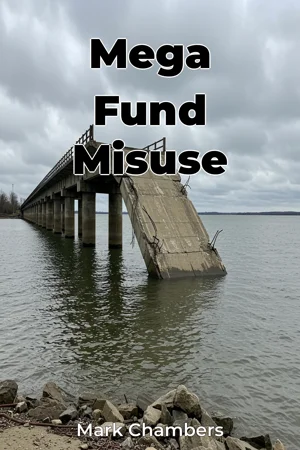
How does a nation lose billions meant to serve its people, and what are the systemic failures that allow such colossal mismanagement to occur? "Mega Fund Misuse" delves into the disturbing reality of large-scale public fund mishandling, using comprehensive audit reviews as its primary lens. This book examines the political and financial structures that enable, and often incentivize, the misuse of taxpayer money, impacting vital public services and eroding public trust. We will dissect two critical arenas: inflated contract procurement and the lack of rigorous oversight in public projects. Inflated contracting diverts funds into private hands through unjustifiable markups and bid-rigging, while absent oversight permits projects to balloon in cost and frequently fail to deliver promised benefits. These mechanisms siphon resources that could otherwise address pressing societal needs such as infrastructure improvements, education, and healthcare. Understanding these dynamics is paramount for policymakers, concerned citizens, and anyone seeking to ensure governmental accountability. The book unfolds against a backdrop of increasing public debt and declining public services across numerous developed and developing nations. It presumes a basic familiarity with governmental structures and budgetary processes but avoids technical jargon, aiming for accessibility without sacrificing analytical depth. The central argument posits that endemic corruption, weak regulatory frameworks, and a lack of transparency are the primary drivers of mega fund misuse. The book demonstrates that these problems are not isolated incidents but rather systemic issues that require comprehensive reform. This argument is crucial because it challenges the notion that individual bad actors are solely responsible, instead highlighting the need for institutional changes. "Mega Fund Misuse" is structured in three parts. Part one introduces the core concepts of public finance, auditing practices, and the nature of corruption within governmental systems. Part two meticulously analyzes several case studies of significant fund misuse, drawing directly from audit reports and investigative findings. These chapters will focus on specific examples of failed public projects and manipulated procurement processes, dissecting how funds were diverted and the consequences for the communities affected. Part three synthesizes the findings, proposing specific policy recommendations to enhance transparency, strengthen oversight mechanisms, and hold individuals accountable. The book culminates in a discussion of the long-term societal implications of unchecked fund misuse and the importance of fostering a culture of accountability. The book's evidence base relies heavily on publicly available audit reports from governmental and international organizations, investigative journalism, and academic research on corruption and public finance. Unique data sources include comparative analyses of audit outcomes across different jurisdictions and interviews with auditors and whistleblowers. This book connects to fields such as political science (examining the influence of lobbying and campaign finance), economics (analyzing the impact of corruption on economic development), and law (exploring the legal frameworks for accountability and enforcement). These interdisciplinary connections enrich the analysis and offer a more holistic understanding of the issues. What sets this book apart is its focus on the systemic nature of fund misuse, moving beyond individual cases of corruption to analyze the institutional weaknesses that enable such practices. The writing style will be professional, fact-based, and accessible to a broad audience interested in public policy and governance. "Mega Fund Misuse" is targeted towards policymakers, academics, journalists, and concerned citizens who seek a deeper understanding of the challenges of public finance and governmental accountability. This book will be valuable to them by providing a comprehensive framework for analyzing and addressing the problem of mega fund misuse. As a work of political and financial analysis, this book adheres to the conventions of rigorous research, evidence-based arguments, and objective presentation. While it acknowledges the complexities and nuances of the political landscape, it maintains a commitment to factual accuracy and unbiased analysis. The book’s scope is intentionally broad, covering various examples of fund misuse across different sectors and countries. However, it is limited by the availability of publicly accessible audit data and investigative reports. The policy recommendations presented in this book offer practical strategies for improving transparency, strengthening oversight, and holding individuals accountable for misusing public funds. These strategies can be applied by policymakers at both the national and local levels. The book addresses ongoing debates about the role of government regulation, the effectiveness of anti-corruption measures, and the balance between economic development and environmental protection.
How does a nation lose billions meant to serve its people, and what are the systemic failures that allow such colossal mismanagement to occur? "Mega Fund Misuse" delves into the disturbing reality of large-scale public fund mishandling, using comprehensive audit reviews as its primary lens. This book examines the political and financial structures that enable, and often incentivize, the misuse of taxpayer money, impacting vital public services and eroding public trust. We will dissect two critical arenas: inflated contract procurement and the lack of rigorous oversight in public projects. Inflated contracting diverts funds into private hands through unjustifiable markups and bid-rigging, while absent oversight permits projects to balloon in cost and frequently fail to deliver promised benefits. These mechanisms siphon resources that could otherwise address pressing societal needs such as infrastructure improvements, education, and healthcare. Understanding these dynamics is paramount for policymakers, concerned citizens, and anyone seeking to ensure governmental accountability. The book unfolds against a backdrop of increasing public debt and declining public services across numerous developed and developing nations. It presumes a basic familiarity with governmental structures and budgetary processes but avoids technical jargon, aiming for accessibility without sacrificing analytical depth. The central argument posits that endemic corruption, weak regulatory frameworks, and a lack of transparency are the primary drivers of mega fund misuse. The book demonstrates that these problems are not isolated incidents but rather systemic issues that require comprehensive reform. This argument is crucial because it challenges the notion that individual bad actors are solely responsible, instead highlighting the need for institutional changes. "Mega Fund Misuse" is structured in three parts. Part one introduces the core concepts of public finance, auditing practices, and the nature of corruption within governmental systems. Part two meticulously analyzes several case studies of significant fund misuse, drawing directly from audit reports and investigative findings. These chapters will focus on specific examples of failed public projects and manipulated procurement processes, dissecting how funds were diverted and the consequences for the communities affected. Part three synthesizes the findings, proposing specific policy recommendations to enhance transparency, strengthen oversight mechanisms, and hold individuals accountable. The book culminates in a discussion of the long-term societal implications of unchecked fund misuse and the importance of fostering a culture of accountability. The book's evidence base relies heavily on publicly available audit reports from governmental and international organizations, investigative journalism, and academic research on corruption and public finance. Unique data sources include comparative analyses of audit outcomes across different jurisdictions and interviews with auditors and whistleblowers. This book connects to fields such as political science (examining the influence of lobbying and campaign finance), economics (analyzing the impact of corruption on economic development), and law (exploring the legal frameworks for accountability and enforcement). These interdisciplinary connections enrich the analysis and offer a more holistic understanding of the issues. What sets this book apart is its focus on the systemic nature of fund misuse, moving beyond individual cases of corruption to analyze the institutional weaknesses that enable such practices. The writing style will be professional, fact-based, and accessible to a broad audience interested in public policy and governance. "Mega Fund Misuse" is targeted towards policymakers, academics, journalists, and concerned citizens who seek a deeper understanding of the challenges of public finance and governmental accountability. This book will be valuable to them by providing a comprehensive framework for analyzing and addressing the problem of mega fund misuse. As a work of political and financial analysis, this book adheres to the conventions of rigorous research, evidence-based arguments, and objective presentation. While it acknowledges the complexities and nuances of the political landscape, it maintains a commitment to factual accuracy and unbiased analysis. The book’s scope is intentionally broad, covering various examples of fund misuse across different sectors and countries. However, it is limited by the availability of publicly accessible audit data and investigative reports. The policy recommendations presented in this book offer practical strategies for improving transparency, strengthening oversight, and holding individuals accountable for misusing public funds. These strategies can be applied by policymakers at both the national and local levels. The book addresses ongoing debates about the role of government regulation, the effectiveness of anti-corruption measures, and the balance between economic development and environmental protection.
"Mega Fund Misuse" explores the troubling issue of large-scale mismanagement of public funds, examining the political and financial systems that allow such misuse to occur. Through comprehensive audit reviews, the book highlights inflated contract procurement and the lack of oversight in public projects as key mechanisms that divert resources away from essential public services. One striking insight is how bid-rigging and unjustifiable markups siphon funds into private hands, while another is how absent oversight leads to projects ballooning in cost without delivering promised benefits. The book argues that endemic corruption, weak regulatory frameworks, and a lack of transparency are the primary drivers of this misuse, emphasizing the need for systemic reform rather than focusing solely on individual wrongdoers. "Mega Fund Misuse" unfolds in three parts, beginning with an introduction to public finance and auditing practices, then analyzing case studies of fund misuse using audit reports and investigative findings, and concluding with policy recommendations to enhance transparency and accountability. This approach offers a comprehensive understanding of the problem and potential solutions, making it valuable for policymakers, academics, and concerned citizens alike.
Book Details
ISBN
9788233977900
Publisher
Publifye AS
Your Licenses
You don't own any licenses for this book
Purchase a license below to unlock this book and download the EPUB.
Purchase License
Select a tier to unlock this book
Need bulk licensing?
Contact us for enterprise agreements.