
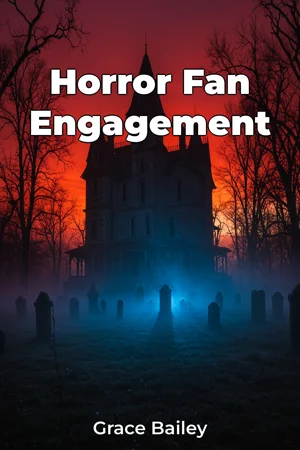
About This Book
Why does horror, a genre often relegated to the fringes of mainstream culture, command such unwavering devotion from its fans? "Horror Fan Engagement" delves into this fascinating question, exploring the unique relationship between horror media, its devoted audience, and the often-underestimated economic and social dimensions of this niche market. This book examines fan loyalty within the horror genre, analyzing consumer feedback to understand the sustained appeal and engagement that horror titles elicit. The book addresses three main topics: the psychological drivers of horror fandom, the evolving landscape of horror media consumption, and the economic impact of horror on various entertainment industries. Understanding the psychological dimension – why individuals actively seek out fear and discomfort – is crucial for deciphering the core appeal of horror. Analyzing media consumption patterns, from classic films to contemporary streaming series and video games, reveals how evolving technologies shape fan engagement. Finally, evaluating the economic footprint of horror, including box office revenues, merchandise sales, and convention attendance, highlights the genre’s significant contribution to the entertainment economy. Horror's roots lie deep within folklore, mythology, and societal anxieties. From the gothic novels of the 19th century to the slasher films of the late 20th century, the genre has consistently reflected and refracted cultural fears. A basic understanding of film theory, media studies, and social psychology will enhance the reading experience. The central argument of this book is that horror fan engagement is driven by a complex interplay of psychological needs, evolving media landscapes, and a strong sense of community. Horror provides a safe space to confront anxieties, offers opportunities for social connection through shared experiences, and, despite its often gruesome content, offers a consistent source of entertainment and emotional release for its dedicated fanbase. The book begins by introducing the core concepts of horror theory and fan studies, providing a theoretical framework for understanding fan engagement. It then develops these ideas through three major sections. The first section analyzes the psychological dimensions of horror fandom, exploring concepts such as catharsis, transgression, and the appeal of the grotesque. The second section examines the evolving landscape of horror media, focusing on the impact of streaming services, social media, and transmedia storytelling on fan engagement. The third section assesses the economic impact of horror, analyzing box office trends, merchandise sales, and the growth of horror-themed events and conventions. The book culminates in a discussion of the practical implications of these findings, offering insights for filmmakers, media producers, and marketers seeking to connect with horror fans. The research presented relies on a mixed-methods approach, combining quantitative data (such as box office figures and social media analytics) with qualitative data (such as fan interviews and textual analysis of online forums). Unique data sources include surveys conducted at horror conventions and in-depth interviews with prominent figures in the horror industry. This book intersects with several other fields of study, including psychology, sociology, and economics. The psychological analysis of fear and fascination connects to the broader study of human emotions and motivations. The sociological examination of fan communities relates to the study of social identity and group dynamics. The economic analysis of horror media contributes to the understanding of consumer behavior and market trends. This book offers a comprehensive overview of horror fan engagement, synthesizing existing research with new data and insights. It provides a nuanced understanding of the complex relationship between horror media and its dedicated audience. The tone is academic yet accessible, aiming to engage both scholars and enthusiasts. The target audience includes academics in film studies, media studies, and social sciences, as well as horror fans, filmmakers, and media professionals. The book will be valuable to anyone seeking to understand the dynamics of fan engagement in the digital age. As a work in film & television and social sciences, this book analyzes cinematic and televisual texts using sociological theory and empirical data. While the book aims to provide a broad overview of horror fan engagement, it focuses primarily on Western horror traditions. Future research could explore the nuances of horror fandom in different cultural contexts. The information in this book can be applied to various real-world contexts, such as film production, marketing, and community building. Filmmakers can use these insights to create more engaging and impactful horror movies, marketers can develop targeted advertising campaigns, and community organizers can foster a sense of belonging among horror fans. This book addresses ongoing debates about the social and psychological effects of horror media, offering a balanced and nuanced perspective.
Why does horror, a genre often relegated to the fringes of mainstream culture, command such unwavering devotion from its fans? "Horror Fan Engagement" delves into this fascinating question, exploring the unique relationship between horror media, its devoted audience, and the often-underestimated economic and social dimensions of this niche market. This book examines fan loyalty within the horror genre, analyzing consumer feedback to understand the sustained appeal and engagement that horror titles elicit. The book addresses three main topics: the psychological drivers of horror fandom, the evolving landscape of horror media consumption, and the economic impact of horror on various entertainment industries. Understanding the psychological dimension – why individuals actively seek out fear and discomfort – is crucial for deciphering the core appeal of horror. Analyzing media consumption patterns, from classic films to contemporary streaming series and video games, reveals how evolving technologies shape fan engagement. Finally, evaluating the economic footprint of horror, including box office revenues, merchandise sales, and convention attendance, highlights the genre’s significant contribution to the entertainment economy. Horror's roots lie deep within folklore, mythology, and societal anxieties. From the gothic novels of the 19th century to the slasher films of the late 20th century, the genre has consistently reflected and refracted cultural fears. A basic understanding of film theory, media studies, and social psychology will enhance the reading experience. The central argument of this book is that horror fan engagement is driven by a complex interplay of psychological needs, evolving media landscapes, and a strong sense of community. Horror provides a safe space to confront anxieties, offers opportunities for social connection through shared experiences, and, despite its often gruesome content, offers a consistent source of entertainment and emotional release for its dedicated fanbase. The book begins by introducing the core concepts of horror theory and fan studies, providing a theoretical framework for understanding fan engagement. It then develops these ideas through three major sections. The first section analyzes the psychological dimensions of horror fandom, exploring concepts such as catharsis, transgression, and the appeal of the grotesque. The second section examines the evolving landscape of horror media, focusing on the impact of streaming services, social media, and transmedia storytelling on fan engagement. The third section assesses the economic impact of horror, analyzing box office trends, merchandise sales, and the growth of horror-themed events and conventions. The book culminates in a discussion of the practical implications of these findings, offering insights for filmmakers, media producers, and marketers seeking to connect with horror fans. The research presented relies on a mixed-methods approach, combining quantitative data (such as box office figures and social media analytics) with qualitative data (such as fan interviews and textual analysis of online forums). Unique data sources include surveys conducted at horror conventions and in-depth interviews with prominent figures in the horror industry. This book intersects with several other fields of study, including psychology, sociology, and economics. The psychological analysis of fear and fascination connects to the broader study of human emotions and motivations. The sociological examination of fan communities relates to the study of social identity and group dynamics. The economic analysis of horror media contributes to the understanding of consumer behavior and market trends. This book offers a comprehensive overview of horror fan engagement, synthesizing existing research with new data and insights. It provides a nuanced understanding of the complex relationship between horror media and its dedicated audience. The tone is academic yet accessible, aiming to engage both scholars and enthusiasts. The target audience includes academics in film studies, media studies, and social sciences, as well as horror fans, filmmakers, and media professionals. The book will be valuable to anyone seeking to understand the dynamics of fan engagement in the digital age. As a work in film & television and social sciences, this book analyzes cinematic and televisual texts using sociological theory and empirical data. While the book aims to provide a broad overview of horror fan engagement, it focuses primarily on Western horror traditions. Future research could explore the nuances of horror fandom in different cultural contexts. The information in this book can be applied to various real-world contexts, such as film production, marketing, and community building. Filmmakers can use these insights to create more engaging and impactful horror movies, marketers can develop targeted advertising campaigns, and community organizers can foster a sense of belonging among horror fans. This book addresses ongoing debates about the social and psychological effects of horror media, offering a balanced and nuanced perspective.
"Horror Fan Engagement" explores the captivating bond between horror media and its passionate fans, delving into the psychology, consumption habits, and economic impact of this often-misunderstood genre. It examines why individuals are drawn to fear and discomfort, highlighting that horror provides a safe space to confront anxieties. The book also uncovers the significant economic footprint of horror, from thriving box office revenues to merchandise sales and the bustling convention circuit. The book analyzes the evolving landscape of horror media in the age of streaming and social media, showing how these platforms shape fan experiences. It uses a mixed-methods approach, combining quantitative data like box office figures with qualitative insights from fan interviews and online forums. Beginning with the core concepts of horror theory and fan studies, the book progresses through psychological dimensions, media evolution, and economic impact, offering practical insights for filmmakers, media producers, and marketers.
Book Details
ISBN
9788233977764
Publisher
Publifye AS
Your Licenses
You don't own any licenses for this book
Purchase a license below to unlock this book and download the EPUB.
Purchase License
Select a tier to unlock this book
Need bulk licensing?
Contact us for enterprise agreements.