
About This Book
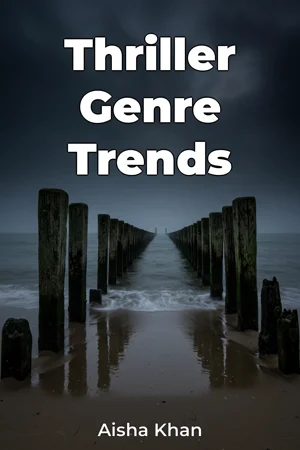
Why do readers crave the adrenaline rush of a well-crafted thriller? "Thriller Genre Trends" delves into the heart of this question, analyzing the complex relationship between suspenseful literature and its dedicated readership. We explore the dynamics of the publishing industry, dissecting sales figures and readership demographics to uncover the forces that shape the thriller landscape. This book examines the business of thrills, using statistical publishing data to reveal patterns and trends that define the genre's success. At the core of our analysis are three key areas: the evolution of thriller subgenres, the impact of author branding on sales, and the role of social media and online communities in shaping reader preferences. These topics are crucial because they offer a comprehensive understanding of how thrillers are created, marketed, and consumed in the 21st century. Understanding these dynamics is vital for publishers, authors, and even readers seeking to navigate the ever-evolving world of suspense fiction. The thriller genre’s explosive growth is best understood by examining the factors that have influenced it, from the post-war espionage boom to the rise of psychological suspense in the digital age. Key to this is understanding the changes in reader preferences that have occurred in recent years. Knowledge of basic publishing metrics, such as print runs, e-book sales, and marketing budgets, is helpful for interpreting the data presented, though all concepts will be clearly defined. Our central argument is that the thriller genre's continued success hinges on its ability to adapt to changing reader expectations and technological advancements. To support this thesis, we will examine a wide range of data points, including book sales figures from Nielsen BookScan, author profiles from publishing houses, and reader reviews from online platforms like Goodreads and Amazon. Our analysis employs statistical methods to identify significant trends and correlations within the data. The book is structured as follows: First, we introduce the key concepts and methodologies used in our analysis, establishing a framework for understanding the dynamics of the thriller market. Next, we explore the evolution of thriller subgenres, from classic espionage to contemporary psychological thrillers, examining how these shifts have impacted readership. We then analyze the role of author branding, focusing on how a strong authorial presence can drive sales and build reader loyalty. We dedicate significant space to examining the impact of social media and online communities on shaping reader preferences and driving word-of-mouth marketing. The book culminates in a discussion of the future of the thriller genre, exploring emerging trends and offering predictions about its trajectory. We conclude with practical applications for authors and publishers, including strategies for reaching new audiences and maximizing sales potential. Our research draws upon quantitative data from publishing statistics, sales figures, and reader demographics, as well as qualitative data from author interviews, reader reviews, and industry reports. We also use data analytics to identify patterns and trends that would not be apparent through traditional methods. The inclusion of data from surveys in online thriller communities, for example, provides a specific, contemporary understanding of reader preferences. This study connects to fields such as marketing, sociology, and media studies. Marketing insights help explain the success of specific author branding strategies. Sociological perspectives provide context for understanding how social trends influence reader preferences. Media studies offer a framework for analyzing the impact of online platforms on book sales and readership. This book offers a unique perspective by combining quantitative data analysis with qualitative insights from industry experts and readers. It provides a comprehensive and data-driven analysis of the thriller genre, moving beyond anecdotal evidence to offer a more nuanced understanding of its dynamics. The tone is analytical but accessible, aiming to provide a clear and engaging overview of complex data for a broad audience. The writing style is professional, precise, and grounded in evidence. The target audience includes authors, publishers, marketing professionals, and anyone interested in the business and cultural impact of the thriller genre. Readers will gain actionable insights into the market forces that shape the success of thrillers and strategies for navigating this dynamic landscape. As a study in the business of publishing and reader preferences, the book conforms to the expectations of data-driven analysis and clear presentation of statistical information. The scope of the book is limited to English-language thriller publications and readership data. While it acknowledges the global appeal of the thriller genre, it focuses primarily on the US and UK markets. The information in this book can be applied to develop targeted marketing campaigns, identify emerging reader trends, and make informed decisions about publishing strategies. Authors can use the insights to refine their branding and connect with readers more effectively. Finally, the book addresses ongoing debates in the publishing industry, such as the impact of self-publishing on traditional publishing models and the role of diversity and inclusion in the thriller genre. By examining these issues through a data-driven lens, we aim to provide a nuanced and informed perspective on these important discussions.
Why do readers crave the adrenaline rush of a well-crafted thriller? "Thriller Genre Trends" delves into the heart of this question, analyzing the complex relationship between suspenseful literature and its dedicated readership. We explore the dynamics of the publishing industry, dissecting sales figures and readership demographics to uncover the forces that shape the thriller landscape. This book examines the business of thrills, using statistical publishing data to reveal patterns and trends that define the genre's success. At the core of our analysis are three key areas: the evolution of thriller subgenres, the impact of author branding on sales, and the role of social media and online communities in shaping reader preferences. These topics are crucial because they offer a comprehensive understanding of how thrillers are created, marketed, and consumed in the 21st century. Understanding these dynamics is vital for publishers, authors, and even readers seeking to navigate the ever-evolving world of suspense fiction. The thriller genre’s explosive growth is best understood by examining the factors that have influenced it, from the post-war espionage boom to the rise of psychological suspense in the digital age. Key to this is understanding the changes in reader preferences that have occurred in recent years. Knowledge of basic publishing metrics, such as print runs, e-book sales, and marketing budgets, is helpful for interpreting the data presented, though all concepts will be clearly defined. Our central argument is that the thriller genre's continued success hinges on its ability to adapt to changing reader expectations and technological advancements. To support this thesis, we will examine a wide range of data points, including book sales figures from Nielsen BookScan, author profiles from publishing houses, and reader reviews from online platforms like Goodreads and Amazon. Our analysis employs statistical methods to identify significant trends and correlations within the data. The book is structured as follows: First, we introduce the key concepts and methodologies used in our analysis, establishing a framework for understanding the dynamics of the thriller market. Next, we explore the evolution of thriller subgenres, from classic espionage to contemporary psychological thrillers, examining how these shifts have impacted readership. We then analyze the role of author branding, focusing on how a strong authorial presence can drive sales and build reader loyalty. We dedicate significant space to examining the impact of social media and online communities on shaping reader preferences and driving word-of-mouth marketing. The book culminates in a discussion of the future of the thriller genre, exploring emerging trends and offering predictions about its trajectory. We conclude with practical applications for authors and publishers, including strategies for reaching new audiences and maximizing sales potential. Our research draws upon quantitative data from publishing statistics, sales figures, and reader demographics, as well as qualitative data from author interviews, reader reviews, and industry reports. We also use data analytics to identify patterns and trends that would not be apparent through traditional methods. The inclusion of data from surveys in online thriller communities, for example, provides a specific, contemporary understanding of reader preferences. This study connects to fields such as marketing, sociology, and media studies. Marketing insights help explain the success of specific author branding strategies. Sociological perspectives provide context for understanding how social trends influence reader preferences. Media studies offer a framework for analyzing the impact of online platforms on book sales and readership. This book offers a unique perspective by combining quantitative data analysis with qualitative insights from industry experts and readers. It provides a comprehensive and data-driven analysis of the thriller genre, moving beyond anecdotal evidence to offer a more nuanced understanding of its dynamics. The tone is analytical but accessible, aiming to provide a clear and engaging overview of complex data for a broad audience. The writing style is professional, precise, and grounded in evidence. The target audience includes authors, publishers, marketing professionals, and anyone interested in the business and cultural impact of the thriller genre. Readers will gain actionable insights into the market forces that shape the success of thrillers and strategies for navigating this dynamic landscape. As a study in the business of publishing and reader preferences, the book conforms to the expectations of data-driven analysis and clear presentation of statistical information. The scope of the book is limited to English-language thriller publications and readership data. While it acknowledges the global appeal of the thriller genre, it focuses primarily on the US and UK markets. The information in this book can be applied to develop targeted marketing campaigns, identify emerging reader trends, and make informed decisions about publishing strategies. Authors can use the insights to refine their branding and connect with readers more effectively. Finally, the book addresses ongoing debates in the publishing industry, such as the impact of self-publishing on traditional publishing models and the role of diversity and inclusion in the thriller genre. By examining these issues through a data-driven lens, we aim to provide a nuanced and informed perspective on these important discussions.
"Thriller Genre Trends" offers an in-depth exploration of the thriller genre's publishing trends, providing a data-driven analysis of what makes suspense fiction successful. It examines how evolving reader preferences and technological advancements shape the market. The book highlights the impact of author branding and the crucial role of social media and online communities in influencing book sales and engaging readers. Discover how the thriller genre's expansion is tied to elements such as the rise of psychological suspense in the digital era. This study uniquely combines quantitative data analysis with qualitative insights from publishing experts and reader reviews, offering a nuanced view of the thriller market. By dissecting publishing data and sales figures, it uncovers patterns that define the genre's triumphs. The book progresses from introducing key concepts and methodologies to exploring the evolution of thriller subgenres and the impact of author branding. It concludes by discussing the future of the thriller genre and offering practical applications for authors and publishers, including strategies for reaching new audiences.
Book Details
ISBN
9788233977665
Publisher
Publifye AS
Your Licenses
You don't own any licenses for this book
Purchase a license below to unlock this book and download the EPUB.
Purchase License
Select a tier to unlock this book
Need bulk licensing?
Contact us for enterprise agreements.