
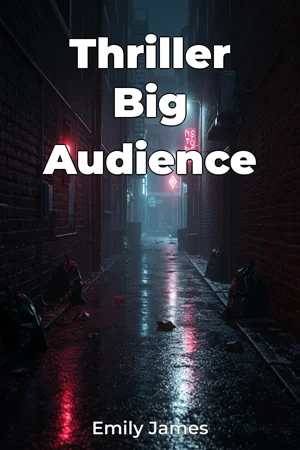
About This Book
Why do thriller novels consistently dominate bestseller lists, captivating millions with their relentless pacing and intricate plots? This book, "Thriller Big Audience," dissects the anatomy of the modern thriller, exploring the literary techniques that fuel its widespread appeal and examining its cultural impact. It is simultaneously a study of a popular genre and an examination of the audiences that consume it, analyzed through the lenses of literary criticism, film and television studies, and the broader field of media theory. The core of this analysis rests on three key pillars: the narrative mechanics of thrillers, the psychological drivers behind their popularity, and the evolution of the genre in response to societal shifts and the rise of visual media. We will delve into the specific elements that define a thriller, such as suspense building, plot twists, and character archetypes, assessing how authors manipulate these devices to maintain reader engagement. Understanding the psychology of thriller readers is crucial; the book will explore how these narratives tap into primal fears, anxieties, and desires, offering both escapism and a form of catharsis. Finally, we will trace the historical trajectory of the thriller, noting its adaptation across different media, especially film and television, and highlighting the feedback loop between these formats and literary trends. While this isn't a history of the thriller, it does provide necessary background. From its roots in gothic novels and early crime fiction to its modern iterations, the thriller has constantly evolved, reflecting changing social anxieties and technological advancements. Familiarity with basic concepts of narrative structure and literary theory will enhance the reader's understanding, but the book is written to be accessible to a broad audience. The central argument of "Thriller Big Audience" asserts that the thriller’s enduring popularity stems from its unique ability to blend escapist entertainment with a reflection of contemporary anxieties. The genre doesn't merely provide thrills; it offers a framework for understanding and processing complex issues, albeit often in a heightened and dramatized form. This book aims to demonstrate how the genre's success reflects a potent combination of skillfully crafted narratives, psychological resonance, and cultural relevance. The book is structured in three parts. The first part introduces the defining characteristics of the thriller genre, examining its common tropes, narrative structures, and thematic concerns. The second part delves into the psychology of thriller readers, exploring the reasons why they are drawn to these narratives and how the genre fulfills specific emotional needs. The third part analyzes the relationship between thriller novels and their adaptations in film and television, demonstrating the reciprocal influence between these media and the impact on audience expectations. The conclusion synthesizes these analyses, offering a comprehensive framework for understanding the thriller’s ongoing relevance in the 21st century. Evidence will be drawn from a variety of sources, including close readings of popular thriller novels, audience reception studies, and critical analyses of film and television adaptations. Bestseller lists from various periods will be analyzed to identify trends and patterns in reader preferences, and author interviews will offer insights into the creative process behind successful thriller novels. This book exists at the intersection of literary studies, media studies, and psychology. It also touches upon sociological aspects relating to cultural reflection and societal trends. It provides new perspectives that may inspire other books on the subject. The approach is to combine rigorous academic analysis with accessible language, making the insights relevant to both scholars and enthusiasts of the thriller genre. The writing style aims for clarity and precision, avoiding jargon while maintaining intellectual depth. This book is targeted towards readers interested in popular culture, genre fiction, and the psychology of entertainment. It will appeal to students of literature, film, and media studies, as well as general readers seeking a deeper understanding of the thriller genre. The scope of the book is limited to contemporary thrillers and their adaptations, focusing on works published within the last few decades. While historical context is provided, the primary emphasis is on understanding the current landscape of the genre. The insights presented in this book can be applied by writers seeking to craft successful thrillers, by readers wanting to engage with the genre in a more informed way, and by educators seeking to incorporate popular fiction into their curricula. Current debates surrounding representation and cultural appropriation within the thriller genre are considered.
Why do thriller novels consistently dominate bestseller lists, captivating millions with their relentless pacing and intricate plots? This book, "Thriller Big Audience," dissects the anatomy of the modern thriller, exploring the literary techniques that fuel its widespread appeal and examining its cultural impact. It is simultaneously a study of a popular genre and an examination of the audiences that consume it, analyzed through the lenses of literary criticism, film and television studies, and the broader field of media theory. The core of this analysis rests on three key pillars: the narrative mechanics of thrillers, the psychological drivers behind their popularity, and the evolution of the genre in response to societal shifts and the rise of visual media. We will delve into the specific elements that define a thriller, such as suspense building, plot twists, and character archetypes, assessing how authors manipulate these devices to maintain reader engagement. Understanding the psychology of thriller readers is crucial; the book will explore how these narratives tap into primal fears, anxieties, and desires, offering both escapism and a form of catharsis. Finally, we will trace the historical trajectory of the thriller, noting its adaptation across different media, especially film and television, and highlighting the feedback loop between these formats and literary trends. While this isn't a history of the thriller, it does provide necessary background. From its roots in gothic novels and early crime fiction to its modern iterations, the thriller has constantly evolved, reflecting changing social anxieties and technological advancements. Familiarity with basic concepts of narrative structure and literary theory will enhance the reader's understanding, but the book is written to be accessible to a broad audience. The central argument of "Thriller Big Audience" asserts that the thriller’s enduring popularity stems from its unique ability to blend escapist entertainment with a reflection of contemporary anxieties. The genre doesn't merely provide thrills; it offers a framework for understanding and processing complex issues, albeit often in a heightened and dramatized form. This book aims to demonstrate how the genre's success reflects a potent combination of skillfully crafted narratives, psychological resonance, and cultural relevance. The book is structured in three parts. The first part introduces the defining characteristics of the thriller genre, examining its common tropes, narrative structures, and thematic concerns. The second part delves into the psychology of thriller readers, exploring the reasons why they are drawn to these narratives and how the genre fulfills specific emotional needs. The third part analyzes the relationship between thriller novels and their adaptations in film and television, demonstrating the reciprocal influence between these media and the impact on audience expectations. The conclusion synthesizes these analyses, offering a comprehensive framework for understanding the thriller’s ongoing relevance in the 21st century. Evidence will be drawn from a variety of sources, including close readings of popular thriller novels, audience reception studies, and critical analyses of film and television adaptations. Bestseller lists from various periods will be analyzed to identify trends and patterns in reader preferences, and author interviews will offer insights into the creative process behind successful thriller novels. This book exists at the intersection of literary studies, media studies, and psychology. It also touches upon sociological aspects relating to cultural reflection and societal trends. It provides new perspectives that may inspire other books on the subject. The approach is to combine rigorous academic analysis with accessible language, making the insights relevant to both scholars and enthusiasts of the thriller genre. The writing style aims for clarity and precision, avoiding jargon while maintaining intellectual depth. This book is targeted towards readers interested in popular culture, genre fiction, and the psychology of entertainment. It will appeal to students of literature, film, and media studies, as well as general readers seeking a deeper understanding of the thriller genre. The scope of the book is limited to contemporary thrillers and their adaptations, focusing on works published within the last few decades. While historical context is provided, the primary emphasis is on understanding the current landscape of the genre. The insights presented in this book can be applied by writers seeking to craft successful thrillers, by readers wanting to engage with the genre in a more informed way, and by educators seeking to incorporate popular fiction into their curricula. Current debates surrounding representation and cultural appropriation within the thriller genre are considered.
"Thriller Big Audience" explores the enduring appeal of the thriller genre by dissecting its narrative mechanics, psychological resonance, and cultural impact. This literary criticism examines how authors use suspense, plot twists, and character archetypes to captivate readers. The book also delves into the psychology of readers, revealing how thrillers tap into primal fears and anxieties, offering both escapism and catharsis. Did you know thrillers consistently dominate bestseller lists and have roots in gothic novels and early crime fiction? The approach combines literary, film, and media studies to analyze the thriller's evolution and adaptation across various media. Beginning with an introduction to the genre's characteristics, the book progresses to exploring the psychology of thriller readers. It then analyzes the relationship between thriller novels and their film and television adaptations. Ultimately, the book argues that the thriller's popularity stems from its ability to blend entertainment with reflections of contemporary anxieties, offering a framework for understanding complex issues.
Book Details
ISBN
9788233977603
Publisher
Publifye AS
Your Licenses
You don't own any licenses for this book
Purchase a license below to unlock this book and download the EPUB.
Purchase License
Select a tier to unlock this book
Need bulk licensing?
Contact us for enterprise agreements.