
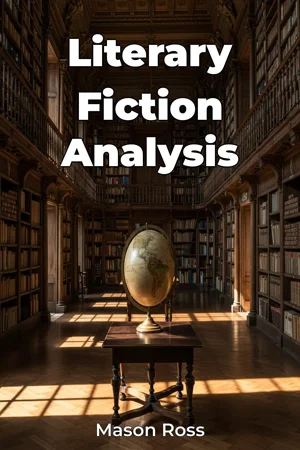
About This Book
Why does literary fiction persist in a world increasingly dominated by visual media and genre entertainment? This book, *Literary Fiction Analysis*, delves into the multifaceted world of literary fiction, examining its readership, market position, and cultural impact through a combination of academic research and sales data. We explore the enduring appeal of literary fiction, challenging conventional assumptions about its perceived decline and uncovering the dynamics that sustain its significance in contemporary society. Our analysis centers on three key pillars: the demographic and psychographic characteristics of the literary fiction reader, the economic structures that support its production and distribution, and the broader cultural conversations it both reflects and shapes. We investigate who reads literary fiction, what motivates their reading choices, and how their engagement with these texts contributes to their understanding of themselves and the world around them. We also examine the role of publishers, booksellers, and literary prizes in shaping the market for literary fiction, analyzing sales trends and identifying the factors that contribute to a book's success or obscurity. Finally, we consider the ways in which literary fiction engages with pressing social and political issues, exploring its capacity to foster empathy, challenge dominant narratives, and promote critical thinking. To provide context, the book traces the historical evolution of literary fiction, differentiating it from genre fiction and examining the shifting criteria used to define it. The book also acknowledges the ongoing debates surrounding the canon, exploring questions of representation, inclusivity, and the politics of taste. The central argument of *Literary Fiction Analysis* is that despite facing numerous challenges in a rapidly changing media landscape, literary fiction continues to hold a vital position in our cultural ecosystem. It offers a unique form of intellectual and emotional engagement that cannot be easily replicated by other forms of entertainment or information. The book’s structure unfolds in a logical progression: first, defining the parameters of literary fiction and its historical context; second, analyzing the readership and market forces that shape its reception; and third, exploring its cultural impact and potential for social change. The culmination of the argument points to the enduring value of literary fiction as a form of art that enriches our lives and expands our understanding of the human condition. The book draws upon a diverse range of evidence, including sales figures from Nielsen BookScan, readership surveys conducted by various research institutions, and textual analysis of critically acclaimed and commercially successful literary fiction. Market reports and publisher data provide an economic underpinning to the analysis, while qualitative research, including reader interviews and focus groups, offer insights into the lived experiences of literary fiction readers. This work connects to other fields of study such as sociology, economics, cultural studies, and media studies. Sociological perspectives help us understand the social and cultural factors that influence reading habits. Economic analysis provides a framework for understanding the market dynamics of the publishing industry. Cultural studies offers tools for analyzing the ways in which literary fiction reflects and shapes cultural values. *Literary Fiction Analysis* adopts an academic tone, presenting research findings and theoretical arguments in a clear, concise, and accessible manner. The writing style is scholarly but avoids unnecessary jargon, making it suitable for a broad audience of students, researchers, and anyone interested in the world of books. The target audience includes undergraduate and graduate students in literature, sociology, and cultural studies, as well as researchers, publishing professionals, and avid readers of literary fiction. The book would be valuable to anyone seeking a deeper understanding of the role of literary fiction in contemporary society. Given the scope of the book, the focus is primarily on Anglophone literary fiction published in the 21st century, although relevant historical context and examples from other literary traditions are also discussed. While we acknowledge the growing importance of digital platforms for reading and book consumption, our primary focus remains on the print market. Ultimately, the information aims to equip readers with a critical understanding of the challenges and opportunities facing literary fiction in the digital age. It offers insights that can be applied to various fields, including publishing, education, and cultural policy. By analyzing the readership, market position, and cultural impact of literary fiction, this book contributes to the ongoing debate about the value of art in a rapidly changing world.
Why does literary fiction persist in a world increasingly dominated by visual media and genre entertainment? This book, *Literary Fiction Analysis*, delves into the multifaceted world of literary fiction, examining its readership, market position, and cultural impact through a combination of academic research and sales data. We explore the enduring appeal of literary fiction, challenging conventional assumptions about its perceived decline and uncovering the dynamics that sustain its significance in contemporary society. Our analysis centers on three key pillars: the demographic and psychographic characteristics of the literary fiction reader, the economic structures that support its production and distribution, and the broader cultural conversations it both reflects and shapes. We investigate who reads literary fiction, what motivates their reading choices, and how their engagement with these texts contributes to their understanding of themselves and the world around them. We also examine the role of publishers, booksellers, and literary prizes in shaping the market for literary fiction, analyzing sales trends and identifying the factors that contribute to a book's success or obscurity. Finally, we consider the ways in which literary fiction engages with pressing social and political issues, exploring its capacity to foster empathy, challenge dominant narratives, and promote critical thinking. To provide context, the book traces the historical evolution of literary fiction, differentiating it from genre fiction and examining the shifting criteria used to define it. The book also acknowledges the ongoing debates surrounding the canon, exploring questions of representation, inclusivity, and the politics of taste. The central argument of *Literary Fiction Analysis* is that despite facing numerous challenges in a rapidly changing media landscape, literary fiction continues to hold a vital position in our cultural ecosystem. It offers a unique form of intellectual and emotional engagement that cannot be easily replicated by other forms of entertainment or information. The book’s structure unfolds in a logical progression: first, defining the parameters of literary fiction and its historical context; second, analyzing the readership and market forces that shape its reception; and third, exploring its cultural impact and potential for social change. The culmination of the argument points to the enduring value of literary fiction as a form of art that enriches our lives and expands our understanding of the human condition. The book draws upon a diverse range of evidence, including sales figures from Nielsen BookScan, readership surveys conducted by various research institutions, and textual analysis of critically acclaimed and commercially successful literary fiction. Market reports and publisher data provide an economic underpinning to the analysis, while qualitative research, including reader interviews and focus groups, offer insights into the lived experiences of literary fiction readers. This work connects to other fields of study such as sociology, economics, cultural studies, and media studies. Sociological perspectives help us understand the social and cultural factors that influence reading habits. Economic analysis provides a framework for understanding the market dynamics of the publishing industry. Cultural studies offers tools for analyzing the ways in which literary fiction reflects and shapes cultural values. *Literary Fiction Analysis* adopts an academic tone, presenting research findings and theoretical arguments in a clear, concise, and accessible manner. The writing style is scholarly but avoids unnecessary jargon, making it suitable for a broad audience of students, researchers, and anyone interested in the world of books. The target audience includes undergraduate and graduate students in literature, sociology, and cultural studies, as well as researchers, publishing professionals, and avid readers of literary fiction. The book would be valuable to anyone seeking a deeper understanding of the role of literary fiction in contemporary society. Given the scope of the book, the focus is primarily on Anglophone literary fiction published in the 21st century, although relevant historical context and examples from other literary traditions are also discussed. While we acknowledge the growing importance of digital platforms for reading and book consumption, our primary focus remains on the print market. Ultimately, the information aims to equip readers with a critical understanding of the challenges and opportunities facing literary fiction in the digital age. It offers insights that can be applied to various fields, including publishing, education, and cultural policy. By analyzing the readership, market position, and cultural impact of literary fiction, this book contributes to the ongoing debate about the value of art in a rapidly changing world.
Literary fiction's endurance in the face of visual media dominance is the central question explored in *Literary Fiction Analysis*. This book examines the cultural impact, readership, and market position of literary fiction, challenging assumptions about its decline. The book uncovers the motivations behind readers' choices and how literary fiction shapes their understanding of the world. It also investigates the roles of publishers, booksellers, and literary prizes in the book market, and how literary fiction engages with social and political issues. The analysis is structured around three pillars: reader demographics, economic structures, and cultural conversations. Drawing on sales data, readership surveys, and textual analysis, the book provides an academic yet accessible exploration of 21st-century literature, particularly Anglophone works. It traces the historical evolution of literary fiction, distinguishing it from genre fiction. The book progresses logically, first defining literary fiction, then analyzing its readership and market forces, and finally exploring its cultural impact and potential for social change. The book argues that literary fiction retains a vital position in our cultural ecosystem by offering unique intellectual and emotional engagement. Making use of diverse evidence from market reports to reader interviews, the book connects to fields like sociology and cultural studies to provide a critical understanding of literary fiction's challenges and opportunities in the digital age. This deep dive into fiction analysis makes the book valuable to students, researchers, publishing professionals, and avid readers alike.
Book Details
ISBN
9788233977269
Publisher
Publifye AS
Your Licenses
You don't own any licenses for this book
Purchase a license below to unlock this book and download the EPUB.
Purchase License
Select a tier to unlock this book
Need bulk licensing?
Contact us for enterprise agreements.