
About This Book
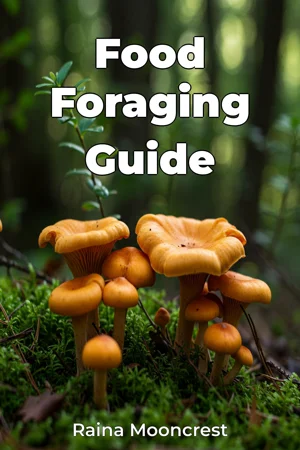
Have you ever considered the potential of your local environment as a source of sustenance? "Food Foraging Guide" provides a comprehensive exploration into the identification, safe harvesting, and utilization of edible plants and insects, firmly grounded in principles of science, biology, and respect for nature. This book addresses the critical need for accessible knowledge regarding sustainable foraging practices, promoting a deeper connection with the natural world and offering practical skills for self-reliance. The book is structured around three central themes. First, detailed botanical and entomological identification, allowing readers to distinguish between safe and harmful species within their specific geographic location. Second, a comprehensive guide to safe harvesting techniques, emphasizing responsible foraging to minimize environmental impact and ensure the continued availability of resources. Third, practical applications of foraged foods, including preparation methods, nutritional benefits, and potential medicinal properties, bridging the gap between nature and the plate. The content relies heavily on established scientific literature in botany, entomology, and toxicology, cross-referenced with regional flora and fauna lists. Detailed descriptions and high-resolution photographs aid in accurate identification. The book also incorporates traditional ecological knowledge from indigenous communities, contextualized within a modern scientific framework. This interdisciplinary approach integrates scientific rigor with time-tested practices. The central argument is that responsible foraging promotes environmental stewardship and expands our understanding of natural ecosystems. By educating individuals about sustainable harvesting methods, the book aims to foster a greater appreciation for biodiversity and discourage destructive practices. The text emphasizes ethical consideration, such as only taking what is needed, avoiding endangered species, and minimizing habitat disturbance. "Food Foraging Guide" begins with an introduction to foraging ethics and legal considerations, including permits and restrictions in specific areas. It then delves into plant and insect identification, organizing information geographically. Each entry includes detailed descriptions, habitat information, potential look-alikes, and safety precautions. Subsequent chapters focus on harvesting techniques, processing methods, and recipes, with a final chapter synthesizing the information and promoting a holistic understanding of sustainable foraging. The book meticulously avoids promoting unsustainable practices and focuses on creating a positive impact through awareness. The information within connects directly to environmental science, nutrition, and public health. It offers individuals techniques for procuring nutritious food directly from their surroundings, while simultaneously understanding the environmental consequences of their actions. The book's writing style is accessible and informative. Complex scientific concepts are described in plain language, without sacrificing accuracy or depth. The tone is encouraging, fostering a sense of wonder and respect for the natural world. The target audience includes nature enthusiasts, hikers, campers, survivalists, gardeners, and anyone interested in learning more about edible plants and insects. The knowledge presented is valuable for both beginners and experienced foragers seeking to refine their skills and deepen their understanding of ethical foraging practices. As a field guide, "Food Foraging Guide" emphasizes practical application and immediate usability. While offering a broad overview of edible species, it acknowledges inherent limitations. The guide is not a substitute for expert consultation and stresses the importance of cross-referencing information and exercising caution when identifying and consuming wild foods. Further, the book acknowledges the regional specificity inherent in foraging. It presents methodologies to adapt the principals within to new locales, but explicitly mentions that the user must seek out and utilize local flora and fauna lists for accurate identification of species. Ultimately, this book is a call to action, encouraging readers to engage with their local environment in a responsible and sustainable manner. While foraging can be a rewarding experience, it is crucial to approach it with knowledge, respect, and a commitment to preserving the natural world for future generations.
Have you ever considered the potential of your local environment as a source of sustenance? "Food Foraging Guide" provides a comprehensive exploration into the identification, safe harvesting, and utilization of edible plants and insects, firmly grounded in principles of science, biology, and respect for nature. This book addresses the critical need for accessible knowledge regarding sustainable foraging practices, promoting a deeper connection with the natural world and offering practical skills for self-reliance. The book is structured around three central themes. First, detailed botanical and entomological identification, allowing readers to distinguish between safe and harmful species within their specific geographic location. Second, a comprehensive guide to safe harvesting techniques, emphasizing responsible foraging to minimize environmental impact and ensure the continued availability of resources. Third, practical applications of foraged foods, including preparation methods, nutritional benefits, and potential medicinal properties, bridging the gap between nature and the plate. The content relies heavily on established scientific literature in botany, entomology, and toxicology, cross-referenced with regional flora and fauna lists. Detailed descriptions and high-resolution photographs aid in accurate identification. The book also incorporates traditional ecological knowledge from indigenous communities, contextualized within a modern scientific framework. This interdisciplinary approach integrates scientific rigor with time-tested practices. The central argument is that responsible foraging promotes environmental stewardship and expands our understanding of natural ecosystems. By educating individuals about sustainable harvesting methods, the book aims to foster a greater appreciation for biodiversity and discourage destructive practices. The text emphasizes ethical consideration, such as only taking what is needed, avoiding endangered species, and minimizing habitat disturbance. "Food Foraging Guide" begins with an introduction to foraging ethics and legal considerations, including permits and restrictions in specific areas. It then delves into plant and insect identification, organizing information geographically. Each entry includes detailed descriptions, habitat information, potential look-alikes, and safety precautions. Subsequent chapters focus on harvesting techniques, processing methods, and recipes, with a final chapter synthesizing the information and promoting a holistic understanding of sustainable foraging. The book meticulously avoids promoting unsustainable practices and focuses on creating a positive impact through awareness. The information within connects directly to environmental science, nutrition, and public health. It offers individuals techniques for procuring nutritious food directly from their surroundings, while simultaneously understanding the environmental consequences of their actions. The book's writing style is accessible and informative. Complex scientific concepts are described in plain language, without sacrificing accuracy or depth. The tone is encouraging, fostering a sense of wonder and respect for the natural world. The target audience includes nature enthusiasts, hikers, campers, survivalists, gardeners, and anyone interested in learning more about edible plants and insects. The knowledge presented is valuable for both beginners and experienced foragers seeking to refine their skills and deepen their understanding of ethical foraging practices. As a field guide, "Food Foraging Guide" emphasizes practical application and immediate usability. While offering a broad overview of edible species, it acknowledges inherent limitations. The guide is not a substitute for expert consultation and stresses the importance of cross-referencing information and exercising caution when identifying and consuming wild foods. Further, the book acknowledges the regional specificity inherent in foraging. It presents methodologies to adapt the principals within to new locales, but explicitly mentions that the user must seek out and utilize local flora and fauna lists for accurate identification of species. Ultimately, this book is a call to action, encouraging readers to engage with their local environment in a responsible and sustainable manner. While foraging can be a rewarding experience, it is crucial to approach it with knowledge, respect, and a commitment to preserving the natural world for future generations.
"Food Foraging Guide" offers a detailed exploration into the world of edible plants and insects, emphasizing sustainable practices rooted in science and respect for nature. This guide addresses the growing interest in self-reliance and environmental stewardship by providing accessible knowledge on how to safely identify, harvest, and utilize resources found in your local environment. Interestingly, many edible insects, like crickets, offer complete proteins comparable to beef with a significantly lower environmental impact, and some common "weeds" are more nutritious than many cultivated vegetables. The book uniquely blends scientific rigor with traditional ecological knowledge, guiding readers through botanical and entomological identification using high-resolution photographs and detailed descriptions. It progresses from foraging ethics and legal considerations to plant and insect identification, organized geographically, before delving into harvesting techniques, processing methods, and recipes. This approach ensures readers not only learn what to forage but also how to do so responsibly, promoting biodiversity and discouraging destructive practices.
Book Details
ISBN
9788233977221
Publisher
Publifye AS
Your Licenses
You don't own any licenses for this book
Purchase a license below to unlock this book and download the EPUB.
Purchase License
Select a tier to unlock this book
Need bulk licensing?
Contact us for enterprise agreements.